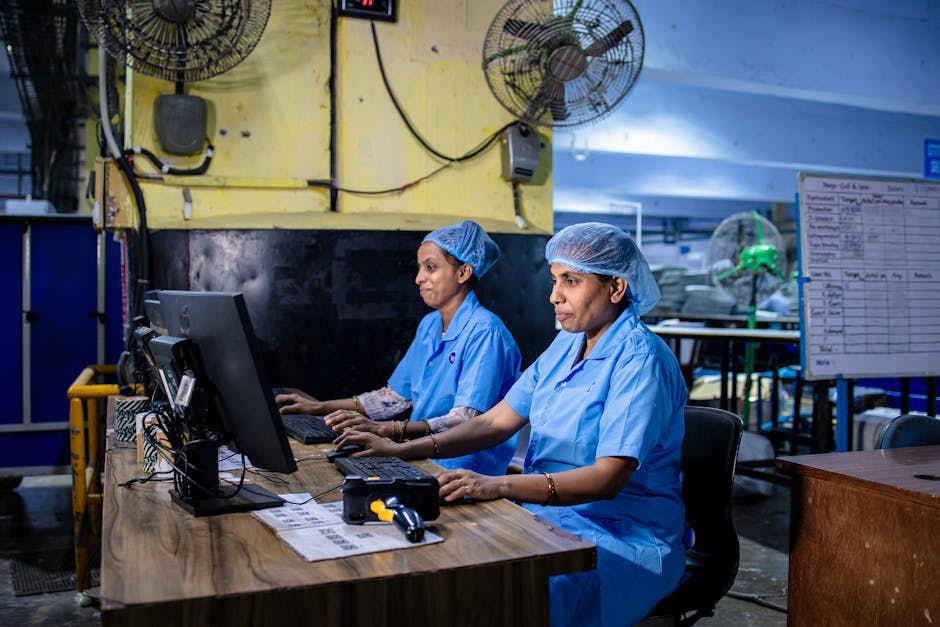
- India’s factory workers are protesting for higher wages due to the rising cost of living.
- The global economy’s instability,instability due to the Iran war is exacerbating the situation in India.
- The protests in Noida are a symptom of a broader issue – the gap between wages and the cost of living.
- Workers in India are fighting for a decent standard of living eroded by inflation.
- The Noida protests are a microcosm of similar worker movements worldwide against economic pressures.
India has witnessed a significant escalation in worker unrest as factory workers in the national capital’s suburb of Noida protested for higher wages, prompting police to fire tear gas to disperse the crowd. This incident highlights the growing discontent among workers who are struggling to cope with the rising cost of living. With the global economy facing instability due to the Iran war, the situation in India serves as a stark reminder of the far-reaching consequences of geopolitical conflicts on local economies and populations.
Background to the Unrest

The current wave of protests in India’s industrial sector is not an isolated incident but rather a symptom of a broader issue – the increasing gap between wages and the cost of living. As the global economy continues to feel the pinch of the Iran war, countries like India, with its large and growing population, are particularly vulnerable to fluctuations in food and fuel prices. The workers in Noida, who are demanding a significant hike in their wages, are essentially fighting for a decent standard of living that has been eroded by inflation. This struggle is reminiscent of similar movements in other parts of the world where workers are pushing back against the economic pressures that threaten their livelihoods.
The Noida Protests: A Microcosm of Larger Issues

The protests in Noida involved thousands of factory workers who took to the streets, bringing traffic to a standstill and disrupting industrial activity in the area. The workers, employed in various sectors including textiles and manufacturing, were met with a heavy police presence. The situation turned violent when police resorted to tear gas to control the crowd, leading to injuries and arrests. The incident has sparked outrage among worker unions and rights groups, who have condemned the police action and reiterated their demand for better wages and working conditions. Key figures involved in the negotiations include union leaders and government representatives, who are under pressure to find a solution that balances the workers’ demands with the economic realities facing the industry.
Analyzing the Causes and Effects
The root cause of the unrest in Noida and similar industrial hubs in India can be traced back to the economic fallout of the Iran war, which has led to a spike in prices of essential commodities. As India relies heavily on imports for its energy needs, the increase in global oil prices has had a cascading effect on the domestic economy, contributing to higher production costs and reduced purchasing power for the average consumer. Experts point out that the government’s response to the situation will be crucial in determining the outcome of the protests. While some advocate for a more nuanced approach that involves dialogue and economic incentives, others believe that the government must take a firm stance to maintain law and order and prevent the disruption of economic activity.
Implications for the Economy and Society
The implications of the worker unrest in India extend beyond the immediate industrial sector, potentially affecting the country’s economic growth and social stability. As a significant portion of India’s workforce is employed in the informal sector or in industries with low wage structures, any increase in wages could have a positive impact on consumer spending and, by extension, economic growth. However, the challenge for policymakers lies in balancing these demands with the need to maintain competitiveness in the global market and attract foreign investment. The situation also underscores the importance of implementing policies that protect workers’ rights and ensure a minimum standard of living, thereby reducing the likelihood of such conflicts in the future.
Expert Perspectives
Experts offer contrasting viewpoints on how the situation should be handled, reflecting the complexity of the issue. Some economists argue that the government should prioritize economic stability and avoid making concessions that could set a precedent for future demands. On the other hand, social activists and worker union leaders emphasize the need for a more empathetic approach, highlighting the plight of workers who are struggling to make ends meet. They argue that the government has a responsibility to ensure that economic growth benefits all segments of society, not just the affluent few.
Looking forward, the key question is how the Indian government will navigate this challenging situation. Will it opt for a short-term solution that may placate the workers but could have long-term economic implications, or will it seize the opportunity to implement more profound reforms that address the underlying issues of wage disparity and economic inequality? The answer to this question will not only determine the fate of the workers in Noida but also have broader implications for India’s economic and social trajectory in the years to come.