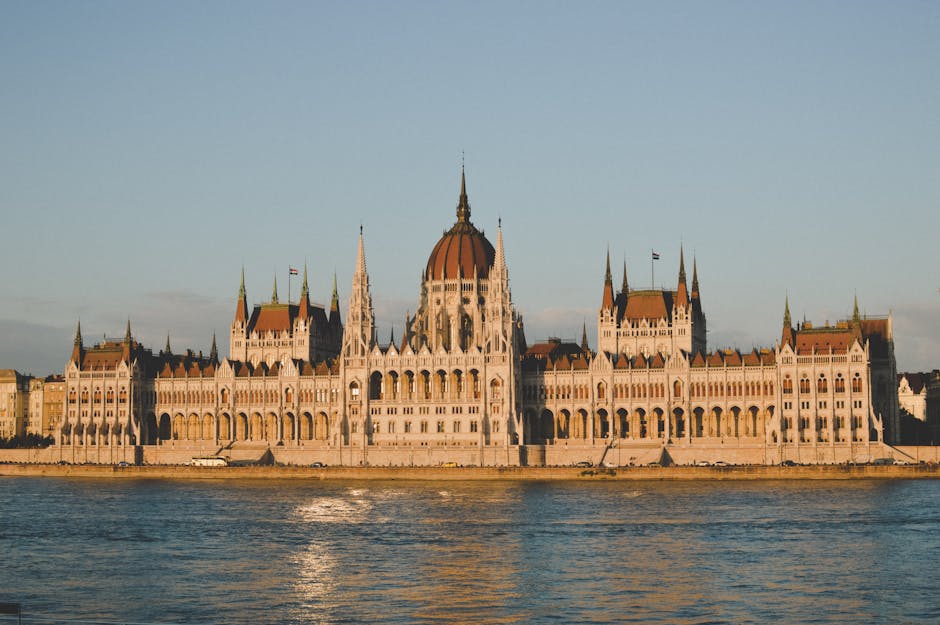
- Hungary’s parliamentary election marked the end of Prime Minister Viktor Orban’s 12-year rule, paving the way for opposition leader Peter Magyar to form a new government.
- The election result was seen as a major upset, given Orban’s dominance of Hungarian politics for over a decade.
- The opposition campaigned on a platform of restoring democratic values, promoting economic growth, and improving living standards for all Hungarians.
- The international community will be watching closely to see how Magyar’s government navigates the complex web of relationships with the EU and other global partners.
- The election outcome has sent ripples throughout the international community, with many world leaders watching closely as Hungary navigates this significant shift in power.
In a shocking turn of events, Hungarian Prime Minister Viktor Orban has conceded defeat in the country’s parliamentary election, marking the end of his 12-year rule. According to early results, Orban’s Fidesz party has lost its parliamentary majority, paving the way for opposition leader Peter Magyar to form a new government. This unexpected outcome has sent ripples throughout the international community, with many world leaders watching closely as Hungary navigates this significant shift in power. The election result is seen as a major upset, given Orban’s dominance of Hungarian politics for over a decade.
Background to the Election

The Hungarian parliamentary election was widely seen as a referendum on Orban’s authoritarian style of governance and his handling of the economy. In recent years, Orban’s government has faced criticism for its erosion of democratic norms, restriction of civil liberties, and management of the economy. The opposition, led by Peter Magyar, campaigned on a platform of restoring democratic values, promoting economic growth, and improving living standards for all Hungarians. With the election outcome, it is clear that a significant portion of the Hungarian electorate has rejected Orban’s vision for the country and is seeking change. The international community will be watching closely to see how Magyar’s government navigates the complex web of relationships with the EU and other global partners.
The Election Result

According to the preliminary results, Peter Magyar’s opposition coalition has secured a majority of seats in the Hungarian parliament, ending Fidesz’s 12-year grip on power. The exact breakdown of the results is still emerging, but it is clear that Magyar’s coalition has performed strongly across the country, including in traditional Fidesz strongholds. Orban’s concession speech was gracious, with the outgoing prime minister acknowledging the will of the Hungarian people and pledging to support a smooth transition of power. As the dust settles, attention will turn to the formation of a new government and the policy priorities of the incoming administration. Magyar has already signaled his intention to restore Hungary’s relationships with the EU and to promote economic growth through increased investment and trade.
Analysis of the Outcome
The election result has significant implications for Hungary’s domestic and foreign policy. Orban’s defeat marks a major shift away from his nationalist and authoritarian agenda, which had led to tensions with the EU and other international partners. Magyar’s victory is seen as an opportunity for Hungary to re-engage with the EU and to promote a more liberal and democratic agenda. However, the road ahead will not be easy, with significant challenges facing the new government, including a struggling economy and a deeply divided society. Experts point to the need for Magyar’s government to balance the competing demands of different stakeholders, including the EU, international investors, and domestic interest groups. The new government will also need to address the legacy of Orban’s rule, including the erosion of democratic norms and the restriction of civil liberties.
Implications for Hungary and the Region
The election outcome has significant implications for Hungary and the wider region. Magyar’s victory is seen as a boost to democratic forces in Central and Eastern Europe, where authoritarianism has been on the rise in recent years. The result is also likely to be welcomed by the EU, which had grown increasingly frustrated with Orban’s government over issues such as migration, judicial independence, and academic freedom. However, the implications of the election result go beyond Hungary’s borders, with potential consequences for the broader region. The election outcome may embolden opposition forces in neighboring countries, such as Poland and Slovakia, where authoritarian tendencies have also been on the rise. As the region navigates this new landscape, it is clear that the election result in Hungary will have far-reaching consequences for democracy, stability, and prosperity in Central and Eastern Europe.
Expert Perspectives
Experts are divided on the implications of the election result, with some hailing it as a major victory for democracy and others warning of the challenges ahead. According to one analyst, “The election result marks a significant shift in Hungarian politics, with the potential to restore democratic norms and promote economic growth.” However, another expert cautioned that “the road ahead will be difficult, with significant challenges facing the new government, including a struggling economy and a deeply divided society.” As the situation continues to evolve, it is clear that the international community will be watching closely to see how Magyar’s government navigates the complex web of relationships with the EU and other global partners.
Looking ahead, the key question is what the future holds for Hungary and the region. Will Magyar’s government be able to deliver on its promises and restore democratic norms, or will the challenges facing the country prove too great to overcome? As the situation continues to unfold, one thing is clear: the election result in Hungary marks a significant turning point in the country’s history, with far-reaching implications for democracy, stability, and prosperity in Central and Eastern Europe. The international community will be watching closely to see how the new government navigates the challenges ahead and promotes a more democratic and prosperous future for all Hungarians.