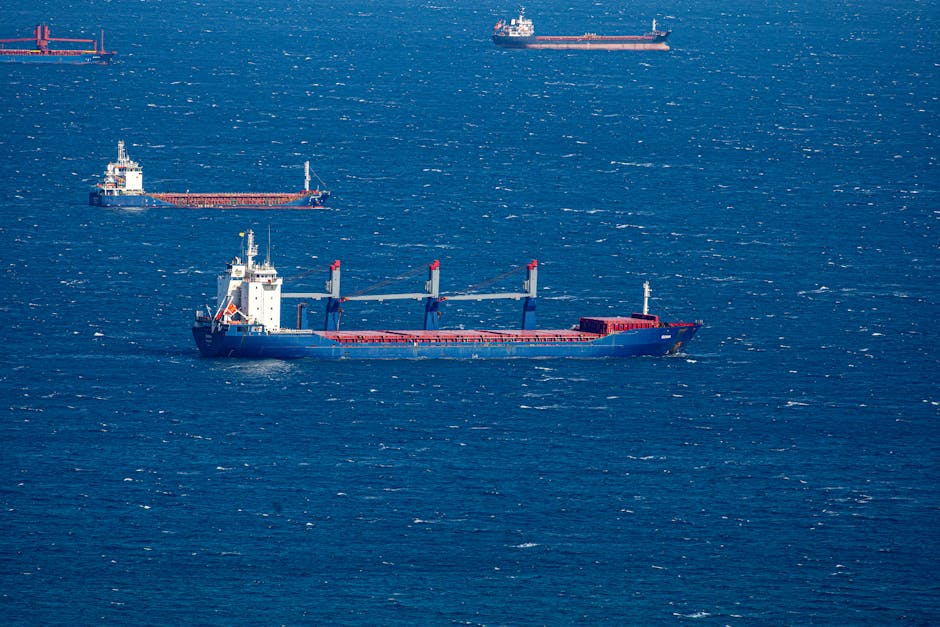
- A 70-boat flotilla sails from Spain to challenge Israel’s naval blockade of Gaza and deliver humanitarian aid.
- The Israeli naval blockade of Gaza has been in place for over a decade, causing widespread poverty and shortages of essential goods.
- The blockade was imposed by Israel in 2007 in response to the election of Hamas, which Israel considers a terrorist organization.
- The flotilla campaigns aim to challenge the blockade and bring attention to the humanitarian crisis in Gaza.
- Organizers of the flotillas remain determined to continue their efforts, citing the urgent need for aid and the importance of challenging Israel’s policies.
The Israeli naval blockade of Gaza has been in place for over a decade, with periodic attempts by flotillas to break the siege and deliver humanitarian aid to the impoverished territory. One such attempt is currently underway, as a 70-boat flotilla sets sail from Spain, aiming to reach Gaza and challenge Israel’s control of the waters. This effort is part of a long history of flotilla campaigns, which have often been met with interception and controversy. The blockade, imposed in 2007, has had a devastating impact on the economy and living conditions in Gaza, with widespread poverty, unemployment, and shortages of essential goods.
Background to the Blockade

The blockade of Gaza was imposed by Israel in response to the election of Hamas in 2006, which Israel considers a terrorist organization. Since then, the blockade has been enforced by the Israeli navy, which intercepts any ships attempting to reach Gaza’s ports. The blockade has been the subject of international condemnation, with many arguing that it constitutes collective punishment of the civilian population. The flotilla campaigns, which began in 2008, aim to challenge the blockade and bring attention to the humanitarian crisis in Gaza. Despite the risks, organizers of the flotillas remain determined to continue their efforts, citing the urgent need for aid and the importance of challenging Israel’s policies.
The Current Flotilla

The current flotilla, which set sail from Spain, is one of the largest to date, with 70 boats and over 1,000 participants from around the world. The flotilla is carrying a cargo of humanitarian aid, including medical supplies, food, and construction materials. The organizers of the flotilla have stated that they will not be deterred by the risk of interception, and are prepared to take a stand against the Israeli navy if necessary. The flotilla has been endorsed by a number of high-profile figures, including politicians, activists, and celebrities. As the flotilla approaches Gaza, tensions are rising, with the Israeli government warning that it will take all necessary measures to prevent the flotilla from reaching its destination.
Analysis of the Blockade
The blockade of Gaza has had a profound impact on the economy and living conditions in the territory. According to the United Nations, the blockade has resulted in a 50% decline in Gaza’s GDP, and a significant increase in poverty and unemployment. The blockade has also had a devastating impact on the healthcare system, with shortages of medical supplies and equipment. The flotilla campaigns have highlighted the issue of the blockade, and have brought international attention to the humanitarian crisis in Gaza. However, the Israeli government remains committed to the blockade, citing security concerns and the need to prevent the smuggling of arms and other contraband into Gaza. The issue of the blockade remains a highly contentious one, with no clear resolution in sight.
Implications of the Blockade
The implications of the blockade are far-reaching, with significant humanitarian, economic, and political consequences. The blockade has resulted in a significant decline in living standards in Gaza, with widespread poverty, unemployment, and shortages of essential goods. The blockade has also had a profound impact on the mental health of the population, with high levels of stress, anxiety, and trauma. The flotilla campaigns have highlighted the need for a resolution to the blockade, and have brought international attention to the humanitarian crisis in Gaza. However, a lasting solution to the issue of the blockade will require a fundamental shift in the policies of the Israeli government, and a commitment to finding a peaceful and sustainable resolution to the conflict.
Expert Perspectives
Experts on the region are divided on the issue of the blockade, with some arguing that it is a necessary security measure, while others argue that it is a form of collective punishment. According to Dr. Sara Roy, a senior research scholar at Harvard University, the blockade is a ‘devastating’ policy that has had a profound impact on the economy and living conditions in Gaza. In contrast, Dr. Efraim Inbar, a professor at Bar-Ilan University, argues that the blockade is a necessary measure to prevent the smuggling of arms and other contraband into Gaza. The debate over the blockade highlights the complexity and contentiousness of the issue, and the need for a nuanced and informed discussion.
As the flotilla approaches Gaza, the international community is watching with bated breath, wondering what will happen next. Will the flotilla be intercepted by the Israeli navy, or will it be allowed to reach its destination? The outcome is far from certain, but one thing is clear: the issue of the blockade will continue to be a major point of contention in the region, and a lasting solution will require a fundamental shift in the policies of the Israeli government. The question on everyone’s mind is: what will it take to bring an end to the blockade, and to find a peaceful and sustainable resolution to the conflict in Gaza?