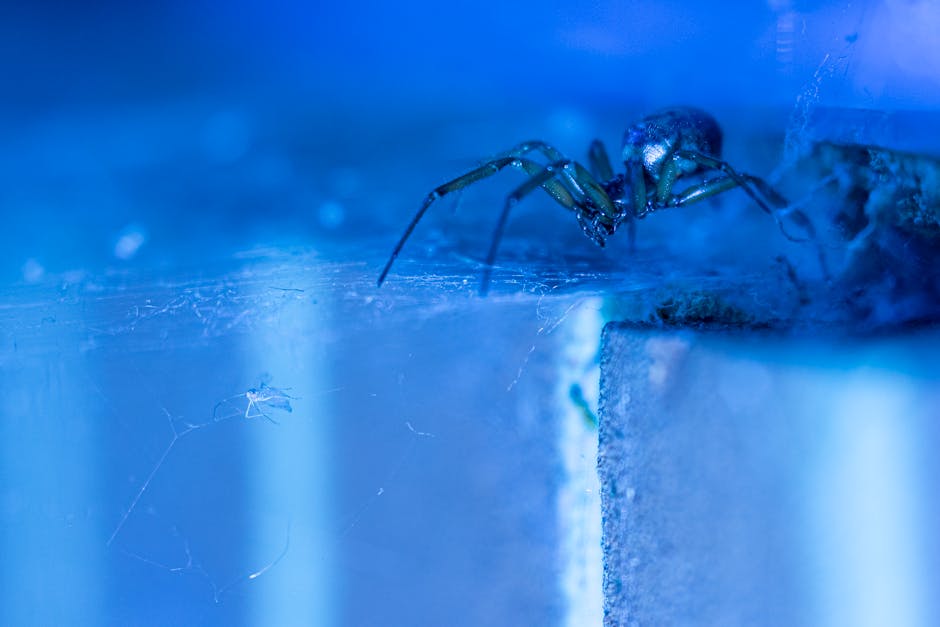
- False widow spider bites have increased significantly, with a growing number of people seeking medical attention.
- The noble false widow spider is often mistaken for the venomous black widow cousins, but its bite can be painful and serious.
- The spiders become more active as the weather warms up, making them a common sight in many parts of the world.
- Experts suggest that international travel and climate change may be contributing to an increase in false widow spider encounters.
- Some false widow spider bites may require serious medical attention, highlighting the need for caution and awareness.
The noble false widow spider, a species often mistaken for its more venomous black widow cousin, has been implicated in a growing number of bites being treated in hospitals. According to recent reports, the number of people seeking medical attention for spider bites has increased significantly, with some experts suggesting that the false widow spider may be to blame. With its distinctive brown color and orange markings, the noble false widow spider is a common sight in many parts of the world, but its bite can be painful and potentially serious. As the weather warms up and the spiders become more active, experts are warning people to be on the lookout for these unwanted critters.
The Rise of the False Widow Spider

The false widow spider has been present in many parts of the world for decades, but it is only in recent years that its bite has become a significant health concern. One reason for this may be the increasing popularity of international travel, which has allowed the spider to spread to new areas. Additionally, changes in climate and weather patterns may be contributing to an increase in the spider’s population, making encounters between humans and false widow spiders more likely. As a result, hospitals and medical professionals are seeing a growing number of patients seeking treatment for spider bites, with some cases requiring serious medical attention.
Understanding the False Widow Spider Bite

So, what exactly happens when a false widow spider bites? The spider’s venom is a complex mixture of compounds that can cause a range of symptoms, from mild pain and swelling to more serious reactions such as necrosis and anaphylaxis. In most cases, the bite will result in a painful red mark that may take several days to heal, but in some cases, the venom can cause more serious damage. Experts say that people who are bitten by a false widow spider should seek medical attention immediately, as prompt treatment can help to reduce the risk of serious complications. With the number of reported bites on the rise, it is essential that people are aware of the risks and take steps to protect themselves.
Analysis of the False Widow Spider Threat
So, why are false widow spider bites becoming more common? One factor may be the increasing presence of the spider in urban areas, where they can thrive in warm and humid environments. Additionally, the spider’s ability to adapt to different environments and its lack of natural predators may be contributing to its growing population. Experts also point to a lack of awareness about the spider and its bite, which can lead to delayed treatment and more serious complications. By understanding the causes of the false widow spider’s rise and taking steps to prevent bites, we can reduce the risk of serious health problems and keep communities safe.
Implications of the False Widow Spider Bite
The implications of the false widow spider bite are far-reaching, with potential consequences for public health and the economy. As the number of reported bites continues to rise, hospitals and medical professionals will need to be prepared to deal with an increasing number of patients seeking treatment. This could put a strain on healthcare resources, particularly in areas where the spider is most common. Furthermore, the fear of spider bites could also have an impact on local businesses and tourism, as people become increasingly wary of visiting areas where the spider is present. By taking steps to prevent bites and raising awareness about the spider and its venom, we can mitigate these risks and keep communities safe.
Expert Perspectives
Experts are divided on the best course of action to deal with the growing threat of false widow spider bites. Some argue that education and awareness are key, and that people should be taught to recognize the spider and take steps to avoid its bite. Others believe that more needs to be done to control the spider’s population, through measures such as pest control and habitat destruction. As the debate continues, one thing is clear: the false widow spider bite is a serious health concern that requires immediate attention and action. By listening to the perspectives of experts and taking a proactive approach, we can reduce the risk of serious health problems and keep communities safe.
As we look to the future, it is essential that we continue to monitor the situation and take steps to prevent further bites. This may involve working with local authorities to implement pest control measures, as well as launching public awareness campaigns to educate people about the spider and its venom. By working together, we can reduce the risk of false widow spider bites and keep our communities safe from this growing health threat. One question that remains is how effective these measures will be in reducing the number of bites, and whether further action will be needed to control the spider’s population and prevent serious health problems.