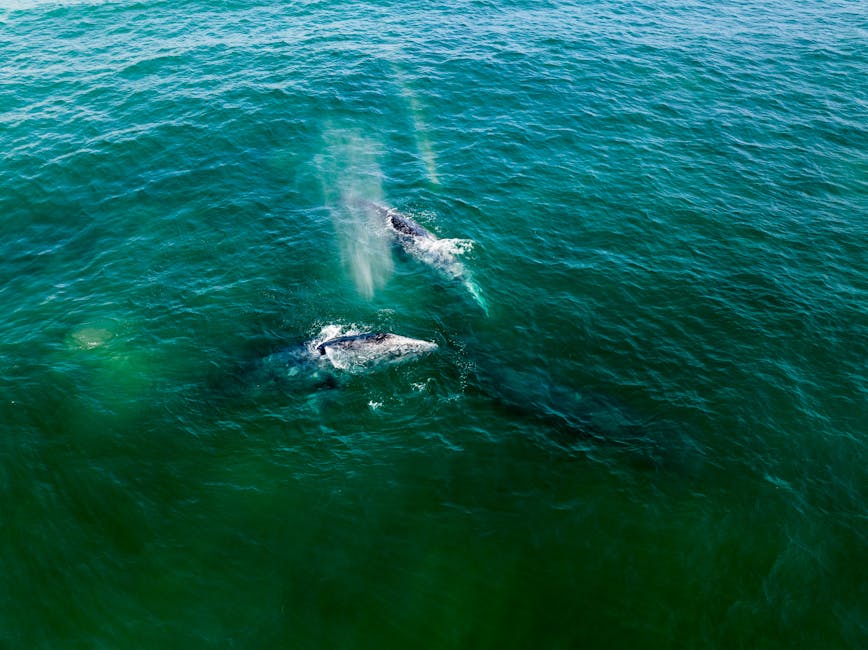
- Gray whale deaths in San Francisco Bay have increased significantly, with at least eight whales found dead over the past year.
- Climate change is disrupting traditional food sources of food for gray whales, causing them to venture into unfamiliar and hazardous territories.
- The warming planet is altering the distribution of krill, the primary food source for gray whales, which is moving northward.
- Gray whales are being forced to search for alternative feeding grounds, potentially leading them into areas with numerous threats.
- Ship collisions, entanglement in fishing nets, and pollution are major threats to gray whales in San Francisco Bay.
A striking fact has emerged in recent years: the number of gray whales dying in San Francisco Bay has increased significantly, with at least eight whales found dead in the area over the past year alone. This trend is not only alarming for the well-being of these majestic creatures but also highlights the broader impact of climate change on marine ecosystems. As the planet warms, traditional food sources for gray whales are being disrupted, leading them to venture into unfamiliar and often hazardous territories, including the busy waters of San Francisco Bay.
The Changing Migration Patterns

The annual migration of gray whales is one of the most incredible feats in the animal kingdom, with these whales traveling thousands of miles each year from their summer feeding grounds in the Arctic to their winter breeding grounds in Mexico. However, climate change is altering the distribution of their primary food source, krill, which is moving northward as ocean temperatures rise. This shift forces gray whales to search for alternative feeding grounds, potentially leading them into areas like San Francisco Bay, where they face numerous threats, including entanglement in fishing nets, pollution, and collisions with ships.
Ship Collisions: A Major Threat

The increase in gray whale deaths in San Francisco Bay is closely linked to the high volume of maritime traffic in the area. The Bay is a critical shipping lane, with large container ships, tankers, and other vessels regularly passing through. For gray whales that have wandered into the Bay, the risk of being struck by a ship is extremely high. Ship collisions can cause severe injuries, including broken bones, internal bleeding, and death. The noise pollution from ships also disrupts the whales’ ability to communicate and navigate, further increasing their vulnerability in an already challenging environment.
Understanding the Causes and Effects
Analysis of the situation reveals that the combination of climate change and human activities in San Francisco Bay creates a perfect storm of risks for gray whales. Climate change not only alters their food sources but also affects the timing of their migrations, potentially causing them to overlap more frequently with shipping traffic. Experts point out that the data on gray whale migrations and feeding patterns, combined with ship traffic data, can provide valuable insights into how to mitigate these risks. This might involve implementing safer shipping practices, such as reducing speeds in areas known to be frequented by whales, or designating whale protection zones within the Bay.
Implications for Marine Conservation
The deaths of gray whales in San Francisco Bay have significant implications for marine conservation efforts. These events underscore the need for a multi-faceted approach to protecting marine life, one that addresses both the immediate threats posed by human activities and the broader, long-term impacts of climate change. The whales that are dying in the Bay are not just individual animals; they represent a larger population that is facing unprecedented challenges. Conservation strategies must therefore consider the health of the entire ecosystem, including the preservation of critical habitats and the mitigation of climate change effects on marine species.
Expert Perspectives
Experts in marine biology and conservation offer contrasting viewpoints on how to address the issue of gray whale deaths in San Francisco Bay. Some advocate for more stringent regulations on shipping, including mandatory speed reductions and the use of technologies that help detect whales in the area. Others emphasize the need for broader conservation efforts, including the protection of Arctic habitats and the reduction of greenhouse gas emissions to mitigate the effects of climate change. While there is no single solution, the consensus is that immediate action is necessary to protect these incredible creatures and the ecosystems they inhabit.
Looking forward, the key question is what steps can be taken to prevent further deaths of gray whales in San Francisco Bay. This will require a collaborative effort from conservation organizations, shipping industries, and governmental agencies. By combining research, policy changes, and public awareness, it may be possible to reduce the risks faced by gray whales in the Bay and to ensure the long-term health of this iconic species. The situation serves as a stark reminder of the interconnectedness of human and marine life and the urgent need for sustainable practices that protect both.