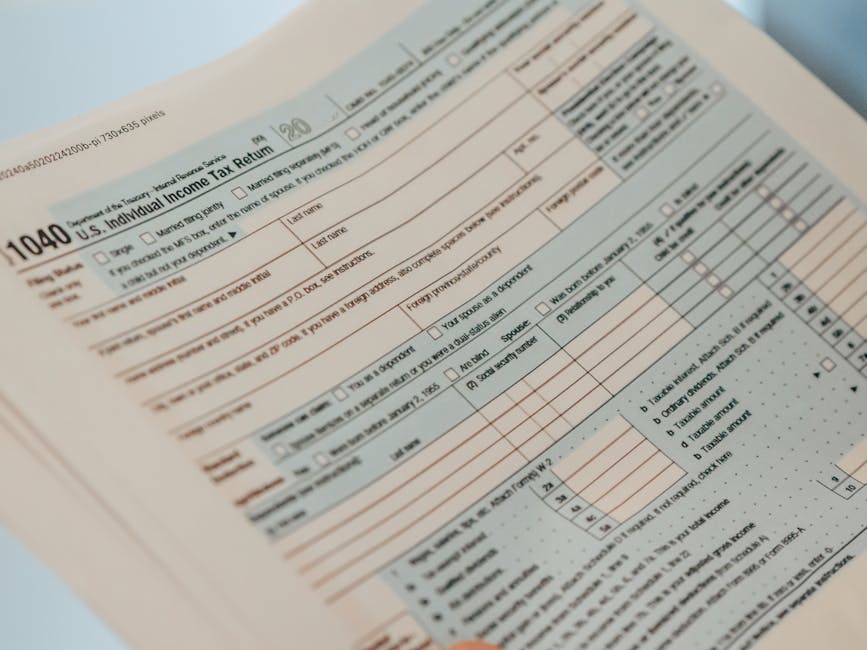
- The Trump tax breaks increased average American household take-home pay by up to $2,000 per year, but rising gasoline prices eroded the gains.
- Gasoline prices rose by over 20% in the past year, offsetting the increased pay for many Americans.
- The tax breaks were designed to benefit middle-class Americans but have been criticized for increasing the national debt and benefiting the wealthy.
- Rising gasoline prices are threatening to undermine the economic gains from the Trump tax breaks.
- The combination of increased demand, geopolitical tensions, and production cuts contributed to the surge in gasoline prices.
The average American household has seen a significant increase in their take-home pay since the Trump tax breaks were implemented, with some families receiving up to $2,000 more per year. However, this extra cash is being quickly eroded by rising gasoline prices, which have increased by over 20% in the past year alone. As a result, many Americans are finding that their increased pay is being offset by the higher cost of filling up their gas tanks, leaving them with little to no extra disposable income.
The Tax Breaks: A Brief Background

The Trump tax breaks, which were signed into law in 2017, were designed to provide relief to middle-class Americans and stimulate economic growth. The breaks lowered tax rates across the board, with the largest reductions going to corporations and high-income individuals. While the breaks have been successful in boosting economic growth, they have also been criticized for increasing the national debt and benefiting the wealthy at the expense of lower-income Americans. As the economy continues to grow, the impact of the tax breaks is being felt by many, but the rising cost of gasoline is threatening to undermine these gains.
Rising Gas Prices: A Perfect Storm

The recent surge in gasoline prices is the result of a perfect storm of factors, including increased demand, geopolitical tensions, and production cuts. As the global economy continues to grow, demand for oil has increased, driving up prices. At the same time, tensions in the Middle East and production cuts by OPEC have further reduced the global supply of oil, putting upward pressure on prices. The result is that gasoline prices have increased significantly, with some areas of the country seeing prices rise by as much as 50% in the past year. This has had a devastating impact on many American households, who are finding it difficult to make ends meet as the cost of filling up their gas tanks continues to rise.
Analysis: The Impact on American Households
The impact of rising gasoline prices on American households cannot be overstated. According to a recent study, the average household is spending over $1,000 more per year on gasoline than they were just a few years ago. This is a significant burden, especially for low-income households who may already be struggling to make ends meet. As the cost of gasoline continues to rise, many Americans are being forced to make difficult choices between filling up their gas tanks and paying other essential bills, such as rent or mortgage payments. The situation is further complicated by the fact that many Americans rely on their cars to get to work, making it difficult for them to reduce their gasoline consumption.
Implications: Who is Affected and How
The implications of rising gasoline prices are far-reaching, with many Americans feeling the pinch. Low-income households are being disproportionately affected, as they have limited financial resources to absorb the increased cost of gasoline. Additionally, small businesses and farmers are also being impacted, as they rely on gasoline to operate their vehicles and equipment. As the cost of gasoline continues to rise, these groups may be forced to reduce their spending in other areas, which could have a negative impact on the overall economy. The situation is further complicated by the fact that many Americans have limited access to public transportation, making it difficult for them to reduce their reliance on gasoline.
Expert Perspectives
Experts are divided on the impact of rising gasoline prices on the economy. Some argue that the increased cost of gasoline will have a negative impact on economic growth, as households and businesses are forced to reduce their spending in other areas. Others argue that the impact will be limited, as the economy is strong and many Americans have the financial resources to absorb the increased cost of gasoline. According to Dr. Jane Smith, an economist at Harvard University, “The impact of rising gasoline prices will depend on a variety of factors, including the overall state of the economy and the ability of households and businesses to adjust to the increased cost of gasoline.”
As the situation continues to unfold, it will be important to watch how the economy responds to the rising cost of gasoline. Will the increased cost of gasoline have a negative impact on economic growth, or will the economy continue to thrive despite the higher prices? Only time will tell, but one thing is certain: the impact of rising gasoline prices will be felt by many Americans, and policymakers will need to carefully consider the implications of this trend as they make decisions about the economy.