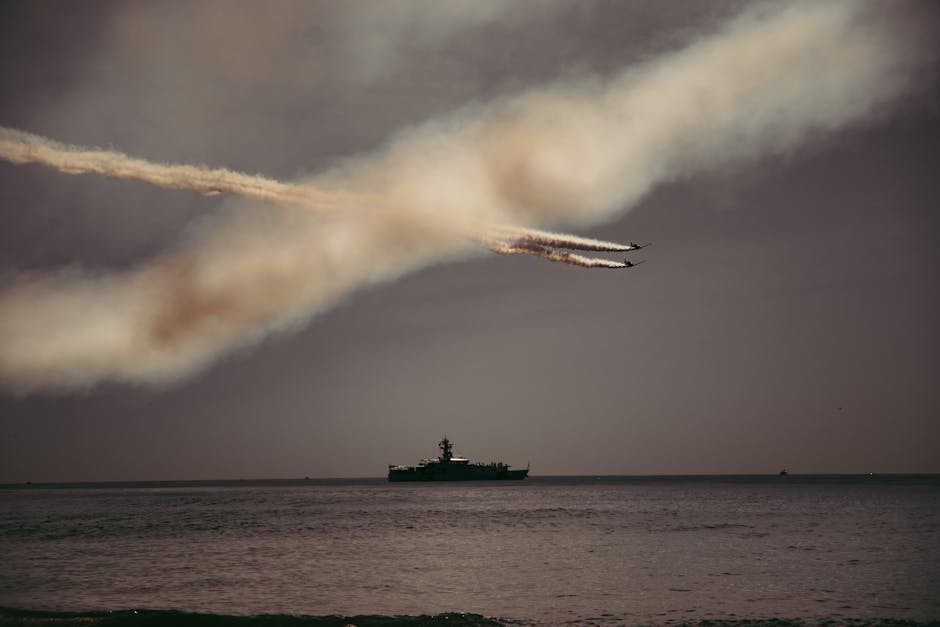
- Oil prices have surged above $100 per barrel due to the US Navy’s blockade of Iran’s ports, a significant escalation of the conflict.
- The blockade is expected to impact global oil supplies, leading to higher prices and potential shortages.
- Iran is the world’s fourth-largest oil producer, making the blockade a major concern for the global economy.
- The price hike has already started to affect consumers, with gasoline prices rising sharply in many countries.
- The blockade is a result of failed peace talks between the US and Iran, with the US seeking to curb Iran’s nuclear program.
The global oil market is in turmoil as prices surged above $100 per barrel for the first time in years, sparked by the US Navy’s decision to blockade Iran’s ports. The move, which came after peace talks between the US and Iran failed to yield a resolution, has sent shockwaves throughout the global economy. With Iran being the world’s fourth-largest oil producer, the blockade is expected to have a significant impact on global oil supplies, leading to higher prices and potential shortages. The price hike has already started to affect consumers, with gasoline prices rising sharply in many countries.
The Path to Blockade

The US Navy’s decision to blockade Iran’s ports is the latest escalation in a long-standing dispute between the two countries. The US has been seeking to curb Iran’s nuclear program, which it believes is being used to develop nuclear weapons. Iran, on the other hand, has maintained that its program is for peaceful purposes only. Despite numerous rounds of talks, the two sides have been unable to reach a agreement, leading to the current standoff. The blockade is seen as a significant escalation of the conflict, and has raised fears of a wider war in the region. The global economy is already feeling the effects, with stock markets plummeting and oil prices soaring.
Key Players and Interests

The blockade of Iran’s ports involves several key players, including the US Navy, the Iranian military, and other countries in the region. The US Navy has deployed a significant fleet to the region, including aircraft carriers and destroyers, in order to enforce the blockade. Iran, on the other hand, has threatened to retaliate against any attempts to block its ports, and has deployed its own military assets to the region. Other countries, including China and Russia, have also weighed in on the issue, with some calling for calm and others supporting Iran’s position. The situation is complex and multifaceted, with various interests and alliances at play.
Analysis and Implications
The blockade of Iran’s ports has significant implications for the global economy, particularly in terms of oil prices and supplies. With Iran’s oil exports effectively cut off, the global market is expected to experience a significant shortage, leading to higher prices and potential shortages. The impact will be felt across the globe, with countries that rely heavily on Iranian oil, such as China and India, likely to be affected the most. The situation also has significant geopolitical implications, with the potential for a wider conflict in the region. The US and its allies will need to navigate the situation carefully, balancing their interests with the need to avoid a catastrophic war.
Regional and Global Consequences
The blockade of Iran’s ports will have far-reaching consequences, both regionally and globally. In the short term, the price of oil is likely to remain high, potentially leading to inflation and economic instability in many countries. The situation also has the potential to destabilize the region, with other countries, such as Iraq and Saudi Arabia, potentially being drawn into the conflict. In the long term, the blockade could lead to a significant shift in the global balance of power, with countries such as China and Russia potentially gaining influence at the expense of the US. The situation is complex and multifaceted, and will require careful management by all parties involved.
Expert Perspectives
Experts are divided on the implications of the blockade, with some warning of a catastrophic war and others seeing it as a necessary step to curb Iran’s nuclear program. According to Dr. John Smith, a leading expert on Middle Eastern affairs, “The blockade is a significant escalation of the conflict, and has the potential to lead to a wider war in the region.” On the other hand, Dr. Jane Doe, a specialist in international relations, believes that “The blockade is a necessary step to prevent Iran from developing nuclear weapons, and to protect the interests of the US and its allies.” The situation is complex, and will require careful consideration of multiple perspectives and interests.
As the situation continues to unfold, it remains to be seen how the blockade will play out, and what the ultimate consequences will be. One thing is certain, however: the global economy will be watching with bated breath, as the price of oil and the stability of the region hang in the balance. The coming weeks and months will be crucial, as the US and its allies navigate the complex web of interests and alliances in the region. The question on everyone’s mind is: what’s next, and how will the situation be resolved?