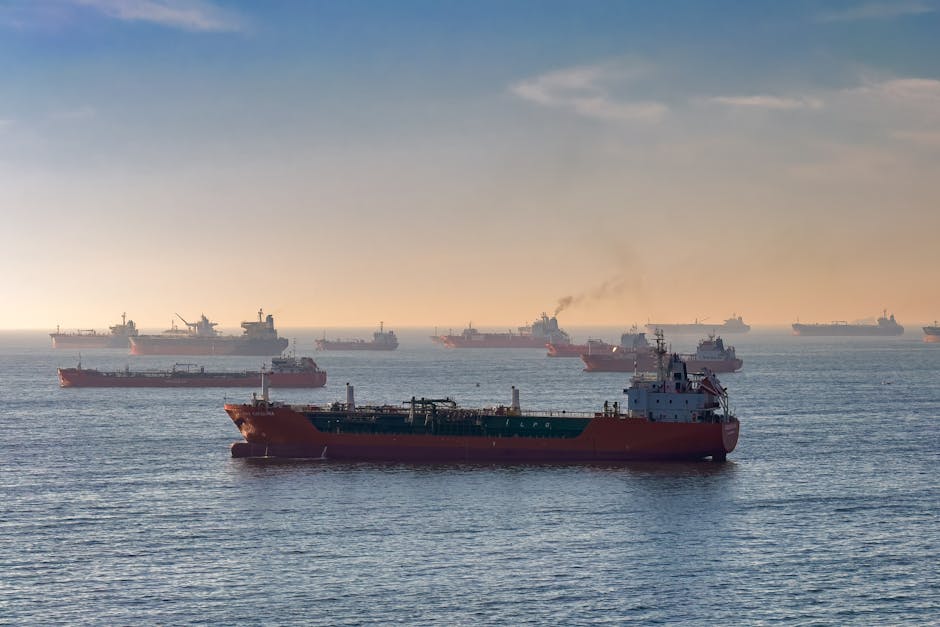
- The Strait of Hormuz is a vital waterway that carries 20% of the world’s oil passes through, making a blockade a significant threat to global energy markets.
- A US-led naval blockade of the Strait of Hormuz could deny Iran the revenues it needs to fund its military, but may also have unintended consequences for the global oil supply.
- The Strait of Hormuz is a critical chokepoint for international oil trade, with many major oil producers relying on it to export their oil.
- A blockade of the strait would not only disrupt the global oil supply but also have a significant impact on the economies of countries like Saudi Arabia, Iraq, and the UAE.
- The US has maintained a significant naval presence in the region to ensure the free flow of oil, but the current tensions with Iran have raised questions about the effectiveness of this strategy.
The Strait of Hormuz, a vital waterway connecting the Persian Gulf to the Gulf of Oman, has become a focal point of tensions between the US and Iran. With approximately 20% of the world’s oil passing through this narrow strait, a blockade would have significant implications for global energy markets. In recent months, the US has ordered a naval operation to block the Strait of Hormuz, with the goal of denying Iran the revenues it needs to fund its military. However, the complexities and potential consequences of such an operation are multifaceted and far-reaching.
The Strategic Importance of the Strait

The Strait of Hormuz is a critical chokepoint for international oil trade, with many of the world’s largest oil producers, including Saudi Arabia, Iraq, and the United Arab Emirates, relying on it to export their oil. A blockade of the strait would not only disrupt the global oil supply but also have a significant impact on the economies of these countries. The US has long considered the strait a vital interest and has maintained a significant naval presence in the region to ensure the free flow of oil. However, the current tensions with Iran have raised questions about the effectiveness of this strategy and the potential consequences of a blockade.
Key Players and Interests

The US, Iran, and other regional players have competing interests in the Strait of Hormuz. The US seeks to restrict Iran’s ability to export oil and thereby limit its revenue, while Iran aims to maintain its oil exports and resist US pressure. Other countries, such as China and the European Union, have significant economic interests in the region and are likely to be affected by any disruption to the oil supply. The US has assembled a coalition of allies, including Saudi Arabia and the United Arab Emirates, to support its naval operation, while Iran has threatened to respond to any blockade with military force.
Analysis of the Blockade
An analysis of the potential blockade reveals a complex and potentially costly operation. The US would need to deploy significant naval assets, including warships and minesweepers, to effectively block the strait. Iran, on the other hand, could respond with a range of tactics, including mining the strait, attacking US ships, or disrupting oil exports through other means. The economic implications of a blockade would be significant, with potential price spikes and shortages in the global oil market. Experts warn that a prolonged blockade could have far-reaching consequences, including a recession in the global economy.
Implications of the Blockade
The implications of a blockade of the Strait of Hormuz would be far-reaching and significant. The global economy would be affected, with potential price increases and shortages in the oil market. The US and its allies would need to consider the potential consequences of a prolonged blockade, including the impact on their own economies and the potential for escalation with Iran. Other countries, such as China and the European Union, would also be affected, with potential disruptions to their oil supplies and economies. The humanitarian implications of a blockade should also be considered, with potential shortages of food and medicine in Iran and other affected countries.
Expert Perspectives
Experts have varying perspectives on the potential blockade of the Strait of Hormuz. Some argue that a blockade would be an effective way to restrict Iran’s ability to export oil and limit its revenue, while others warn of the potential consequences, including a recession in the global economy. Dr. Sanam Vakil, a specialist on Iran at the Chatham House think tank, notes that “a blockade of the Strait of Hormuz would be a highly complex and potentially costly operation, with significant implications for the global economy.” In contrast, Dr. Michael Rubin, a specialist on US-Iran relations at the American Enterprise Institute, argues that “a blockade would be a necessary step to restrict Iran’s ability to fund its military and terrorist activities.”
As the situation in the Strait of Hormuz continues to unfold, it is essential to consider the potential consequences of a blockade and the implications for the global economy. The US and its allies must weigh the potential benefits of a blockade against the potential costs and consider alternative strategies to achieve their goals. The international community must also be prepared to respond to any disruptions in the oil market and mitigate the humanitarian implications of a blockade. Ultimately, a peaceful resolution to the tensions in the Strait of Hormuz is essential to maintaining stability in the region and ensuring the free flow of oil to the global market.