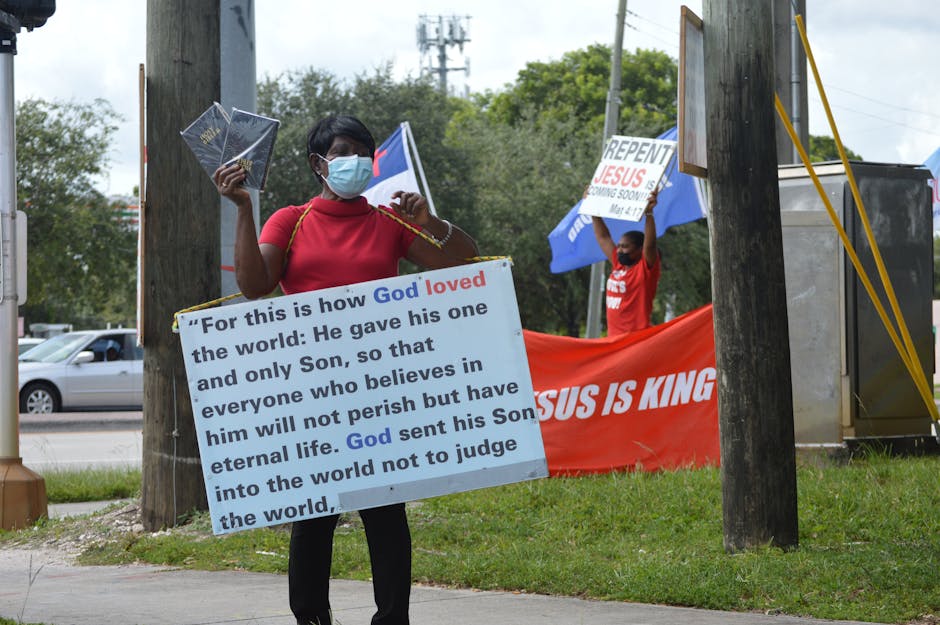
- A significant number of Jehovah’s Witnesses, including children, have died due to the organisation’s stance on blood transfusions.
- The Jehovah’s Witnesses’ refusal of blood transfusions is rooted in their interpretation of biblical scripture, which has been widely criticised by medical professionals.
- The organisation’s new policy update has been seen as an attempt to address concerns, but its effectiveness remains unclear.
- Former followers argue that the updated policy continues to put lives at risk due to its failure to address fundamental issues.
- The issue of blood transfusions has become increasingly pressing in recent years, with a growing number of cases of health complications.
A striking fact highlights the gravity of the situation: a significant number of Jehovah’s Witnesses, including children, have died due to the organisation’s stance on blood transfusions. One such case is that of a former follower who was pressured into refusing a blood transfusion at the age of 11, a decision that could have had devastating consequences. This experience is not an isolated incident, and it underscores the need for a re-evaluation of the organisation’s policy on blood transfusions. The Jehovah’s Witnesses have recently updated their policy, but former followers argue that it does not address the fundamental issues and continues to put lives at risk.
The Background of the Jehovah’s Witnesses’ Stance

The Jehovah’s Witnesses’ refusal of blood transfusions is rooted in their interpretation of biblical scripture. The organisation believes that the Bible prohibits the ingestion of blood, and this principle is applied to blood transfusions. However, this stance has been widely criticised by medical professionals and former followers, who argue that it is based on a flawed understanding of the scripture and disregards the value of human life. The issue has become increasingly pressing in recent years, with a growing number of cases where Jehovah’s Witnesses have died or suffered serious health complications due to their refusal of blood transfusions. The organisation’s new policy update has been seen as an attempt to address these concerns, but its effectiveness remains to be seen.
The Policy Update: A Closer Look

The Jehovah’s Witnesses’ new policy on blood transfusions appears to be a response to mounting criticism and pressure from former followers and medical professionals. The updated policy allows for more flexibility in the decision-making process, enabling individuals to make their own choices regarding blood transfusions. However, former followers argue that the policy does not go far enough and that the organisation’s underlying stance on blood transfusions remains unchanged. The policy update has been seen as a cosmetic change, designed to improve the organisation’s public image rather than genuinely address the concerns of its followers. The fact that the organisation continues to discourage its members from accepting blood transfusions raises serious questions about its commitment to protecting human life.
Analysis of the Policy’s Implications
A closer analysis of the policy update reveals that it is based on a complex interplay of factors, including biblical interpretation, medical ethics, and organisational politics. The Jehovah’s Witnesses’ stance on blood transfusions is shaped by their unique worldview, which prioritises spiritual salvation over physical well-being. However, this approach has been criticised for being overly simplistic and disregarding the complexities of modern medicine. The organisation’s refusal to accept blood transfusions has been shown to have serious consequences, including increased mortality rates and long-term health complications. The updated policy has been seen as an attempt to mitigate these risks, but its effectiveness remains uncertain. Expert opinions on the matter are divided, with some arguing that the policy update is a step in the right direction, while others believe that it does not go far enough to address the fundamental issues.
Implications for Followers and the Wider Community
The Jehovah’s Witnesses’ policy on blood transfusions has significant implications for its followers, as well as the wider community. The organisation’s stance on blood transfusions can have devastating consequences, particularly for children and young adults who may be pressured into refusing life-saving treatment. The updated policy may provide some reassurance, but it is unlikely to alleviate the concerns of medical professionals and former followers, who argue that the organisation’s underlying stance on blood transfusions remains a threat to human life. The implications of the policy update extend beyond the Jehovah’s Witnesses community, raising important questions about the balance between religious freedom and medical ethics. As the debate surrounding the Jehovah’s Witnesses’ policy on blood transfusions continues, it is essential to consider the potential consequences of the organisation’s stance and the need for a more nuanced approach to this complex issue.
Expert Perspectives
Expert opinions on the Jehovah’s Witnesses’ policy on blood transfusions are varied and often conflicting. Some medical professionals argue that the organisation’s stance on blood transfusions is based on a flawed understanding of the scripture and disregards the value of human life. Others believe that the updated policy is a step in the right direction, providing more flexibility and autonomy for individuals to make their own decisions regarding blood transfusions. However, former followers and human rights advocates argue that the policy update does not go far enough and that the organisation’s underlying stance on blood transfusions remains a threat to human life. The debate surrounding the Jehovah’s Witnesses’ policy on blood transfusions highlights the need for a more nuanced approach to this complex issue, one that balances religious freedom with medical ethics and the value of human life.
As the Jehovah’s Witnesses continue to grapple with the implications of their policy on blood transfusions, it is essential to consider the potential consequences of their stance. The organisation’s updated policy may provide some reassurance, but it is unlikely to alleviate the concerns of medical professionals and former followers. The question remains: what will it take for the Jehovah’s Witnesses to re-evaluate their stance on blood transfusions and prioritise the value of human life? The answer to this question will have significant implications for the organisation’s followers, as well as the wider community, and will require a nuanced and multifaceted approach to this complex issue.