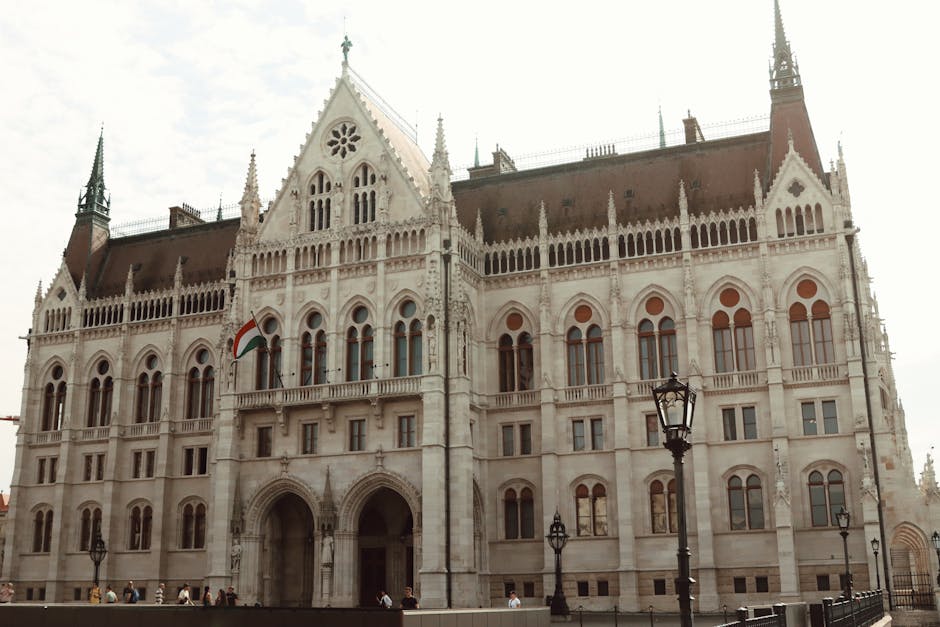
- Hungary’s Prime Minister Viktor Orban has conceded defeat after 16 years in power, marking a significant shift in the country’s political landscape.
- The opposition party, led by Peter Magyar, secured a majority of votes in the recent election, sending shockwaves throughout the nation.
- Orban’s concession marks the end of an era characterized by authoritarian tendencies and policies that undermined democratic institutions.
- The country is bracing itself for a significant transformation, with far-reaching implications for its economy, politics, and international relationships.
- The concession suggests a growing number of Hungarians are seeking a more inclusive and progressive form of governance.
Hungary has witnessed a seismic shift in its political landscape as Prime Minister Viktor Orban conceded defeat after 16 years in power, marking the end of an era for the country. Orban, who has been a dominant figure in Hungarian politics since 2006, announced his concession after the opposition party, led by Peter Magyar, secured a majority of votes in the recent election. This unexpected turn of events has sent shockwaves throughout the nation, with many Hungarians taking to the streets to celebrate the dawn of a new era. As Orban steps down, the country is bracing itself for a significant transformation, one that is likely to have far-reaching implications for its economy, politics, and international relationships.
The Fall of an Era

The concession of Viktor Orban is a significant moment in Hungarian history, one that highlights the country’s desire for change and its willingness to move away from the authoritarian tendencies that have characterized Orban’s rule. Over the past decade and a half, Orban has implemented a range of policies that have been criticized for undermining democratic institutions and restricting individual freedoms. Despite these criticisms, Orban has maintained a strong support base, particularly among rural communities and nationalist groups. However, the recent election results suggest that a growing number of Hungarians are seeking a more inclusive and progressive form of governance, one that prioritizes the needs of all citizens rather than just a select few.
A New Leader Emerges

Peter Magyar, the leader of the opposition party, has emerged as the victor in the recent election, securing a majority of votes and paving the way for a new government to take office. Magyar, a charismatic and experienced politician, has campaigned on a platform of reform and renewal, promising to restore democratic values and promote economic growth. As he prepares to take the reins of power, Magyar faces significant challenges, including the need to repair Hungary’s relationships with its European partners and address the country’s pressing economic and social issues. Despite these challenges, Magyar’s victory has been welcomed by many as a positive step forward for the country, one that offers a chance for Hungary to re-engage with the international community and reclaim its position as a respected and valued member of the European family.
Analysis and Implications
The defeat of Viktor Orban and the emergence of Peter Magyar as Hungary’s new leader has significant implications for the country’s future. One of the key challenges facing Magyar will be the need to rebuild trust with Hungary’s European partners, many of whom have been critical of Orban’s authoritarian tendencies and his handling of key issues such as migration and the economy. Magyar will also need to address the country’s pressing economic and social issues, including high levels of poverty and inequality, and a declining standard of living for many Hungarians. Despite these challenges, the election result has been welcomed by many as a positive step forward for the country, one that offers a chance for Hungary to re-engage with the international community and promote economic growth and development.
A New Era for Hungary
The concession of Viktor Orban and the emergence of Peter Magyar as Hungary’s new leader marks the beginning of a new era for the country, one that is likely to be characterized by significant change and transformation. As Magyar prepares to take office, he faces significant challenges, including the need to repair Hungary’s relationships with its European partners and address the country’s pressing economic and social issues. Despite these challenges, the election result has been welcomed by many as a positive step forward for the country, one that offers a chance for Hungary to re-engage with the international community and promote economic growth and development. The coming months and years will be critical in shaping Hungary’s future, and it remains to be seen whether Magyar will be able to deliver on his promises and promote a more inclusive and progressive form of governance.
Expert Perspectives
Experts are divided on the implications of Orban’s defeat and Magyar’s victory, with some hailing the election result as a significant step forward for Hungarian democracy and others expressing caution about the challenges that lie ahead. According to Andras Tokai, a Hungarian political analyst, the election result marks a significant turning point for the country, one that offers a chance for Hungary to re-engage with the international community and promote economic growth and development. However, Laszlo Kovacs, a former Hungarian diplomat, has expressed caution about the challenges that Magyar will face, particularly in terms of repairing Hungary’s relationships with its European partners and addressing the country’s pressing economic and social issues.
As Hungary looks to the future, one thing is clear: the election result marks a significant shift in the country’s political landscape, one that is likely to have far-reaching implications for its economy, politics, and international relationships. As Magyar prepares to take office, he will need to navigate a complex web of challenges and opportunities, all while promoting a more inclusive and progressive form of governance. The coming months and years will be critical in shaping Hungary’s future, and it remains to be seen whether Magyar will be able to deliver on his promises and promote a brighter future for all Hungarians.