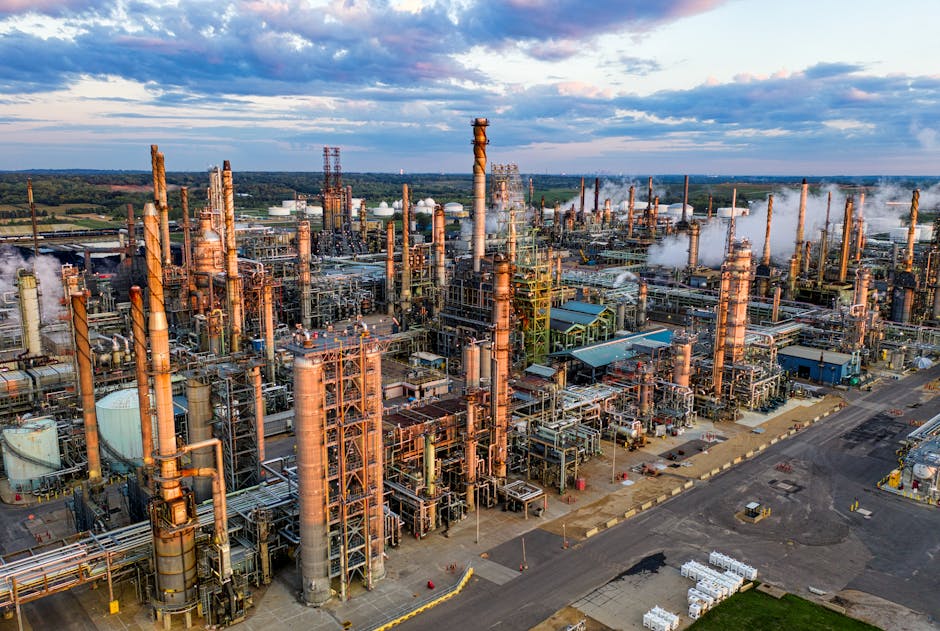
- Iran has reduced its reliance on oil exports, with the sector now accounting for less than 20% of the country’s GDP.
- The nation’s economy has made significant strides in diversifying its sectors, including manufacturing, agriculture, and services.
- Iran’s economic diversification has been driven by a desire to create a more sustainable and resilient economy.
- The government recognized the need to develop other sectors to reduce the economy’s vulnerability to fluctuations in the global oil market.
- Iran’s economic transformation is a striking fact, considering its tumultuous past and high reliance on oil exports.
Iran’s economy has long been synonymous with oil, but the nation has made significant strides in diversifying its economy in recent years. Despite being under strict sanctions, Iran has managed to reduce its reliance on oil exports, with the sector now accounting for less than 20% of the country’s GDP. This is a striking fact, considering that oil exports once accounted for over 80% of Iran’s total exports. The transformation is even more impressive given the nation’s tumultuous past, marked by high inflation, high unemployment, and unrest before the war.
From Oil Dependence to Diversification

The need for economic diversification in Iran became increasingly urgent in the years leading up to the war. With the nation contending with high inflation, high unemployment, and unrest, it became clear that relying solely on oil exports was no longer a viable option. The government recognized the need to develop other sectors, such as manufacturing, agriculture, and services, to reduce the economy’s vulnerability to fluctuations in the global oil market. This shift in strategy has been driven by a desire to create a more sustainable and resilient economy, capable of withstanding external shocks and providing opportunities for the nation’s growing population.
Key Drivers of Diversification

Several key factors have contributed to Iran’s economic diversification. The development of the nation’s manufacturing sector has been a major driver, with a focus on producing goods such as textiles, food products, and pharmaceuticals. The government has also invested heavily in the agriculture sector, with initiatives aimed at increasing crop yields and improving irrigation systems. Additionally, the services sector has grown significantly, with a particular emphasis on tourism and financial services. These developments have not only reduced Iran’s reliance on oil exports but have also created new opportunities for employment and economic growth.
Analysis of the Diversification Efforts
An analysis of Iran’s diversification efforts reveals a complex interplay of factors, including government policy, investment, and technological advancements. The government’s decision to implement policies aimed at supporting the development of non-oil sectors has been crucial, as has the investment in infrastructure and human capital. Furthermore, the adoption of new technologies has enabled Iranian businesses to increase efficiency and competitiveness, making them more attractive to foreign investors. Data from the World Bank shows that Iran’s non-oil GDP has grown at an average annual rate of 5% over the past decade, outpacing the oil sector and demonstrating the success of the nation’s diversification efforts.
Implications of Diversification
The implications of Iran’s economic diversification are far-reaching, with significant benefits for the nation and its people. By reducing reliance on oil exports, Iran has decreased its vulnerability to fluctuations in the global oil market, creating a more stable and sustainable economy. This, in turn, has led to increased economic growth, improved employment opportunities, and a higher standard of living for Iranians. The diversification of the economy has also enabled Iran to engage more fully with the global economy, attracting foreign investment and promoting trade with other nations.
Expert Perspectives
Experts have differing viewpoints on the significance of Iran’s economic diversification. Some argue that the nation’s progress has been impressive, given the challenging circumstances, and that the diversification of the economy has laid the foundation for long-term growth and development. Others, however, suggest that more needs to be done to address the underlying structural issues that have hindered Iran’s economic progress in the past, such as corruption and bureaucratic inefficiencies. Despite these differing perspectives, there is a broad consensus that Iran’s economic diversification has been a crucial step in the right direction.
Looking to the future, it is clear that Iran’s economic diversification will continue to be an important theme. As the nation seeks to build on its progress and address the remaining challenges, it will be important to monitor the government’s policy decisions and the response of the private sector. A key question is how Iran will balance the need to attract foreign investment with the need to protect domestic industries and promote sustainable development. The answer to this question will have significant implications for the nation’s economic future and its place in the global economy.