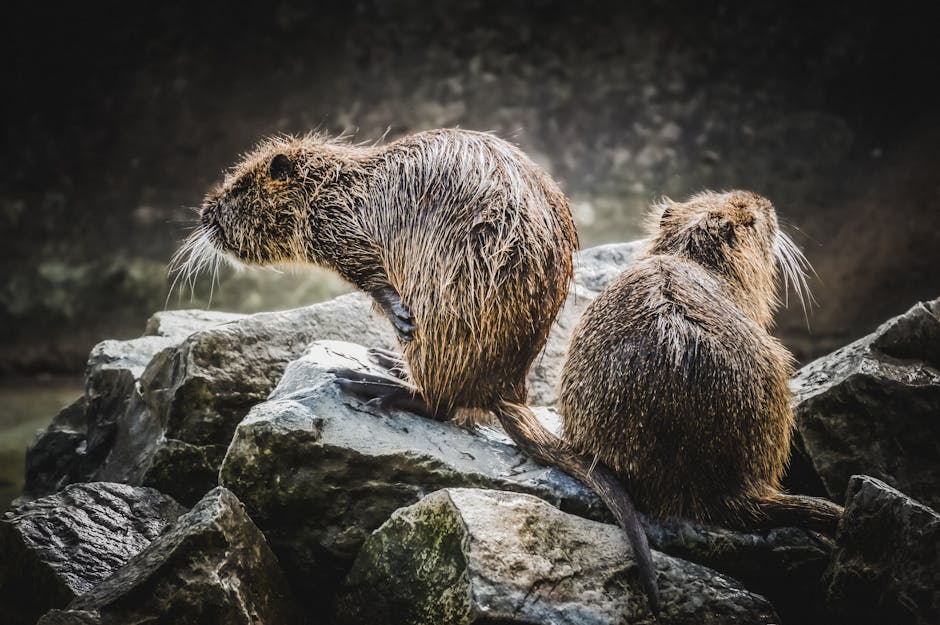
- Dorset plans to release up to 50 wild beavers into rivers to boost biodiversity and improve ecosystem health.
- Beavers play a crucial role in shaping their environments through their remarkable engineering skills, building dams and lodges.
- The reintroduction of beavers is expected to have a profound impact on the local ecosystem, creating wetlands that support a range of plant and animal species.
- Beavers are considered a keystone species, meaning their presence has a disproportionate impact on their environment, improving water quality and reducing the risk of flooding.
- The Dorset Wildlife Trust’s plans are part of a broader effort to restore and conserve the region’s natural habitats and protect biodiversity.
The reintroduction of wild beavers into rivers is a striking example of conservation efforts in action. With plans to release up to 50 semi-aquatic mammals into the wild, the Dorset Wildlife Trust is taking a significant step towards boosting biodiversity and improving ecosystem health in the region. This move is particularly noteworthy, given the crucial role beavers play in shaping their environments through their remarkable engineering skills. By building dams and lodges, beavers can alter the course of rivers, creating wetlands that support a wide range of plant and animal species. As such, the reintroduction of these animals is expected to have a profound impact on the local ecosystem.
Background and Rationale

The decision to reintroduce beavers into Dorset’s rivers is not taken lightly, and it reflects a growing recognition of the importance of these animals in maintaining healthy ecosystems. Beavers are considered a keystone species, meaning their presence has a disproportionate impact on their environment. By creating wetlands and altering river flows, beavers can help to improve water quality, reduce the risk of flooding, and support a wide range of wildlife. The Dorset Wildlife Trust’s plans are part of a broader effort to restore and conserve the region’s natural habitats, and they reflect a growing awareness of the need to protect and preserve biodiversity. With many species facing threats from climate change, habitat destruction, and other human activities, the reintroduction of beavers is seen as a vital step towards creating more resilient ecosystems.
Key Details of the Reintroduction Plan

The plans to release up to 50 beavers into Dorset’s rivers are ambitious and will require careful planning and execution. The Dorset Wildlife Trust will work closely with local landowners, conservation groups, and government agencies to identify suitable release sites and to ensure that the beavers are introduced safely and humanely. The trust will also establish a monitoring program to track the beavers’ progress and to assess the impact of the reintroduction on the local ecosystem. This will involve studying the beavers’ behavior, monitoring their population growth, and assessing the effects of their dam-building activities on river flows and water quality. By taking a thorough and scientific approach, the trust aims to ensure that the reintroduction is a success and that the beavers thrive in their new environment.
Analysis of the Potential Outcomes
The reintroduction of beavers into Dorset’s rivers has the potential to produce a range of benefits, from improving water quality and reducing flood risk to supporting biodiversity and enhancing ecosystem resilience. However, there are also potential risks and challenges to consider, including the possibility of conflicts between beavers and human activities such as farming and forestry. To mitigate these risks, the Dorset Wildlife Trust will work closely with local stakeholders to raise awareness of the beavers’ presence and to promote coexistence with these animals. The trust will also establish a system for reporting and addressing any problems that may arise, such as damage to crops or property. By taking a proactive and collaborative approach, the trust aims to minimize the risks and maximize the benefits of the reintroduction.
Implications for the Local Community and Environment
The reintroduction of beavers into Dorset’s rivers is expected to have significant implications for the local community and environment. The creation of wetlands and the alteration of river flows could support a wide range of plant and animal species, from fish and birds to insects and plants. The beavers’ dam-building activities could also help to improve water quality, reduce the risk of flooding, and enhance the aesthetic value of the landscape. However, there may also be challenges to overcome, including the potential for conflicts between beavers and human activities. To address these challenges, the Dorset Wildlife Trust will work closely with local stakeholders to promote coexistence with the beavers and to raise awareness of the benefits and risks of the reintroduction.
Expert Perspectives
Experts in conservation and ecology have welcomed the plans to reintroduce beavers into Dorset’s rivers, citing the potential benefits for biodiversity and ecosystem health. However, some have also expressed caution, noting the potential risks and challenges associated with the reintroduction. According to Dr. Emily Wilson, a conservation biologist at the University of Exeter, “The reintroduction of beavers is a complex issue that requires careful planning and management. While the potential benefits are significant, we must also be aware of the potential risks and take steps to mitigate them.” Dr. Wilson’s comments reflect the nuanced and multifaceted nature of the issue, highlighting the need for a balanced and informed approach to the reintroduction.
Looking to the future, the success of the beaver reintroduction will depend on a range of factors, including the effectiveness of the monitoring program, the level of support from local stakeholders, and the ability to address any challenges that may arise. As the Dorset Wildlife Trust embarks on this ambitious project, it will be important to watch for signs of progress and to ask questions about the long-term implications of the reintroduction. What will be the impact on local ecosystems, and how will the beavers adapt to their new environment? How will the trust balance the needs of the beavers with the needs of human stakeholders, and what lessons can be learned from this project that can be applied to other conservation efforts? These are just a few of the questions that will be important to consider as the project moves forward.