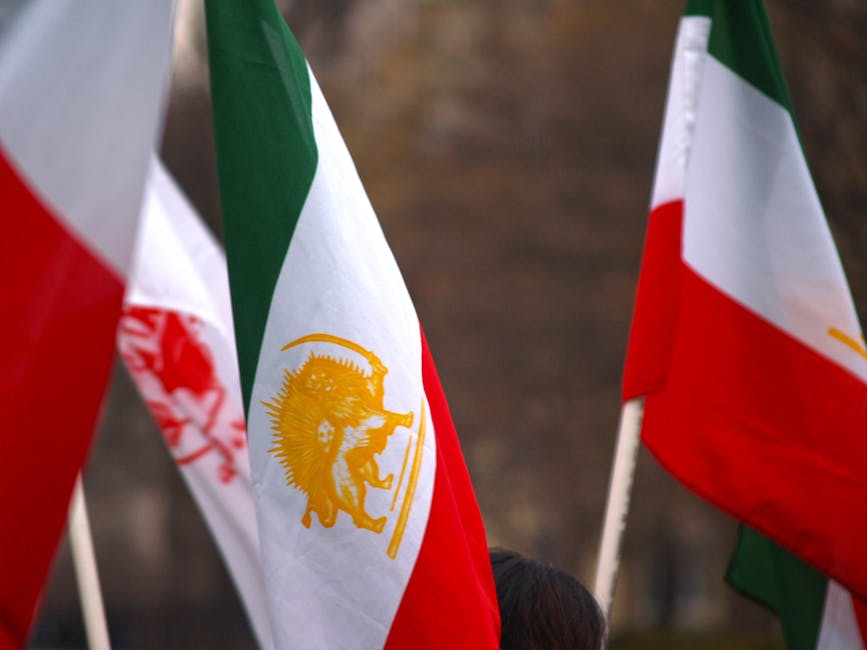
- US-Iran talks in Islamabad ended without a deal, with both sides blaming each other for the failure.
- The conflict between the US and Iran has been ongoing for 44 days, with tensions over nuclear proliferation and regional influence.
- The humanitarian toll is increasing as civilians are caught in the crossfire, raising concerns about the region’s stability.
- Regional players like Saudi Arabia and the UAE have been drawn into the conflict, complicating efforts to find a resolution.
- The situation has escalated to a point where there are fears of further military action and a broader regional conflict.
The US-Iran conflict has entered its 44th day, with the latest round of talks in Islamabad ending in stalemate. Despite high hopes for a breakthrough, the negotiations concluded without a deal, with each side blaming the other for the failure. The collapse of the talks has raised concerns about the prospect of further escalation in the region, with many fearing that the conflict could spiral out of control. The US and Iran have been at odds since the beginning of the year, with tensions simmering over a range of issues, including nuclear proliferation and regional influence. As the conflict drags on, the humanitarian toll is mounting, with thousands of civilians caught in the crossfire.
Background to the Conflict

The current conflict between the US and Iran has its roots in a long-standing dispute over nuclear proliferation. The US has accused Iran of secretly developing nuclear weapons, while Iran maintains that its nuclear program is for peaceful purposes only. The situation escalated in recent months, with the US imposing tough sanctions on Iran and Iran responding by launching a series of missile attacks on US targets in the region. The conflict has drawn in other regional players, including Saudi Arabia and the UAE, and has raised concerns about the stability of the entire Middle East. As the situation continues to deteriorate, there are fears that the conflict could have far-reaching consequences, including a significant disruption to global oil supplies.
The Collapse of the Talks

The talks in Islamabad were seen as a last-ditch effort to resolve the conflict peacefully. However, from the outset, it was clear that the two sides were far apart. The US was pushing for Iran to agree to a range of concessions, including the suspension of its nuclear program and the withdrawal of its forces from Syria. Iran, on the other hand, was demanding that the US lift its sanctions and recognize its right to develop nuclear energy. As the talks progressed, it became clear that neither side was willing to compromise, and the negotiations ultimately ended in failure. The US blamed Iran for the collapse of the talks, saying that it had refused to engage in meaningful negotiations. Iran, on the other hand, accused the US of trying to dictate terms and undermine its sovereignty.
Analysis of the Conflict
The collapse of the talks in Islamabad has significant implications for the region and the world. The conflict between the US and Iran is not just about nuclear proliferation, but also about regional influence and the balance of power in the Middle East. The US is keen to maintain its dominance in the region, while Iran is seeking to expand its influence and challenge US hegemony. The conflict has also drawn in other regional players, including Saudi Arabia and the UAE, which are backing the US, and Russia and China, which are supporting Iran. As the situation continues to escalate, there are fears that the conflict could have far-reaching consequences, including a significant disruption to global oil supplies and a destabilization of the entire region. According to experts, the conflict is likely to continue for some time, with neither side willing to back down.
Implications of the Conflict
The implications of the conflict between the US and Iran are far-reaching and significant. The humanitarian toll is already mounting, with thousands of civilians caught in the crossfire. The conflict is also having a significant impact on the regional economy, with trade and investment grinding to a halt. The global community is also feeling the effects of the conflict, with oil prices soaring and stock markets plunging. As the situation continues to deteriorate, there are fears that the conflict could have a lasting impact on the region and the world. The UN has called for an immediate ceasefire and a return to negotiations, but so far, neither side has shown any willingness to compromise.
Expert Perspectives
Experts are divided on the prospects for a resolution to the conflict. Some believe that the US and Iran can still find a way to negotiate a peaceful settlement, while others think that the conflict is likely to escalate further. According to Dr. Sanam Vakil, a Middle East expert at Chatham House, “the conflict between the US and Iran is a complex and multifaceted issue, and there is no easy solution.” She believes that the US and Iran need to engage in meaningful negotiations and find a way to compromise on their differences. On the other hand, Dr. Trita Parsi, a specialist on US-Iran relations, thinks that the conflict is likely to continue for some time, with neither side willing to back down. He believes that the US and Iran are engaged in a game of brinksmanship, and that the situation is likely to escalate further before it gets better.
As the conflict between the US and Iran continues to unfold, the world is watching with bated breath. The situation is highly volatile, and there are fears that the conflict could spiral out of control at any moment. The US and Iran need to find a way to negotiate a peaceful settlement, but so far, neither side has shown any willingness to compromise. As the situation continues to deteriorate, the international community needs to come together to find a solution to the conflict. The question on everyone’s mind is: what happens next? Will the US and Iran find a way to negotiate a peaceful settlement, or will the conflict continue to escalate? Only time will tell, but one thing is certain: the world is holding its breath as it waits to see what happens next.