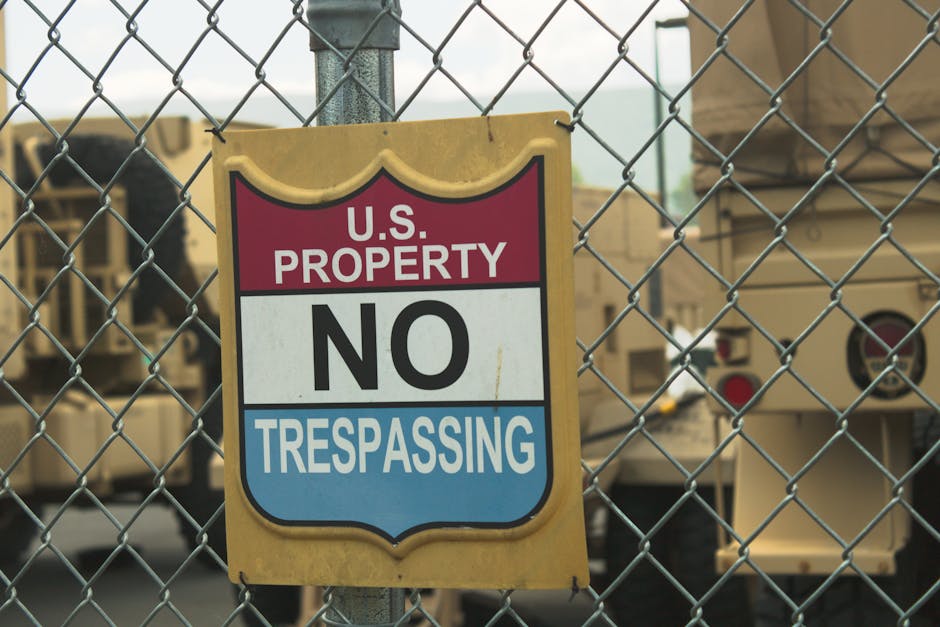
- The US plan to establish a migrant camp at Guantánamo Bay has sparked outrage from human rights organizations worldwide.
- The camp aims to ‘deal with’ Cubans fleeing a humanitarian crisis, but critics argue it would exacerbate the existing crisis.
- Cuba is facing immense pressure from the US, with sanctions crippling its economy and leaving millions without basic necessities.
- Thousands of Cubans have fled their homes in search of safety, with many attempting to reach the US, sparking concerns about the migrant camp.
- Human rights groups condemn the plan as inhumane and a blatant disregard for international law.
The announcement by the US government to establish a migrant camp at the Guantánamo Bay military base for fleeing Cubans has sent shockwaves across the globe, with dozens of human rights organizations condemning the plan as inhumane and a blatant disregard for international law. The plan, which was announced by a senior US general, aims to
“deal with” Cubans fleeing any humanitarian crisis on the island, sparking widespread criticism from human rights groups who argue that the move would only exacerbate the existing crisis. With the island nation already facing immense pressure from the US, the plan has raised serious concerns about the fate of those who would be detained at the camp.
Background to the Crisis

The crisis in Cuba has been worsening over the past year, with the US imposing stringent sanctions on the island nation, crippling its economy and leaving millions of Cubans without access to basic necessities like food and medicine. The situation has been further complicated by the COVID-19 pandemic, which has stretched the country’s already fragile healthcare system to the breaking point. As the crisis deepens, thousands of Cubans have been forced to flee their homes in search of safety and security, with many attempting to make the perilous journey to the US. The plan to establish a migrant camp at Guantánamo Bay has been widely seen as a attempt to deter these migrants from making the journey, but human rights groups argue that it would only serve to further traumatize those who have already suffered immense hardship.
The Plan and its Implications

The plan to establish a migrant camp at Guantánamo Bay would involve the detention of Cubans who attempt to flee the island, with the US government arguing that it would help to
“manage” the flow of migrants and prevent a humanitarian crisis. However, human rights groups have condemned the plan, arguing that it would be a violation of international law and would only serve to further destabilize the region. The camp would be established at the notorious Guantánamo Bay military base, which has been the site of numerous human rights abuses in the past, including the detention and torture of terrorism suspects. The plan has raised serious concerns about the treatment of those who would be detained at the camp, with many arguing that it would be a repeat of the abuses that occurred at the base in the past.
Analysis of the Crisis
The crisis in Cuba is a complex and multifaceted issue, with a range of factors contributing to the deteriorating situation on the island. The US sanctions have had a devastating impact on the country’s economy, with widespread poverty and shortages of food and medicine. The COVID-19 pandemic has further complicated the situation, stretching the country’s healthcare system to the breaking point. The plan to establish a migrant camp at Guantánamo Bay has been widely seen as a attempt to address the crisis, but human rights groups argue that it would only serve to further exacerbate the situation. A more effective solution would be to address the root causes of the crisis, including the US sanctions and the lack of access to basic necessities like food and medicine. This would require a concerted effort from the international community, including the US, to provide humanitarian aid and support to the people of Cuba.
Implications of the Plan
The implications of the plan to establish a migrant camp at Guantánamo Bay are far-reaching and would have a significant impact on the thousands of Cubans who are fleeing the island. The camp would be a traumatic and inhumane place, with detainees facing harsh conditions and treatment. The plan would also have a destabilizing effect on the region, with many arguing that it would only serve to further inflame tensions between the US and Cuba. The international community has a responsibility to act to prevent this crisis from worsening, and to ensure that the human rights of those fleeing the island are protected. This would require a concerted effort to address the root causes of the crisis, and to provide humanitarian aid and support to those who are affected.
Expert Perspectives
Human rights experts have widely condemned the plan to establish a migrant camp at Guantánamo Bay, arguing that it would be a violation of international law and would only serve to further traumatize those who have already suffered immense hardship.
“The plan to establish a migrant camp at Guantánamo Bay is a recipe for disaster,
” said one expert.
“It would be a traumatic and inhumane place, and would only serve to further destabilize the region.
” Others have argued that the plan is a attempt to distract from the real issues facing the island, including the US sanctions and the lack of access to basic necessities like food and medicine.
As the situation continues to deteriorate, it remains to be seen what the future holds for the thousands of Cubans who are fleeing the island. One thing is certain, however: the international community has a responsibility to act to prevent this crisis from worsening, and to ensure that the human rights of those fleeing the island are protected. The US government must reconsider its plan to establish a migrant camp at Guantánamo Bay, and instead work to address the root causes of the crisis. This would require a concerted effort to provide humanitarian aid and support to the people of Cuba, and to work towards a peaceful and sustainable solution to the crisis.