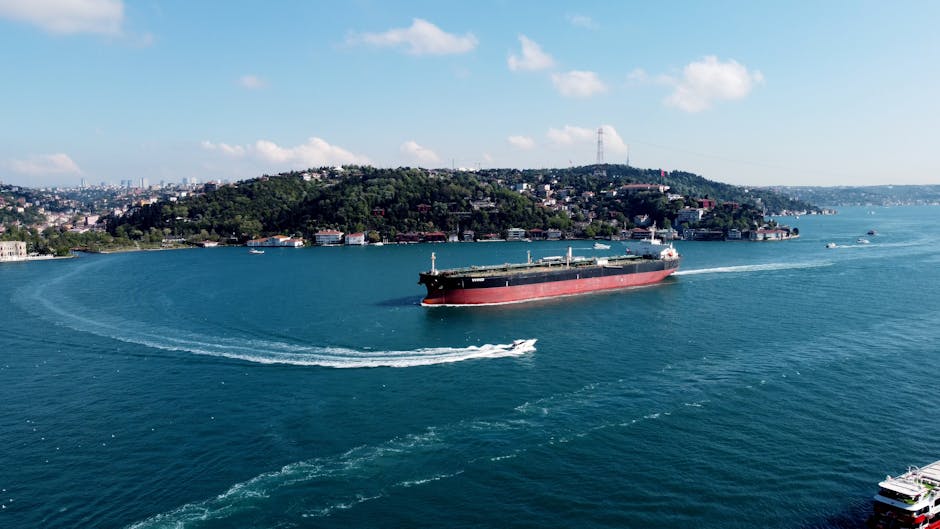
The price of U.S. oil has slipped below $100 per barrel for the first time in months, following a warning from President Donald Trump to Iran to “stop now” if it was charging tankers to transit the Strait of Hormuz. The Strait, a vital waterway that connects the Persian Gulf to the Gulf of Oman, is a critical chokepoint for global oil supplies, with approximately 20% of the world’s oil passing through it every day. The drop in oil prices is a welcome relief for consumers, but it also highlights the volatile nature of global energy markets and the significant geopolitical risks that underpin them.
The Strategic Importance of the Strait of Hormuz

The Strait of Hormuz is one of the most important waterways in the world, with a vast array of oil tankers, cargo ships, and other vessels passing through it every day. The Strait is approximately 90 miles long and 21 miles wide at its narrowest point, making it a significant bottleneck for global trade. The United States, China, and other major economies rely heavily on oil imports from the Middle East, and any disruption to supplies through the Strait could have far-reaching consequences for the global economy. As such, the Trump administration’s warning to Iran is a clear indication of the strategic importance of the Strait and the need to maintain its security and stability.
Key Details of the Dispute

The dispute between the United States and Iran over the Strait of Hormuz centers on Iran’s alleged practice of charging tankers to transit the waterway. The Iranian government has reportedly been demanding payment from tankers in exchange for safe passage, a move that the Trump administration has characterized as “extortionate” and a threat to global energy security. The United States has long been concerned about Iran’s activities in the region, including its support for militant groups and its development of ballistic missiles. The latest dispute over the Strait of Hormuz is just the latest iteration of a long-standing rivalry between the two countries, with significant implications for global oil prices and the stability of the Middle East.
Analysis of the Crisis
The crisis over the Strait of Hormuz is a complex and multifaceted issue, with a range of factors contributing to the current tensions. One key factor is the ongoing rivalry between the United States and Iran, which has been exacerbated by the Trump administration’s decision to withdraw from the Joint Comprehensive Plan of Action (JCPOA) nuclear deal. The JCPOA, which was negotiated by the Obama administration, imposed significant restrictions on Iran’s nuclear program in exchange for relief from economic sanctions. The Trump administration’s decision to withdraw from the deal has led to a significant escalation of tensions between the two countries, with the dispute over the Strait of Hormuz being just the latest example. According to experts, the crisis has the potential to escalate further, with significant implications for global oil prices and the stability of the Middle East.
Implications of the Dispute
The dispute over the Strait of Hormuz has significant implications for a range of countries, including the United States, China, and other major economies. Any disruption to oil supplies through the Strait could lead to a significant increase in global oil prices, with far-reaching consequences for the global economy. The implications of the dispute are not limited to the oil market, however, with the crisis also having significant geopolitical implications. The Trump administration’s warning to Iran is a clear indication of its commitment to maintaining the security and stability of the region, and the dispute has the potential to escalate into a wider conflict. As such, the situation is being closely watched by governments and markets around the world, with many analysts warning of the potential for a significant escalation of tensions in the coming weeks and months.
Expert Perspectives
Experts are divided on the implications of the dispute over the Strait of Hormuz, with some warning of the potential for a significant escalation of tensions and others downplaying the risks. According to Dr. Sanam Vakil, a specialist on Middle East politics at Chatham House, the dispute has the potential to escalate into a wider conflict, with significant implications for the global economy. “The Strait of Hormuz is a critical chokepoint for global oil supplies, and any disruption to supplies through the Strait could have far-reaching consequences for the global economy,” she said. “The Trump administration’s warning to Iran is a clear indication of its commitment to maintaining the security and stability of the region, and the dispute has the potential to escalate into a wider conflict.”
Looking ahead, the situation in the Strait of Hormuz is likely to remain volatile, with the potential for a significant escalation of tensions in the coming weeks and months. As such, governments and markets around the world will be closely watching the situation, with many analysts warning of the potential for a significant increase in global oil prices. According to some experts, the key to resolving the crisis will be finding a diplomatic solution that addresses the concerns of both the United States and Iran, while also maintaining the security and stability of the region. As the situation continues to unfold, one thing is clear: the dispute over the Strait of Hormuz has significant implications for the global economy, and the world will be watching with bated breath as the crisis continues to unfold.