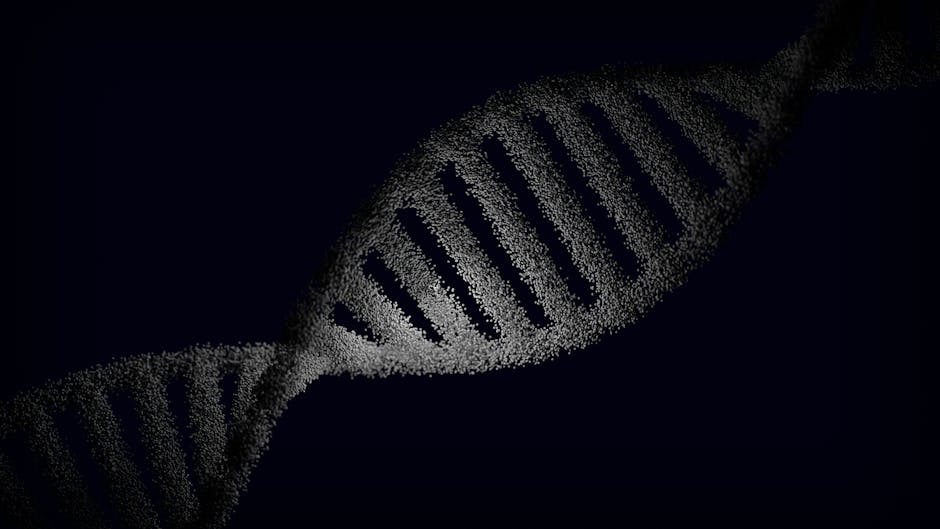
- The Double Helix is widely regarded as one of the greatest science books of all time due to its groundbreaking insights into the world of science.
- The book is both extraordinary and infuriating to read due to its casual sexism and racism, making for uncomfortable reading.
- The Double Helix provides a unique insider’s account of the discovery of the double helix structure of DNA.
- The book offers a compelling narrative that explores the human side of scientific discovery and the personalities involved in the discovery.
- The Double Helix challenges readers to reconcile its brilliant scientific content with its troubling social commentary.
The Double Helix, James Watson’s account of the discovery of the structure of DNA, is widely regarded as one of the greatest science books of all time. First published in 1968, it has been translated into more than 20 languages and has sold over a million copies. Yet, despite its extraordinary insights into the world of science, the book is also infuriating to read, with its casual sexism and racism making for uncomfortable reading. This conflicting mix of groundbreaking science and outdated attitudes makes The Double Helix a complex and thought-provoking book that challenges readers to reconcile its brilliant scientific content with its troubling social commentary.
The Discovery of the Double Helix

The discovery of the double helix structure of DNA is one of the most significant scientific breakthroughs of the 20th century, and Watson’s book provides a unique insider’s account of this process. The story of how Watson and his colleague Francis Crick deciphered the code of life is a fascinating one, involving a combination of brilliant scientific insights, clever experimentation, and a healthy dose of luck. However, the book is more than just a scientific memoir – it also provides a glimpse into the personalities and motivations of the key players involved in the discovery, including Watson, Crick, and their rivals, Rosalind Franklin and Maurice Wilkins. As such, it offers a compelling narrative that explores the human side of scientific discovery, with all its complexities and contradictions.
A Troubling Portrayal

One of the most striking aspects of The Double Helix is its portrayal of women and minorities. Watson’s depiction of Rosalind Franklin, in particular, has been widely criticized for its sexism and condescension. Franklin, who made significant contributions to the discovery of the double helix, is portrayed as difficult and uncooperative, while Watson and Crick are depicted as brilliant and charismatic. This biased portrayal has been seen as a reflection of the sexist attitudes that were prevalent in the scientific community at the time, and it makes for uncomfortable reading. Furthermore, the book’s lack of diversity and its failure to acknowledge the contributions of women and minorities to the discovery of the double helix are a troubling reminder of the exclusivity and elitism that have long characterized the scientific establishment.
Analysis and Critique
So why is The Double Helix such an extraordinary book, despite its infuriating content? One reason is that it provides a unique window into the world of science, offering a behind-the-scenes look at the personalities, politics, and passions that drive scientific discovery. The book is also a masterpiece of storytelling, with Watson’s vivid prose and engaging narrative making the complex science of DNA structure accessible to a broad audience. However, the book’s critique of the scientific establishment and its portrayal of the cutthroat world of scientific research are also significant, highlighting the tensions and rivalries that can drive innovation and progress. Ultimately, The Double Helix is a complex and multifaceted book that challenges readers to think critically about the nature of science and the people who practice it.
Implications and Legacy
The implications of The Double Helix are far-reaching, both in terms of its scientific content and its social commentary. The book’s portrayal of the discovery of the double helix has had a profound impact on our understanding of genetics and molecular biology, and its influence can be seen in everything from genetic engineering to forensic science. However, the book’s troubled legacy also serves as a reminder of the need for greater diversity and inclusion in the scientific community, and the importance of acknowledging and addressing the historical injustices that have been perpetrated against women and minorities. As such, The Double Helix is a book that continues to resonate with readers today, offering a powerful and thought-provoking exploration of the intersection of science, society, and culture.
Expert Perspectives
Experts have long been divided over the merits of The Double Helix, with some hailing it as a scientific masterpiece and others criticizing its sexist and racist attitudes. According to historian of science, Dr. Evelyn Fox Keller, ‘The Double Helix is a book that reflects the biases and prejudices of its time, but it is also a book that challenges us to think critically about the nature of science and the people who practice it.’ In contrast, scientist and feminist, Dr. Ruth Hubbard, has argued that ‘The Double Helix is a book that perpetuates the myths and stereotypes of the scientific establishment, and it is a book that we should approach with caution and critique.’ These contrasting viewpoints highlight the complexity and nuance of The Double Helix, and demonstrate the need for ongoing discussion and debate about the book’s significance and legacy.
As we look to the future, The Double Helix remains a powerful and thought-provoking book that continues to challenge and inspire readers. While its troubling content may make for uncomfortable reading, the book’s extraordinary insights into the world of science and its nuanced exploration of the human side of discovery make it a work that is both infuriating and unforgettable. As we move forward in an era of increasing awareness and activism around issues of diversity and inclusion, The Double Helix serves as a reminder of the need for ongoing critique and reflection, and the importance of acknowledging and addressing the historical injustices that have shaped the scientific community. Ultimately, the book’s legacy will continue to be debated and discussed, but its impact on our understanding of science and society is undeniable.