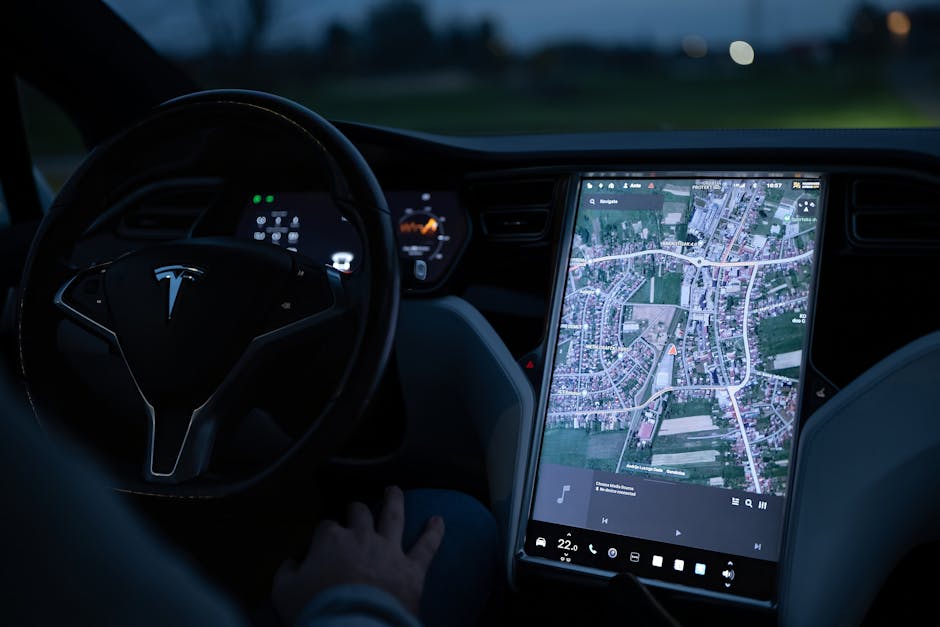
- The Netherlands has become the first European country to approve Tesla’s Full Self-Driving (FSD) technology.
- The Dutch regulator, RDW, approved FSD after conducting rigorous testing for over a year and a half.
- This development is expected to have far-reaching implications for the future of autonomous driving in Europe.
- Tesla’s FSD technology will be allowed on Dutch roads, paving the way for potential adoption in other European countries.
- The approval marks a significant milestone in the automotive industry and highlights the Netherlands’ commitment to innovation and technological advancement.
The Netherlands has made history by becoming the first European country to approve Tesla’s supervised Full Self-Driving (FSD) technology, marking a significant milestone in the automotive industry. According to reports, the Dutch regulator, RDW, announced the approval after conducting rigorous testing for over a year and a half. This development is expected to have far-reaching implications for the future of autonomous driving in Europe and beyond. With this approval, Tesla’s FSD technology will be allowed on Dutch roads, paving the way for potential adoption in other European countries.
Background and Significance

The approval of Tesla’s FSD technology in the Netherlands is a significant development that highlights the country’s commitment to innovation and technological advancement. The Dutch government has been actively promoting the development and testing of autonomous vehicles, recognizing their potential to improve road safety, reduce traffic congestion, and enhance mobility. As a result, the Netherlands has become a hub for autonomous vehicle testing and development, attracting major players like Tesla. The approval of FSD technology is a testament to the country’s forward-thinking approach and its willingness to embrace new technologies that can benefit society.
Key Details and Testing Process

The testing process for Tesla’s FSD technology in the Netherlands was rigorous and thorough, involving extensive evaluation of the system’s performance in various scenarios and conditions. The RDW conducted a series of tests to assess the technology’s ability to navigate complex road networks, respond to emergency situations, and interact with other road users. Tesla’s FSD technology uses a combination of sensors, cameras, and artificial intelligence to enable vehicles to drive autonomously, and the testing process aimed to ensure that the system meets the highest safety standards. With the approval of FSD technology, Tesla can now deploy its autonomous vehicles on Dutch roads, subject to certain conditions and regulations.
Analysis and Implications
The approval of Tesla’s FSD technology in the Netherlands has significant implications for the automotive industry and the future of autonomous driving. It is expected to pave the way for wider adoption of autonomous vehicles across Europe, as other countries may follow the Netherlands’ lead in approving FSD technology. The development also underscores the importance of regulatory frameworks in supporting the growth of autonomous vehicle technology. As the industry continues to evolve, it is likely that we will see more countries adopting similar regulatory approaches to facilitate the development and deployment of autonomous vehicles. Furthermore, the approval of FSD technology is expected to have a positive impact on road safety, as autonomous vehicles have the potential to significantly reduce the number of accidents caused by human error.
Implications and Future Outlook
The approval of Tesla’s FSD technology in the Netherlands is expected to have a significant impact on the country’s transportation sector, with potential benefits for commuters, businesses, and the environment. Autonomous vehicles can improve traffic flow, reduce congestion, and enhance mobility for the elderly and disabled. Additionally, the development of autonomous vehicle technology can create new job opportunities and stimulate economic growth. As the Netherlands continues to lead the way in autonomous vehicle development, it is likely that other European countries will follow suit, leading to a wider adoption of FSD technology across the continent.
Expert Perspectives
Experts in the field of autonomous vehicle technology have welcomed the approval of Tesla’s FSD technology in the Netherlands, citing its potential to revolutionize the transportation sector. According to some experts, the development of autonomous vehicle technology is crucial for improving road safety and reducing traffic congestion. Others have highlighted the need for regulatory frameworks to support the growth of autonomous vehicle technology, ensuring that the benefits of the technology are realized while minimizing its risks. As the industry continues to evolve, it is likely that we will see more experts weighing in on the potential benefits and challenges of autonomous vehicle technology.
Looking ahead, the approval of Tesla’s FSD technology in the Netherlands raises important questions about the future of autonomous driving in Europe and beyond. As other countries consider adopting similar regulatory approaches, it is likely that we will see a wider adoption of FSD technology across the continent. However, there are still many challenges to be addressed, including concerns about safety, liability, and public acceptance. As the industry continues to navigate these challenges, it is clear that the approval of Tesla’s FSD technology in the Netherlands marks an important milestone in the development of autonomous vehicle technology.