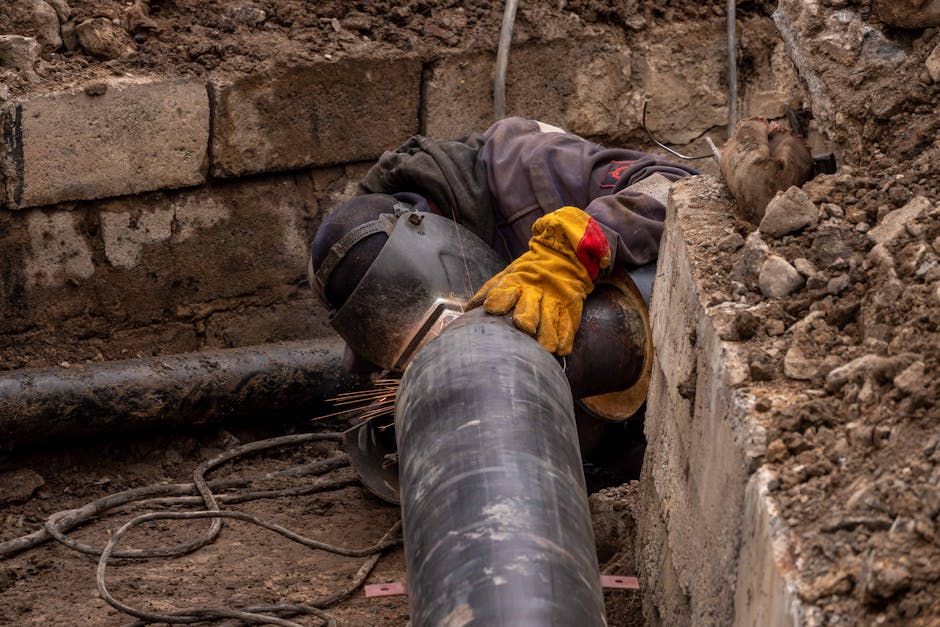
- Saudi Arabia’s East-West pipeline, a 750-mile oil transportation artery, has been restored to full capacity.
- The pipeline’s restoration is a significant relief to global energy markets, which had been watching the situation in Saudi Arabia closely.
- The East-West pipeline is a vital component of Saudi Arabia’s oil infrastructure, connecting eastern oil fields to the western port city of Yanbu.
- Restoration of the pipeline has implications for global energy prices and the stability of the global economy.
- The pipeline’s full capacity is 5 million barrels per day, a critical oil transportation artery in Saudi Arabia.
Saudi Arabia’s energy ministry announced on Sunday that the East-West pipeline, a critical oil transportation artery, has been restored to full capacity. This development comes as a significant relief to global energy markets, which have been closely watching the situation in Saudi Arabia following recent disruptions to the kingdom’s oil production and transportation infrastructure. The restoration of the pipeline, which spans over 750 miles and has a capacity of 5 million barrels per day, is a testament to the kingdom’s efforts to ensure the stability and security of global energy supplies.
Background and Significance

The East-West pipeline is a vital component of Saudi Arabia’s oil infrastructure, connecting the kingdom’s eastern oil fields with the western port city of Yanbu, where oil is loaded onto tankers for export. The pipeline’s importance cannot be overstated, as it provides a secure and efficient means of transporting oil from the kingdom’s eastern region to global markets. The recent disruptions to the pipeline, caused by drone attacks on key oil facilities, had raised concerns about the potential impact on global energy prices and the stability of the global economy. As such, the restoration of the pipeline to full capacity is a significant development that is likely to have far-reaching implications for the global energy market.
Pipeline Restoration and Oil Production

According to the energy ministry, output from Saudi Aramco’s offshore Manifa oil production facility has also been restored, following the completion of repair work. The Manifa facility is one of the kingdom’s largest oil fields, with a production capacity of over 900,000 barrels per day. While work continues at the Khurais onshore complex, which was also affected by the recent disruptions, the restoration of the Manifa facility is a significant step towards restoring the kingdom’s oil production to pre-disruption levels. The energy ministry has stated that the restoration of the East-West pipeline and the Manifa facility is a result of the kingdom’s efforts to ensure the stability and security of global energy supplies, and to mitigate the impact of the recent disruptions on the global economy.
Causes and Effects of the Disruptions
The recent disruptions to Saudi Arabia’s oil production and transportation infrastructure were caused by drone attacks on key oil facilities, which resulted in significant damage and disruption to the kingdom’s oil output. The attacks, which were claimed by Yemen’s Houthi rebels, highlighted the vulnerability of the kingdom’s oil infrastructure to external threats and raised concerns about the potential impact on global energy prices. According to experts, the disruptions had the potential to increase global energy prices by up to 10%, which would have had far-reaching implications for the global economy. However, the swift restoration of the East-West pipeline and the Manifa facility has mitigated the impact of the disruptions, and global energy prices have remained relatively stable.
Implications and Future Outlook
The restoration of the East-West pipeline to full capacity has significant implications for the global energy market, as it ensures the stability and security of global energy supplies. The development is also likely to have a positive impact on the global economy, as it reduces the risk of increased energy prices and provides a boost to economic growth. According to experts, the restoration of the pipeline is a significant development that is likely to support the growth of the global economy, particularly in regions that are heavily reliant on oil imports. However, the recent disruptions have also highlighted the need for increased investment in the security and stability of the kingdom’s oil infrastructure, in order to mitigate the risk of future disruptions and ensure the long-term stability of the global energy market.
Expert Perspectives
Experts have welcomed the restoration of the East-West pipeline, stating that it is a significant development that will have far-reaching implications for the global energy market. According to Dr. Fatih Birol, Executive Director of the International Energy Agency, the restoration of the pipeline is a significant step towards ensuring the stability and security of global energy supplies. However, other experts have cautioned that the recent disruptions highlight the need for increased investment in the security and stability of the kingdom’s oil infrastructure, in order to mitigate the risk of future disruptions and ensure the long-term stability of the global energy market.
Looking ahead, the restoration of the East-West pipeline raises important questions about the future of the global energy market and the role of Saudi Arabia in ensuring the stability and security of global energy supplies. As the global energy landscape continues to evolve, it is likely that the kingdom will play an increasingly important role in shaping the future of the global energy market. According to experts, the key question is whether the kingdom will be able to maintain the stability and security of its oil infrastructure, in order to support the growth of the global economy and ensure the long-term stability of the global energy market.