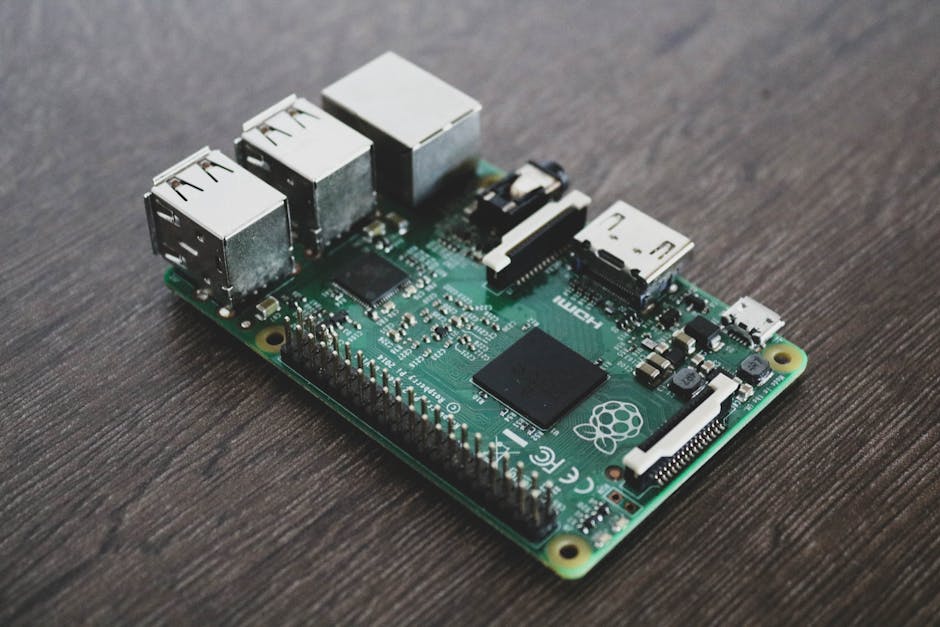
- Oberon System 3 is a significant milestone for Raspberry Pi, bringing efficiency and simplicity to a large user base.
- The system was designed for reliability and ease of use, making it ideal for hobbyists and educators.
- Oberon System 3 boasts modern hardware and networking capabilities, making it a competitive option for single-board computers.
- The joint efforts of the Oberon community and the Raspberry Pi foundation made the implementation possible.
- This breakthrough has the potential to impact over 10 million Raspberry Pi users worldwide.
The Raspberry Pi 3, a credit-card sized computer, has achieved a significant milestone with the successful implementation of Oberon System 3, a operating system designed for simplicity and efficiency. This development is a testament to the dedication of the Oberon community, who have been working tirelessly to bring this system to the popular single-board computer. With over 10 million Raspberry Pi units sold worldwide, this breakthrough has the potential to impact a large and diverse group of users, from hobbyists to educators.
Oberon System 3: A Brief History

Oberon System 3 is the latest iteration of the Oberon operating system, which was first developed in the 1980s at ETH Zurich. The system was designed to be a highly efficient and simple operating system, with a focus on reliability and ease of use. Over the years, the Oberon community has continued to evolve and improve the system, with numerous updates and enhancements. The latest version, Oberon System 3, boasts a range of new features and improvements, including support for modern hardware and networking capabilities. As the Raspberry Pi 3 is one of the most popular single-board computers on the market, the implementation of Oberon System 3 on this platform is a significant achievement.
Implementation Details

The implementation of Oberon System 3 on the Raspberry Pi 3 was made possible through the joint efforts of the Oberon community and the Raspberry Pi foundation. The team worked tirelessly to optimize the system for the Raspberry Pi 3’s hardware, ensuring seamless performance and compatibility. The result is a fully functional operating system that can be easily installed on the Raspberry Pi 3 using a ready-to-use SD card. This development is expected to open up new possibilities for users, from education and research to hobbyist projects and DIY applications. With the Oberon System 3, users can now take advantage of the Raspberry Pi 3’s capabilities, including its quad-core processor and wireless connectivity.
Analysis and Implications
The successful implementation of Oberon System 3 on the Raspberry Pi 3 has significant implications for the broader tech community. For one, it demonstrates the versatility and adaptability of the Raspberry Pi platform, which can now run a wide range of operating systems, from Linux to Oberon. Furthermore, this development highlights the importance of community-driven projects, which can lead to innovative solutions and new applications. As the internet of things (IoT) continues to grow and evolve, the need for efficient and reliable operating systems like Oberon System 3 will become increasingly important. With the Raspberry Pi 3’s widespread adoption, this breakthrough has the potential to impact a wide range of industries, from healthcare to manufacturing.
Impact and Future Prospects
The implementation of Oberon System 3 on the Raspberry Pi 3 is expected to have a significant impact on the user community, particularly in the areas of education and research. With its ease of use and high reliability, the Oberon System 3 is an ideal platform for students and researchers, who can now take advantage of the Raspberry Pi 3’s capabilities to develop innovative projects and applications. Moreover, this development is likely to attract new users to the Raspberry Pi platform, who are looking for a simple and efficient operating system. As the Oberon community continues to evolve and improve the system, we can expect to see new and exciting applications emerge, from IoT devices to artificial intelligence and machine learning.
Expert Perspectives
Experts in the field have welcomed the implementation of Oberon System 3 on the Raspberry Pi 3, citing its potential to drive innovation and creativity. According to Dr. Niklaus Wirth, the creator of the Oberon operating system, “this development is a major milestone for the Oberon community, and demonstrates the power of community-driven projects.” Dr. Eben Upton, the founder of the Raspberry Pi foundation, adds that “the implementation of Oberon System 3 on the Raspberry Pi 3 is a testament to the versatility and adaptability of our platform, and we are excited to see the innovative applications that will emerge from this development.” With such endorsements, it is clear that the implementation of Oberon System 3 on the Raspberry Pi 3 is a significant achievement that will have far-reaching implications.
As we look to the future, it will be interesting to see how the Oberon System 3 evolves and improves, and what new applications and innovations emerge from this development. Will the Oberon System 3 become a popular choice for Raspberry Pi users, and how will it impact the broader tech community? Only time will tell, but one thing is certain – the implementation of Oberon System 3 on the Raspberry Pi 3 is a significant milestone that will have a lasting impact on the world of technology.