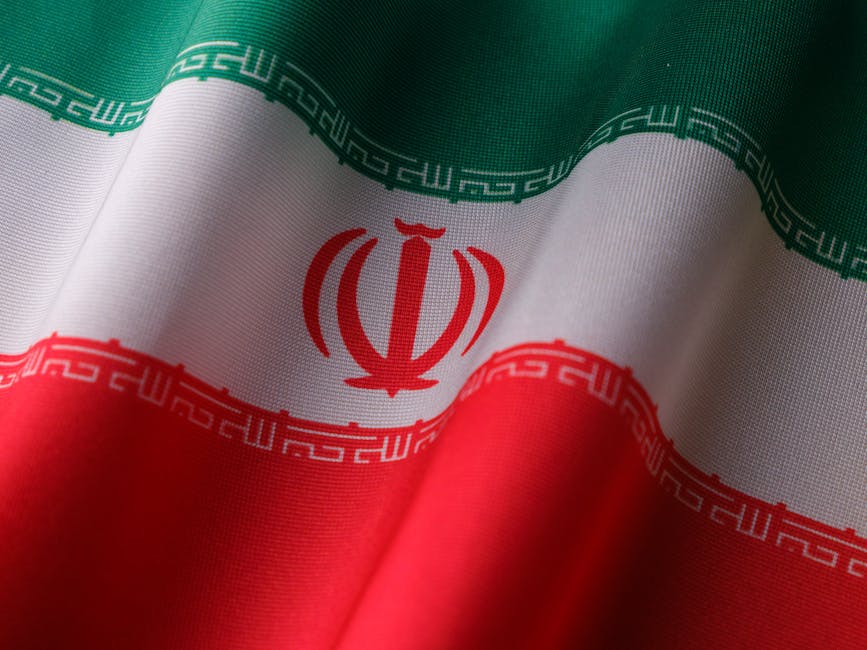
- Iran’s top negotiator Abbas Araqchi demands trust from the US before negotiations can proceed.
- Escalating tensions between the US and Iran have led to a series of provocations and retaliations.
- The US withdrawal from the 2015 Iran nuclear deal has reinforced Iran’s skepticism regarding US sincerity.
- The Strait of Hormuz is a strategic chokepoint through which a significant portion of the world’s oil supply passes daily.
- The situation in US-Iran relations has severe global economic implications due to the Strait’s importance.
In a significant diplomatic statement, Iran’s top negotiator, Abbas Araqchi, has emphasized that the United States must first earn the trust of Tehran before any meaningful negotiations can take place. This comes at a time when tensions between the two nations have been escalating, particularly in light of recent remarks by U.S. President Donald Trump, who directed the U.S. Navy to “interdict” ships that pay a toll to Iran for passage through the Strait of Hormuz. Araqchi’s comments reflect a deep-seated skepticism within the Iranian government regarding the sincerity and reliability of U.S. commitments, a sentiment that has been reinforced by years of diplomatic back-and-forth and the unilateral withdrawal from the 2015 Iran nuclear deal.
The Rising Stakes in U.S.-Iran Relations

The current state of U.S.-Iran relations is marked by a series of provocations and retaliations, each side accusing the other of violating international norms and agreements. President Trump’s latest directive to the U.S. Navy is a clear escalation, targeting Iran’s ability to generate revenue from critical maritime routes. This move has been met with strong condemnation from Tehran, which sees it as a provocative act that further erodes any remaining trust. The situation is particularly tense given the global economic implications of the Strait of Hormuz, through which a significant portion of the world’s oil supply passes daily, making it a strategic chokepoint.
The Context of Araqchi’s Statement

Abbas Araqchi, a seasoned diplomat and deputy foreign minister, made his remarks in the context of ongoing efforts to salvage the Joint Comprehensive Plan of Action (JCPOA), commonly known as the Iran nuclear deal. The deal, which aimed to limit Iran’s nuclear program in exchange for sanctions relief, has been in jeopardy since the U.S. withdrew in 2018 and reimposed harsh economic sanctions. Araqchi’s call for trust is not just a diplomatic gesture but a reflection of the realpolitik that Iran faces in a world where its economic survival is increasingly threatened by U.S. policies. The statement also highlights the internal pressure on the Iranian government to stand firm against what it perceives as U.S. aggression.
Expert Analysis: The Roots of Distrust
The distrust between Iran and the United States is deeply rooted in a history of failed negotiations and broken promises. Experts point to the U.S. withdrawal from the 2015 nuclear deal and the subsequent reimposition of sanctions as a major factor in the current impasse. These actions have significantly weakened Iran’s economy, leading to a 50% drop in oil exports and a sharp decline in foreign investment. Moreover, the U.S. has been accused of engaging in covert operations and cyberattacks against Iranian infrastructure, further fueling the mistrust. Dr. Nader Uskowi, a Middle East expert at the Atlantic Council, notes that “Iran’s insistence on trust is a practical measure, given the repeated instances of U.S. backtracking and hostility.”
The Implications for Regional Stability
The rising tensions between Iran and the United States have far-reaching implications for regional stability and global energy markets. The Strait of Hormuz, a narrow waterway connecting the Persian Gulf and the Gulf of Oman, is a critical artery for global oil trade, with approximately 20% of the world’s oil passing through it. Any disruption in this vital route could lead to a spike in oil prices and destabilize the global economy. Additionally, the heightened military presence in the region increases the risk of accidental confrontations, which could spiral into broader conflicts. The international community, including key European allies, is closely monitoring the situation, calling for de-escalation and a return to diplomatic channels.
Expert Perspectives
While some experts, like Dr. Uskowi, argue that Iran’s demand for trust is justified given the U.S. track record, others see it as a negotiating tactic to gain leverage. Dr. Trita Parsi, president of the National Iranian American Council, suggests that “Iran’s stance is a way to force the U.S. to recognize the consequences of its actions and to reconsider its hostile approach.” Conversely, Dr. Michael Eisenstadt of the Washington Institute for Near East Policy believes that “Iran’s trust requirement is a high bar that the U.S. is unlikely to meet, and it may be a prelude to more aggressive Iranian actions in the region.”
As the situation continues to evolve, the international community will be watching closely for signs of de-escalation or further confrontation. The coming weeks and months will be crucial in determining whether the two sides can find a path forward or whether the region will face another period of heightened tension and instability. What steps will the U.S. take to address Iran’s concerns, and will Iran be willing to engage in talks under the current conditions?