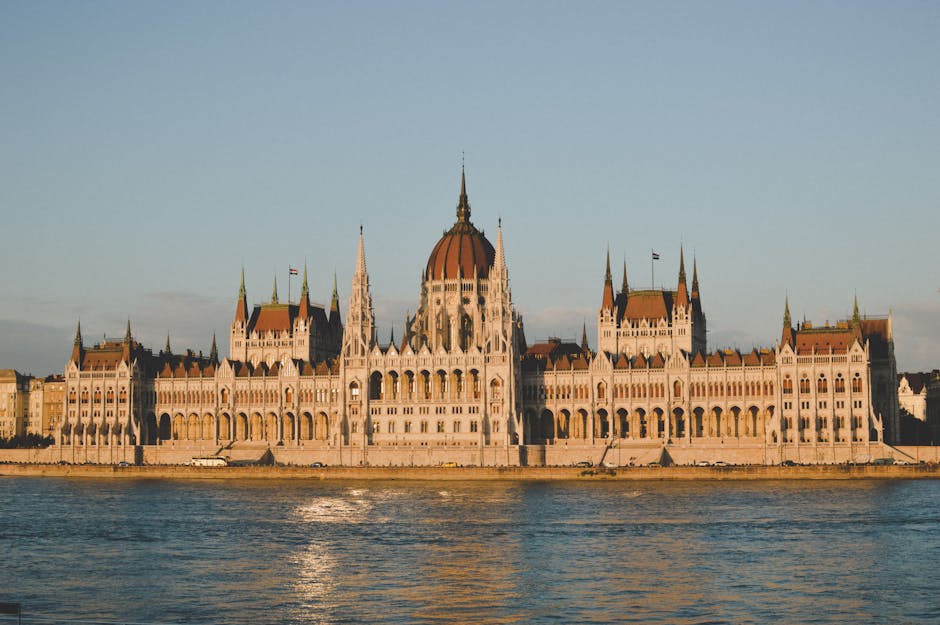
- Hungary’s pivotal election will determine the fate of PM Viktor Orban, who has been in power for 16 years.
- Opposition parties have gained momentum, posing a significant threat to Orban’s rule after years of dominance.
- The election has the potential to reshape Hungary’s political landscape and impact relations with the EU and other global partners.
- Orban’s policies have been praised for promoting national sovereignty but criticized for undermining democratic institutions and fostering corruption.
- The opposition, led by Peter Marki-Zay, has unified in an effort to unseat Orban and reverse some of his contentious policies.
Hungary is witnessing a pivotal moment in its history as voters head to the polls to determine the fate of Prime Minister Viktor Orban, who has been in power for 16 years. Orban, known for his populist and nationalist stance, faces his toughest election challenge yet, with opposition parties gaining momentum and posing a significant threat to his rule. The parliamentary election is being closely watched, both domestically and internationally, as it has the potential to reshape the country’s political landscape and impact its relationships with the European Union and other global partners.
The Road to the Election

The current election is a culmination of years of political tensions and societal shifts in Hungary. Orban’s Fidesz party has dominated the political scene since 2006, with the Prime Minister implementing policies that have been praised by his supporters for promoting national sovereignty and criticized by his detractors for undermining democratic institutions and fostering corruption. The opposition, comprising a broad coalition of parties, has managed to unify behind a single candidate, Peter Marki-Zay, in an effort to unseat Orban and reverse some of his most contentious policies. This background of political polarization and the unification of the opposition make the current election a critical moment for Hungary’s future.
Key Players and Issues

The election involves key players beyond Orban and Marki-Zay, including other political parties and external factors such as the European Union, which has been at odds with Orban’s government over issues like judicial independence, media freedom, and migration policy. The campaign has focused on issues like the economy, corruption, and Hungary’s relationship with the EU, with the opposition promising to root out corruption and align Hungary more closely with European values. Orban’s campaign, on the other hand, has emphasized the need for strong national leadership and the protection of Hungarian identity and interests. The involvement of these players and the emphasis on these issues highlight the complexity and the high stakes of the election.
Analysis and Projections
Analysts point to several factors that could influence the election’s outcome, including voter turnout, the effectiveness of the opposition’s campaign strategy, and the impact of external events such as the war in Ukraine. Economic factors, such as the cost of living and the management of the pandemic, are also likely to play a significant role in voters’ decisions. Data from pre-election polls suggests a tight race, with some indicating that the opposition could potentially win a majority of seats in the parliament, while others predict that Fidesz might still maintain its grip on power. Experts warn, however, that the election’s outcome is far from certain, given the complexities of Hungarian electoral law and the potential for last-minute shifts in public opinion.
Implications of the Election
The implications of this election are far-reaching, affecting not only Hungary’s internal political dynamics but also its external relationships and its position within the European Union. If Orban’s Fidesz party loses, it could lead to a significant shift in Hungary’s policy orientation, potentially resulting in better relations with EU partners and reforms aimed at strengthening democratic institutions. On the other hand, if Orban manages to secure another term, it could embolden his government to continue with policies that have drawn criticism from the EU and other international bodies, potentially leading to further isolation and conflict. The outcome will also be closely watched by other European countries, as it may have implications for the broader balance of power within the EU.
Expert Perspectives
Experts offer contrasting viewpoints on the potential outcomes and implications of the election. Some see the election as a critical moment for the consolidation of democracy in Hungary, arguing that a change in government could lead to significant improvements in the rule of law, media freedom, and the protection of minority rights. Others, however, caution that the challenges facing Hungary are deep-seated and will not be easily resolved, regardless of who wins the election. They point to the need for systemic reforms and a long-term commitment to rebuilding trust in institutions and fostering a more inclusive political culture.
Looking ahead, the key question is what the post-election landscape will look like and how the winners will choose to govern. Will there be a period of political instability as a new government seeks to assert its authority, or will there be a smooth transition of power? How will the European Union and other international partners respond to the election’s outcome, and what implications will this have for Hungary’s position on the global stage? These questions underscore the significance of the current moment in Hungarian politics and highlight the need for continued attention and analysis as the situation unfolds.