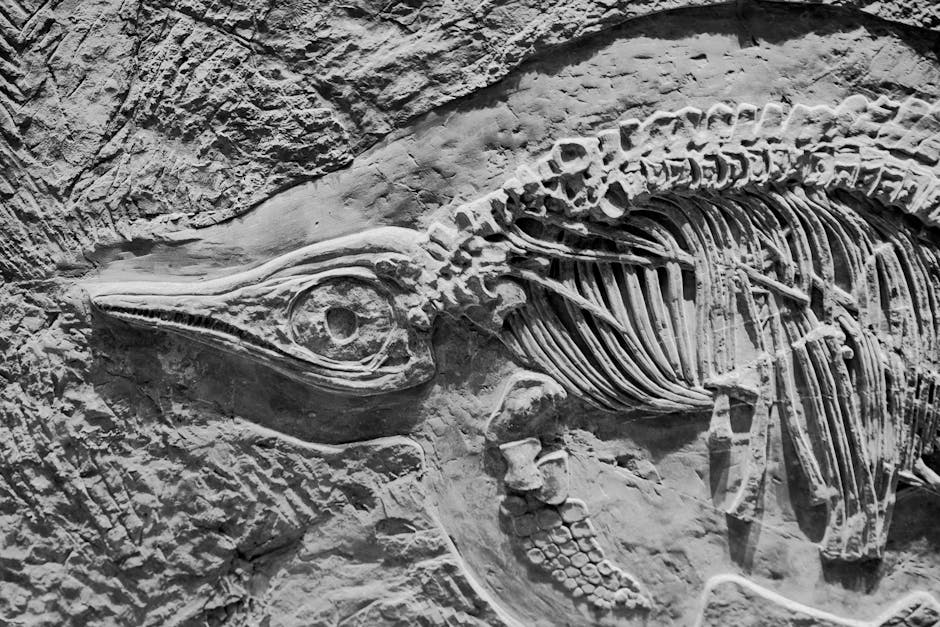
- The human body is a patchwork of evolutionary compromise, with many flaws and imperfections.
- The human eye has a blind spot in the center of the visual field and is prone to diseases and disorders.
- The human spine is prone to back pain and injury, making it a common source of discomfort.
- The human knee is susceptible to arthritis and other problems due to its complex structure.
- The human body’s complex and variable systems have led to a range of imperfections and inefficiencies.
The human body is often described as a marvel of “perfect design”: elegant, efficient and finely tuned for its purpose. However, when we look closer, a rather different picture emerges. The human body is, in fact, a patchwork of evolutionary compromise, with many flaws and imperfections that have arisen as a result of its complex and often haphazard evolution. For example, the human eye is often cited as a masterpiece of design, but it is actually a rather imperfect organ, with a blind spot in the center of the visual field and a tendency to be affected by a range of diseases and disorders. Similarly, the human spine is prone to back pain and injury, and the human knee is susceptible to arthritis and other problems.
The Evolutionary History of the Human Body

The human body has evolved over millions of years, with many different species contributing to its development. As a result, it is a highly complex and variable system, with many different parts and functions that have arisen at different times and in different contexts. This has led to a range of imperfections and inefficiencies, as different systems and organs have had to adapt to changing environments and circumstances. For example, the human brain is a highly energy-intensive organ, but it is also highly vulnerable to injury and disease. Similarly, the human immune system is highly effective at fighting off infections, but it can also be prone to over-reaction and auto-immune disorders.
The Anatomy of Imperfection

One of the most striking examples of the human body’s imperfections is its anatomy. The human body has many vestigial features, such as the appendix and the wisdom teeth, which are thought to have lost their original function through evolution. It also has many examples of poor design, such as the narrow birth canal and the vulnerable nature of the spinal cord. Additionally, the human body is highly susceptible to a range of diseases and disorders, from cancer and heart disease to mental health conditions and neurological disorders. These imperfections and vulnerabilities are a natural consequence of the human body’s evolutionary history, and they have significant implications for our health and wellbeing.
Understanding the Causes of Imperfection
So why is the human body so imperfect? One reason is that evolution is a slow and incremental process, which often results in compromises and trade-offs. For example, the human body’s upright posture may have been advantageous for walking and running, but it has also led to a range of problems, including back pain and knee injuries. Similarly, the human brain’s high energy requirements may have been necessary for its advanced cognitive functions, but they have also made it highly vulnerable to injury and disease. Another reason for the human body’s imperfections is that evolution is often driven by random genetic mutations, which can have unpredictable and unintended consequences. This can lead to a range of genetic disorders and diseases, from cystic fibrosis to sickle cell anemia.
The Implications of Imperfection
The imperfections of the human body have significant implications for our health and wellbeing. They can make us more susceptible to disease and injury, and they can also limit our physical and mental abilities. For example, the human body’s narrow birth canal can make childbirth difficult and dangerous, while its vulnerable spinal cord can make us prone to back pain and injury. Additionally, the human body’s imperfections can have significant economic and social implications, from the costs of healthcare and lost productivity to the impacts on our quality of life and wellbeing. By understanding the imperfections of the human body, we can better appreciate the challenges and complexities of human health, and we can work to develop more effective treatments and interventions.
Expert Perspectives
Experts in the field of evolutionary biology and medicine have contrasting viewpoints on the imperfections of the human body. Some argue that the human body’s flaws and imperfections are a natural consequence of its evolutionary history, and that they have been shaped by a range of factors, including genetic drift, natural selection, and environmental pressures. Others argue that the human body’s imperfections are a result of its highly complex and variable nature, and that they can be addressed through advances in medical technology and healthcare. For example, genetic engineering and gene editing may offer new possibilities for treating genetic disorders, while advances in prosthetics and assistive technologies may help to mitigate the impacts of physical disabilities.
Looking to the future, it is clear that the imperfections of the human body will continue to be a major challenge for human health and wellbeing. As our understanding of the human body and its evolution continues to grow, we may be able to develop more effective treatments and interventions for a range of diseases and disorders. However, we must also recognize the limitations and complexities of the human body, and work to develop more nuanced and realistic expectations about its capabilities and vulnerabilities. By doing so, we can promote a healthier and more sustainable relationship between humans and their environment, and we can work to create a brighter and more equitable future for all.