- Rising fuel costs have led to a decline of up to 30% in earnings for gig drivers.
- Gig drivers face a perfect storm of increased fuel costs and stagnant earnings.
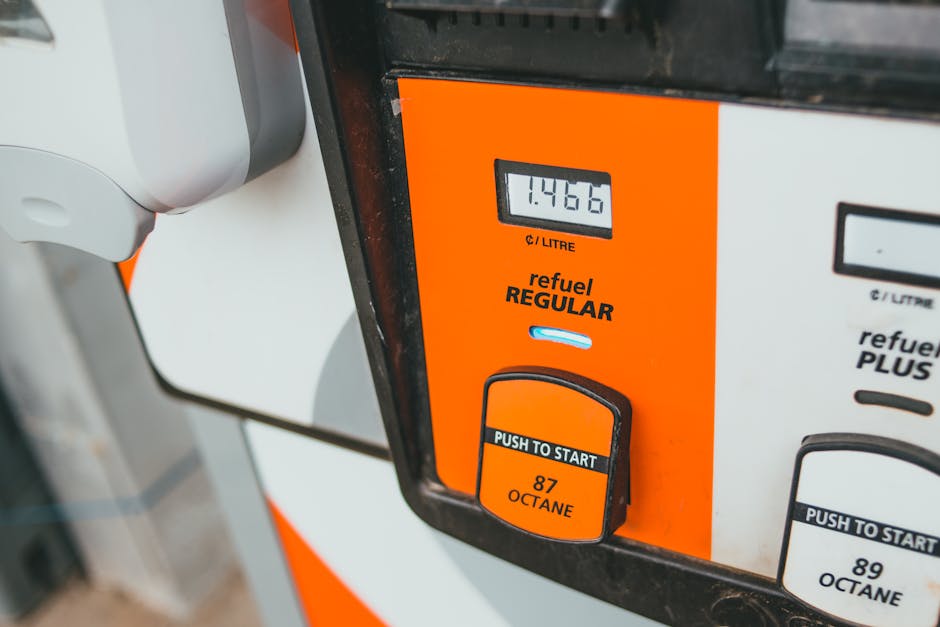
- The national average fuel price has increased by over 20% in the past year alone.
- Gig drivers are classified as independent contractors, responsible for their own expenses.
- Relief measures introduced by Uber and Lyft may not be enough to address the challenges faced by drivers.
The surge in fuel prices has made it increasingly difficult for gig drivers to make a living, with some reporting a decline of up to 30% in their earnings. As the cost of gasoline continues to rise, ride-hailing companies Uber and Lyft have introduced relief measures to help mitigate the impact on their drivers. However, many drivers argue that these measures are insufficient and do not adequately address the unprecedented challenges they face. With fuel prices showing no signs of abating, the struggle to make a living as a gig driver has never been more daunting.
The Perfect Storm: Rising Fuel Costs and Stagnant Earnings

The current situation is a perfect storm of rising fuel costs and stagnant earnings, which has created a significant burden for gig drivers. The rise in fuel prices has been relentless, with the national average increasing by over 20% in the past year alone. At the same time, the earnings of gig drivers have remained largely stagnant, leaving them with little room to absorb the increased costs. As a result, many drivers are struggling to break even, let alone turn a profit. The situation is further complicated by the fact that gig drivers are classified as independent contractors, which means they are responsible for their own expenses, including fuel, maintenance, and insurance.
Relief Measures: A Drop in the Ocean?

In response to the growing concerns of their drivers, Uber and Lyft have introduced relief measures aimed at helping them cope with the rising fuel costs. These measures include a temporary fuel surcharge, which will be added to the fare of each ride, as well as a program to help drivers save on fuel costs. While these measures are a step in the right direction, many drivers argue that they are insufficient and do not go far enough in addressing the root causes of the problem. For example, the fuel surcharge is only a temporary measure, and it is unclear how long it will remain in place. Furthermore, the program to help drivers save on fuel costs is limited in scope and does not provide adequate support to drivers who are struggling to make ends meet.
Analysis: The Broader Implications
The impact of rising fuel costs on gig drivers is not just a matter of individual concern; it also has broader implications for the gig economy as a whole. The gig economy is built on the premise of flexibility and convenience, but the current situation is highlighting the vulnerabilities of this model. As fuel costs continue to rise, it is likely that more and more drivers will be forced to reevaluate their participation in the gig economy, which could have a significant impact on the availability and reliability of ride-hailing services. Furthermore, the situation is also likely to exacerbate existing concerns around the exploitation of gig workers, who are often forced to bear the brunt of external factors beyond their control.
Implications: A Tough Road Ahead
The implications of the current situation are far-reaching and will be felt by gig drivers, ride-hailing companies, and consumers alike. As fuel costs continue to rise, gig drivers will be forced to confront the harsh reality of their situation, which may involve reducing their hours, seeking alternative sources of income, or even abandoning the gig economy altogether. Ride-hailing companies will also need to adapt to the new reality, which may involve implementing more permanent solutions to mitigate the impact of fuel costs on their drivers. Consumers, too, will be affected, as the availability and reliability of ride-hailing services may be compromised if a significant number of drivers are forced to leave the platform.
Expert Perspectives
Experts are divided on the best way to address the challenges faced by gig drivers, with some arguing that ride-hailing companies need to do more to support their drivers, while others believe that the solution lies in greater regulation of the gig economy. According to one expert, “The gig economy is built on the premise of flexibility and convenience, but it is also built on the backs of workers who are often exploited and undervalued. Ride-hailing companies need to take greater responsibility for the welfare of their drivers and provide them with more comprehensive support, including benefits, job security, and a living wage.” On the other hand, another expert argues that “The solution to the problems faced by gig drivers lies in greater regulation of the gig economy, including the implementation of minimum wage laws, workers’ compensation, and other protections that are typically afforded to traditional employees.”
As the situation continues to unfold, it remains to be seen how ride-hailing companies, regulators, and gig drivers will respond to the challenges posed by rising fuel costs. One thing is certain, however: the gig economy is at a crossroads, and the decisions made in the coming months will have a significant impact on the future of work and the livelihoods of millions of people around the world. As one expert notes, “The gig economy is a complex and multifaceted phenomenon that requires a nuanced and comprehensive approach. We need to be careful not to throw the baby out with the bathwater, but at the same time, we need to recognize the need for greater regulation and protection of gig workers.”