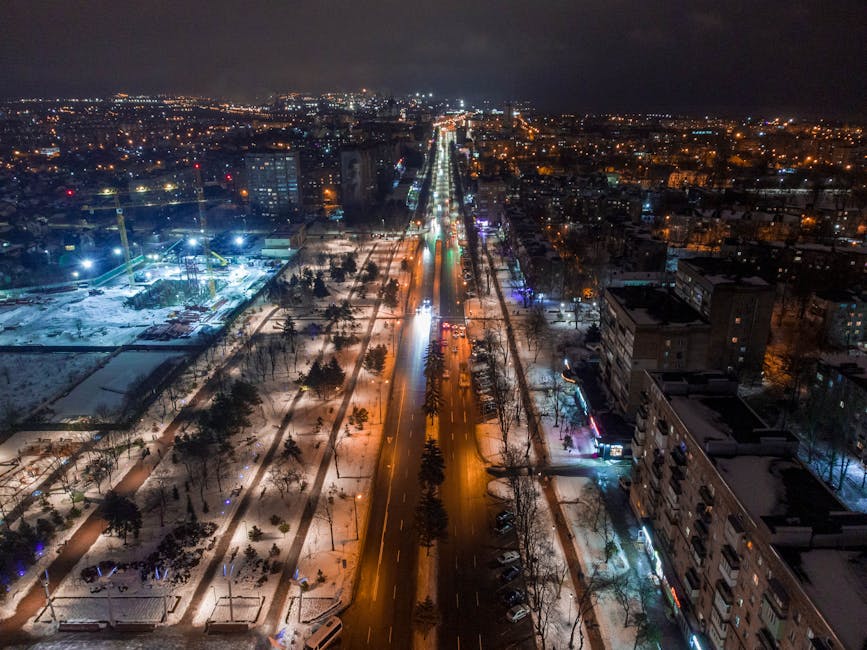
As the world celebrated Easter, Ukrainians in the war-torn city of Kharkiv marked the holiday with muted festivities, their grim mood a stark reflection of the fleeting nature of the weekend truce. Despite the temporary ceasefire, residents of Kharkiv and other affected areas remain skeptical of a lasting peace, bracing themselves for the inevitable resumption of hostilities. The truce, though a welcome respite, has done little to alleviate the deep-seated fears and anxieties that have become an integral part of life in Ukraine. With the conflict showing no signs of abating, the people of Ukraine are left to wonder if a real and lasting peace is even possible.
The Fragile State of Peace in Ukraine

The Easter truce, though a commendable effort, highlights the complexities and challenges inherent in bringing about a lasting peace in Ukraine. The conflict, now in its second year, has created a climate of mistrust and suspicion, making it increasingly difficult for the warring parties to find common ground. The Ukrainian people, caught in the midst of this protracted conflict, are paying a heavy price, their lives disrupted by the constant threat of violence and instability. As the international community continues to grapple with the crisis, it is becoming increasingly clear that a comprehensive and sustainable solution will require a concerted effort from all parties involved.
Key Developments in the Conflict

The recent truce, though short-lived, has provided a glimpse into the dynamics at play in the conflict. The Ukrainian government, backed by Western allies, has been engaged in a fierce battle with Russian-backed separatists, who control large swaths of territory in eastern Ukraine. The conflict has resulted in significant human suffering, with thousands of civilians caught in the crossfire. The international community has been vocal in its condemnation of the violence, with many calling for a peaceful resolution to the crisis. However, with both sides dug in and refusing to budge, a lasting peace seems as elusive as ever.
Understanding the Root Causes of the Conflict
To comprehend the complexities of the Ukrainian conflict, it is essential to examine the underlying causes of the crisis. The conflict is, in many ways, a manifestation of deeper historical, cultural, and geopolitical tensions between Ukraine and Russia. The annexation of Crimea by Russia in 2014 marked a significant turning point in the conflict, with Ukraine accusing its neighbor of blatant aggression. Since then, the situation has continued to deteriorate, with both sides engaging in a war of words and bullets. Experts point to a range of factors, including nationalist sentiment, economic interests, and great power rivalries, as contributing to the conflict. As the situation continues to unfold, it is clear that a nuanced understanding of these complexities will be essential in finding a lasting solution.
Implications of the Conflict
The consequences of the Ukrainian conflict are far-reaching, with significant implications for the people of Ukraine, the region, and the global community. The conflict has resulted in a major humanitarian crisis, with thousands of civilians displaced and in need of aid. The economic costs of the conflict have also been substantial, with Ukraine’s economy struggling to cope with the strain of war. Furthermore, the conflict has significant geopolitical implications, with the potential to destabilize the entire region and draw in other major powers. As the international community continues to grapple with the crisis, it is clear that a peaceful resolution will require a concerted effort to address the underlying causes of the conflict and provide support to those affected.
Expert Perspectives
Experts on the conflict offer contrasting viewpoints on the prospects for peace in Ukraine. Some argue that a negotiated settlement is the only way forward, while others believe that a military solution is the only way to bring about a lasting peace. According to Dr. Maria Koval, a leading expert on Ukrainian affairs, “The key to a lasting peace in Ukraine lies in addressing the underlying causes of the conflict, including the issues of nationalism, economic interests, and great power rivalries.” In contrast, Dr. Sergei Karaganov, a Russian foreign policy expert, believes that “The West must recognize the legitimate interests of Russia in Ukraine and work towards a compromise that takes into account the concerns of all parties involved.” As the debate continues, one thing is clear: finding a lasting solution to the conflict will require a deep understanding of the complexities at play and a willingness to engage in constructive dialogue.
As the people of Ukraine look to the future, they are left to wonder what the coming weeks and months will bring. Will the conflict escalate further, or will the parties involved find a way to negotiate a lasting peace? The answer to this question remains uncertain, but one thing is clear: the international community must continue to work towards a peaceful resolution to the crisis, one that addresses the underlying causes of the conflict and provides support to those affected. As the situation continues to unfold, the world will be watching with bated breath, hoping that a real and lasting peace will soon be within reach for the people of Ukraine.