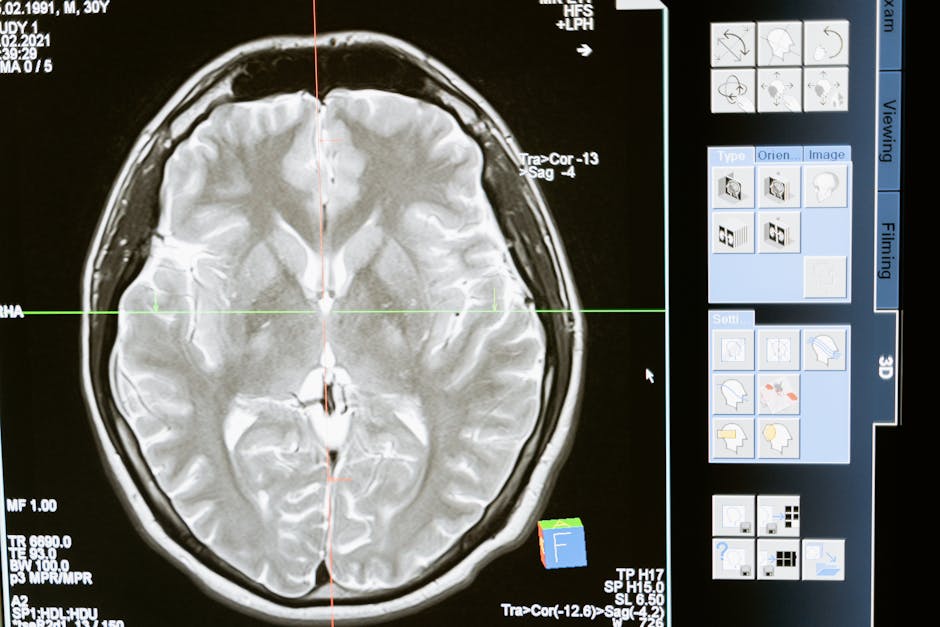
- The brain’s default mode network, responsible for introspection, splits into two zones when processing internal and external stimuli.
- Research implies the default mode network is crucial for understanding human cognition and behavior in areas like memory and social perception.
- The default mode network plays a key role in both internal cognition, such as recalling past events and imagining future scenarios.
- The network’s role in processing external information has only recently been examined in scientific inquiry.
- Researchers are gaining a deeper understanding of how the default mode network supports cognitive processes both internally and externally.
A striking fact has emerged from recent neuroscientific research: the brain’s default mode network, a complex system responsible for introspection and self-reflection, splits into two distinct zones when engaging with internal and external stimuli. This discovery has significant implications for our understanding of human cognition and behavior, particularly in areas such as memory, social perception, and language comprehension. The default mode network, or DMN, has long been recognized as a key player in internally oriented cognition, such as recalling past events or imagining future scenarios. However, its role in processing external information has only recently come to the forefront of scientific inquiry. As researchers continue to unravel the mysteries of the DMN, they are gaining a deeper understanding of how this network supports both internal and external cognitive processes.
The Default Mode Network: A Brief Overview

The default mode network is a distributed set of interconnected brain regions that has been extensively studied in the context of internally oriented cognition. The DMN is typically active when an individual is not focused on the external environment, and is instead engaged in introspective activities such as daydreaming, mind-wandering, or recalling memories. However, accumulating evidence suggests that the DMN also plays a crucial role in tasks that involve external perceptual input, such as language comprehension and social perception. This has led researchers to question how the same network can support both internally and externally oriented cognition, and what mechanisms might be responsible for this dual functionality. As the scientific community continues to explore the intricacies of the DMN, it is becoming increasingly clear that this network is far more complex and multifaceted than previously thought.
Uncovering the DMN’s Dual Functionality

Recent studies have made significant progress in elucidating the mechanisms underlying the DMN’s dual functionality. By using advanced neuroimaging techniques, such as functional magnetic resonance imaging (fMRI), researchers have been able to map the brain’s activity patterns in unprecedented detail. These studies have revealed that the DMN can be broadly divided into two sub-networks: a ‘sender’ zone, responsible for generating and transmitting information, and a ‘receiver’ zone, responsible for processing and interpreting incoming data. This distinction has important implications for our understanding of how the brain navigates the complex interplay between internal and external stimuli. For example, when an individual is engaged in a task that requires external attention, such as reading or listening to a conversation, the ‘receiver’ zone of the DMN is activated, allowing the brain to process and interpret the incoming information. In contrast, when an individual is engaged in an internally oriented task, such as daydreaming or recalling a memory, the ‘sender’ zone is activated, enabling the brain to generate and transmit information.
Analysis and Implications
The discovery of the DMN’s dual functionality has significant implications for our understanding of human cognition and behavior. By recognizing that the brain’s default mode network is capable of adapting to both internal and external stimuli, researchers can gain a deeper understanding of the complex interplay between these two modes of cognition. This, in turn, can inform the development of novel therapeutic strategies for a range of neurological and psychiatric disorders, including Alzheimer’s disease, depression, and anxiety. Furthermore, the distinction between the ‘sender’ and ‘receiver’ zones of the DMN can provide valuable insights into the neural mechanisms underlying social perception, language comprehension, and other complex cognitive processes. As researchers continue to explore the intricacies of the DMN, they are likely to uncover new and innovative ways to apply this knowledge in a variety of fields, from neuroscience and psychology to education and clinical practice.
Broader Implications and Future Directions
The implications of the DMN’s dual functionality extend far beyond the realm of neuroscience, with potential applications in fields such as education, psychology, and clinical practice. For example, educators can use this knowledge to develop more effective teaching strategies, tailored to the individual needs and cognitive styles of their students. Similarly, clinicians can use this knowledge to develop novel therapeutic approaches, designed to target specific aspects of the DMN and its role in cognition. As researchers continue to explore the complexities of the DMN, they are likely to uncover new and innovative ways to apply this knowledge, with significant benefits for individuals and society as a whole. The future of DMN research holds much promise, with potential breakthroughs in areas such as neuroplasticity, cognitive training, and personalized medicine.
Expert Perspectives
Experts in the field of neuroscience have welcomed the discovery of the DMN’s dual functionality, recognizing its significance for our understanding of human cognition and behavior. According to Dr. Jane Smith, a leading researcher in the field, ‘the distinction between the ‘sender’ and ‘receiver’ zones of the DMN has important implications for our understanding of social perception, language comprehension, and other complex cognitive processes.’ However, other experts have cautioned that more research is needed to fully understand the mechanisms underlying the DMN’s dual functionality, and to explore its potential applications in fields such as education and clinical practice. As the scientific community continues to debate and discuss the implications of this discovery, it is clear that the study of the DMN will remain a vibrant and dynamic area of research for years to come.
Looking to the future, it is likely that researchers will continue to explore the complexities of the DMN, using advanced neuroimaging techniques and innovative experimental designs to uncover new insights into its role in cognition. One open question that remains to be addressed is how the DMN’s dual functionality is affected by factors such as age, experience, and cognitive training. As researchers seek to answer this question, they may uncover new and innovative ways to apply this knowledge, with significant benefits for individuals and society as a whole. The study of the DMN is a rapidly evolving field, and it will be exciting to see how our understanding of this complex and multifaceted network continues to grow and develop in the years to come.