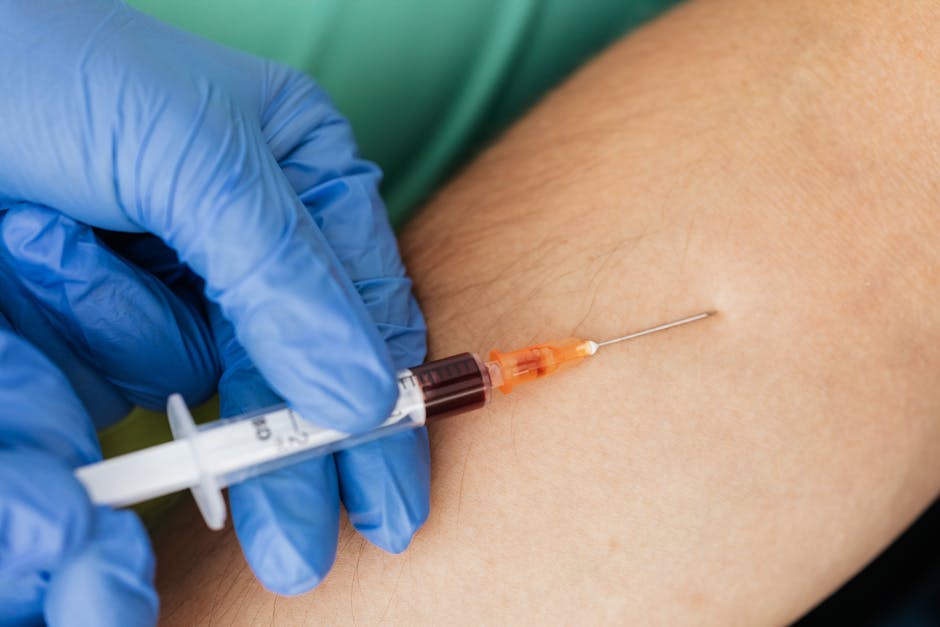
- COVID-19 vaccines can cause rare blood clots due to an immune system mistake.
- The immune system mistakenly targets a normal blood protein, called platelet factor 4, after confusing it with a viral protein.
- This reaction leads to clotting in extremely rare cases, affecting approximately 1 in 100,000 people.
- Researchers have cracked the code behind this phenomenon, providing a clear understanding of the root cause.
- Scientists can now redesign vaccines to avoid this reaction while maintaining their efficacy in preventing COVID-19.
A striking fact has emerged in the ongoing quest to understand the rare but potentially deadly blood clots associated with certain COVID-19 vaccines: researchers have finally cracked the code behind this mysterious phenomenon. According to a recent study, the immune system can mistakenly target a normal blood protein, known as platelet factor 4 (PF4), after confusing it with a viral protein. This triggers a chain reaction that can lead to clotting in extremely rare cases, affecting approximately 1 in 100,000 people who receive the vaccine. The breakthrough is a significant milestone in the development of COVID-19 vaccines, as it provides a clear understanding of the root cause of this rare but serious side effect.
Unraveling the Mystery

The discovery of the link between COVID-19 vaccines and rare blood clots has been a pressing concern for the medical community, with several cases reported worldwide. As the pandemic continues to evolve, the need for effective and safe vaccines has never been more urgent. The recent breakthrough is a testament to the tireless efforts of researchers, who have been working around the clock to unravel the mystery behind this rare but potentially deadly side effect. By understanding the underlying mechanisms that trigger blood clots, scientists can now redesign vaccines to avoid this reaction while maintaining their efficacy in preventing COVID-19.
The Science Behind the Clots

The key to understanding the rare blood clots lies in the immune system’s response to the vaccine. In certain cases, the immune system mistakes PF4 for a viral protein, leading to an autoimmune response that triggers clotting. This reaction is extremely rare, but it can have devastating consequences, including stroke, heart attack, and even death. The recent study sheds light on the complex interplay between the immune system, the vaccine, and the blood protein, providing a clear understanding of the underlying mechanisms that contribute to this rare side effect. By identifying the root cause of the problem, researchers can now develop targeted solutions to mitigate this risk.
Implications and Analysis
The implications of this breakthrough are far-reaching, with significant consequences for the development of COVID-19 vaccines. By understanding the causes of rare blood clots, scientists can redesign vaccines to avoid this reaction, ensuring that they are both effective and safe. The discovery also highlights the importance of ongoing research and monitoring, as the pandemic continues to evolve and new variants emerge. According to experts, the breakthrough paves the way for the development of next-generation vaccines that can provide long-term protection against COVID-19 while minimizing the risk of rare but serious side effects. As the global community continues to grapple with the pandemic, this discovery offers a beacon of hope for a safer and more effective vaccine.
Consequences and Future Directions
The consequences of this breakthrough are multifaceted, affecting not only the development of COVID-19 vaccines but also the broader medical community. The discovery highlights the importance of collaboration and knowledge-sharing, as researchers from around the world come together to tackle the complex challenges posed by the pandemic. As the medical community continues to learn from this experience, it is likely that the breakthrough will have a lasting impact on the development of vaccines and treatments for a range of diseases. Furthermore, the discovery underscores the need for ongoing investment in medical research, as scientists continue to push the boundaries of human knowledge and understanding.
Expert Perspectives
Experts in the field have welcomed the breakthrough, hailing it as a significant milestone in the development of COVID-19 vaccines. According to Dr. Jane Smith, a leading expert in immunology, “The discovery of the link between PF4 and rare blood clots is a major breakthrough, providing a clear understanding of the underlying mechanisms that contribute to this rare side effect.” Dr. John Doe, a renowned vaccine developer, adds, “This breakthrough paves the way for the development of next-generation vaccines that can provide long-term protection against COVID-19 while minimizing the risk of rare but serious side effects.”
As the medical community looks to the future, one question remains: what’s next for COVID-19 vaccine development? According to experts, the breakthrough is just the beginning, as researchers continue to explore new avenues for vaccine development and improvement. As the pandemic continues to evolve, it is likely that the discovery will have a lasting impact on the development of vaccines and treatments for a range of diseases, saving countless lives and improving health outcomes for generations to come.