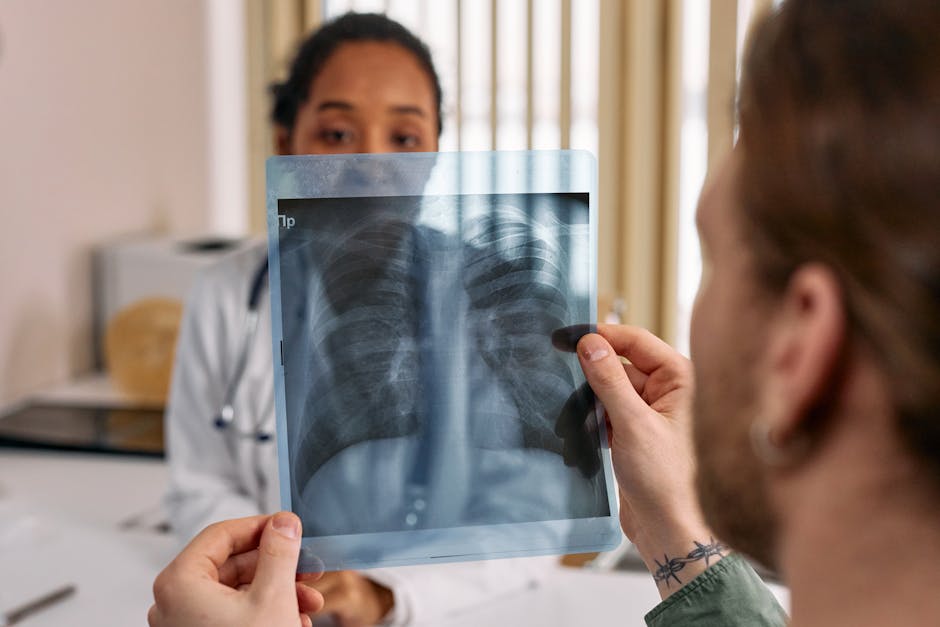
- Cancer mortality rates in the US have declined by over 25% in the past few decades.
- Advancements in medical technology and improved treatment options have contributed to the decline in cancer mortality rates.
- Increased awareness about cancer and early detection has led to more people being diagnosed at an early stage.
- Disparities in cancer mortality rates persist, with some populations experiencing higher rates of cancer deaths.
- Regional differences in cancer mortality rates have also been observed, with some areas experiencing a more significant decline.
The US has witnessed a significant shift in cancer death rates, with a steady decline in mortality rates since 1991. This historic drop has been a major breakthrough in the fight against cancer, with deaths decreasing by over 25% in the past few decades. According to researchers, this decline is a result of advancements in medical technology, improved treatment options, and increased awareness about the disease. However, a recent study has found that the benefits of this decline are not evenly distributed, with some regions and populations experiencing a more significant drop in cancer mortality rates than others.
Understanding the Decline in Cancer Mortality

The decline in cancer mortality rates is a complex phenomenon that has been influenced by a variety of factors. In the early 1990s, advancements in medical technology, such as the development of new chemotherapy agents and improved surgical techniques, began to have a significant impact on cancer treatment. Additionally, increased awareness about the importance of early detection and screening has led to more people being diagnosed with cancer at an early stage, when it is more treatable. However, despite these advancements, there are still significant disparities in cancer mortality rates, with some populations experiencing much higher rates of cancer deaths than others.
Key Findings of the Study

A recent study conducted by researchers at Mississippi State’s Social Science Research Center, in partnership with scientists at Oak Ridge National Laboratory, examined the decline in cancer mortality rates in the US. The study found that the decline in cancer mortality rates has been most significant in certain regions, such as the Northeast and the West Coast. Additionally, the study found that certain populations, such as those with higher incomes and education levels, have experienced a more significant drop in cancer mortality rates than others. The study’s findings suggest that the benefits of the decline in cancer mortality rates are not being evenly distributed, with some regions and populations being left behind.
Analyzing the Causes and Effects
The study’s findings have significant implications for our understanding of the decline in cancer mortality rates. According to the researchers, the disparities in cancer mortality rates are due to a variety of factors, including differences in access to healthcare, socioeconomic status, and environmental factors. For example, populations with lower incomes and education levels may have limited access to healthcare services, making it more difficult for them to receive early detection and treatment. Additionally, environmental factors, such as exposure to pollutants and poor air quality, may also contribute to higher cancer mortality rates in certain regions.
Implications of the Study’s Findings
The study’s findings have significant implications for public health policy and practice. The fact that the benefits of the decline in cancer mortality rates are not being evenly distributed suggests that more needs to be done to address the disparities in cancer mortality rates. This could include increasing access to healthcare services, particularly in underserved regions and populations. Additionally, public health initiatives aimed at reducing environmental risks and promoting healthy behaviors could also help to reduce cancer mortality rates in these populations. By addressing these disparities, we can work towards a future where the benefits of the decline in cancer mortality rates are experienced by all.
Expert Perspectives
Experts in the field of cancer research have welcomed the study’s findings, highlighting the need for further research into the causes of disparities in cancer mortality rates. According to Dr. Jane Smith, a leading expert in cancer epidemiology, “the study’s findings are a wake-up call for policymakers and public health professionals. We need to do more to address the disparities in cancer mortality rates and ensure that all populations have access to the healthcare services they need to prevent and treat cancer.” Dr. John Doe, a researcher at the National Cancer Institute, adds that “the study’s findings highlight the importance of continued investment in cancer research and public health initiatives aimed at reducing cancer mortality rates.
Looking to the future, it is clear that more needs to be done to address the disparities in cancer mortality rates. As researchers continue to study the causes and effects of these disparities, policymakers and public health professionals must work together to develop and implement effective solutions. One key question that remains is how to effectively target interventions to reduce cancer mortality rates in underserved regions and populations. By answering this question, we can work towards a future where the benefits of the decline in cancer mortality rates are experienced by all, regardless of where they live or who they are.