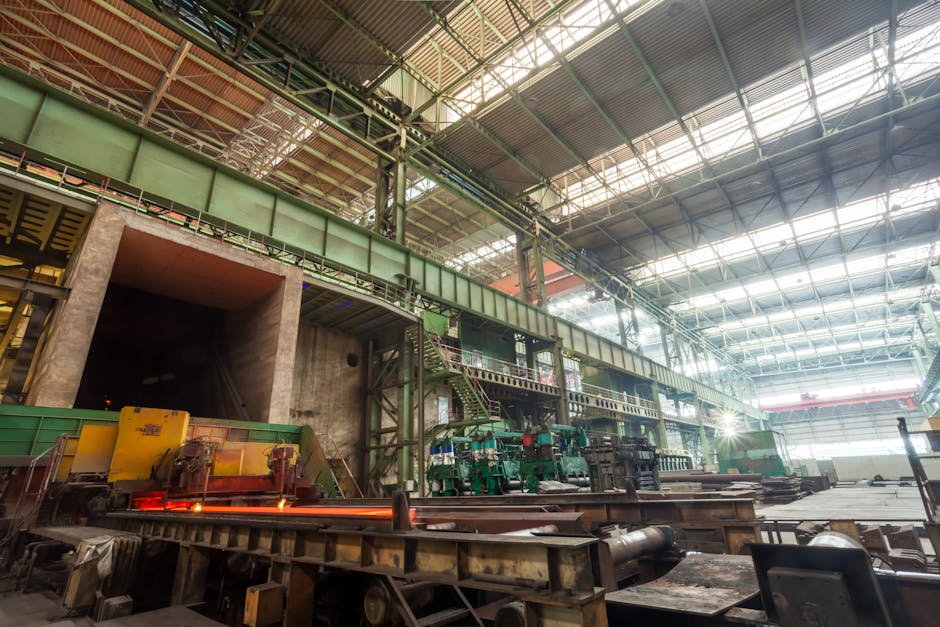
- Labour MP Nic Dakin supports nationalizing British Steel, citing it as the best outcome for its future.
- The UK’s steel sector is facing significant challenges, including global competition, rising costs, and environmental concerns.
- Nationalization is seen as a way to safeguard jobs and ensure the long-term viability of the industry.
- The steel industry has faced numerous setbacks, including fluctuations in global demand, increased competition, and environmental regulations.
- Brexit uncertainty has led to a decline in investor confidence and a surge in import costs for the UK’s steel sector.
The fate of British Steel, one of the UK’s largest steel producers, hangs in the balance as ownership talks continue to unfold. In a striking turn of events, Labour MP Nic Dakin has come out in strong support of nationalizing the company, citing it as “the best outcome” for British Steel’s future. This development comes at a critical juncture, with the steel industry facing significant challenges in the form of global competition, rising costs, and environmental concerns. As the UK’s steel sector teeters on the edge, the prospect of nationalization has sparked intense debate, with proponents arguing it would safeguard jobs and ensure the long-term viability of the industry.
The Road to Nationalization

The push for nationalizing British Steel is not an isolated event, but rather the culmination of years of struggle within the steel industry. The sector has faced numerous setbacks, including fluctuations in global demand, increased competition from low-cost producers, and the need to adapt to stringent environmental regulations. These challenges have been further exacerbated by the uncertainty surrounding Brexit, which has led to a decline in investor confidence and a surge in import costs. As the industry grapples with these issues, the case for nationalization has gained traction, with many arguing that state ownership would provide the necessary stability and support to navigate these treacherous waters. The Labour party, in particular, has been vocal in its support for nationalization, citing the need to protect strategic industries and ensure the preservation of key sectors.
Ownership Talks and Key Players

At the heart of the nationalization debate are the ongoing ownership talks, which have been shrouded in uncertainty. British Steel’s current owner, Greybull Capital, has been in discussions with potential buyers, but the process has been slow, and the company’s future remains far from secure. The involvement of key players, such as the UK government, trade unions, and industry stakeholders, has added complexity to the negotiations. Labour MP Nic Dakin’s recent statement in support of nationalization has injected a new dynamic into the talks, with many interpreting it as a sign that the government may be willing to consider state ownership as a viable option. As the talks continue, all eyes are on the key players, with many waiting to see how they will respond to the growing calls for nationalization.
Analysis and Implications
The potential nationalization of British Steel has significant implications for the UK’s steel industry, as well as the broader economy. Proponents of nationalization argue that it would provide a much-needed injection of stability, allowing the company to invest in modernization and compete more effectively on the global stage. However, others have raised concerns about the potential costs and risks associated with state ownership, citing the need for significant investment and the potential for inefficiencies. From an economic perspective, the nationalization of British Steel could have far-reaching consequences, including the potential to safeguard thousands of jobs and protect key supply chains. Nevertheless, it also raises important questions about the role of the state in the economy and the potential for government intervention in strategic industries.
Industry-Wide Impact
The potential nationalization of British Steel is not an isolated event, but rather part of a broader trend of government intervention in the steel industry. The move could have significant implications for other steel producers, as well as the wider economy. If nationalization is successful, it could pave the way for further state intervention in the sector, potentially leading to a more stable and secure industry. However, it also raises concerns about the potential for unfair competition and the impact on private sector investors. As the UK’s steel industry navigates this uncertain landscape, one thing is clear: the fate of British Steel will have far-reaching consequences for the sector as a whole.
Expert Perspectives
Expert opinions on the potential nationalization of British Steel are decidedly mixed, reflecting the complexity of the issue. Some have argued that nationalization is the only viable option, citing the need to protect jobs and ensure the long-term viability of the industry. Others, however, have raised concerns about the potential costs and risks associated with state ownership, arguing that private sector investment is the key to driving growth and innovation. As the debate continues, it is clear that there are no easy answers, and the path forward will require careful consideration of the competing perspectives and interests.
Looking ahead, the future of British Steel remains uncertain, with many questions still unanswered. Will the company be nationalized, or will a private sector buyer emerge? How will the UK government respond to the growing calls for state ownership, and what implications will this have for the broader economy? As the ownership talks continue, one thing is clear: the fate of British Steel will be a critical test of the UK’s industrial policy and its commitment to supporting strategic industries. As the world watches, the question on everyone’s lips is: what’s next for British Steel?