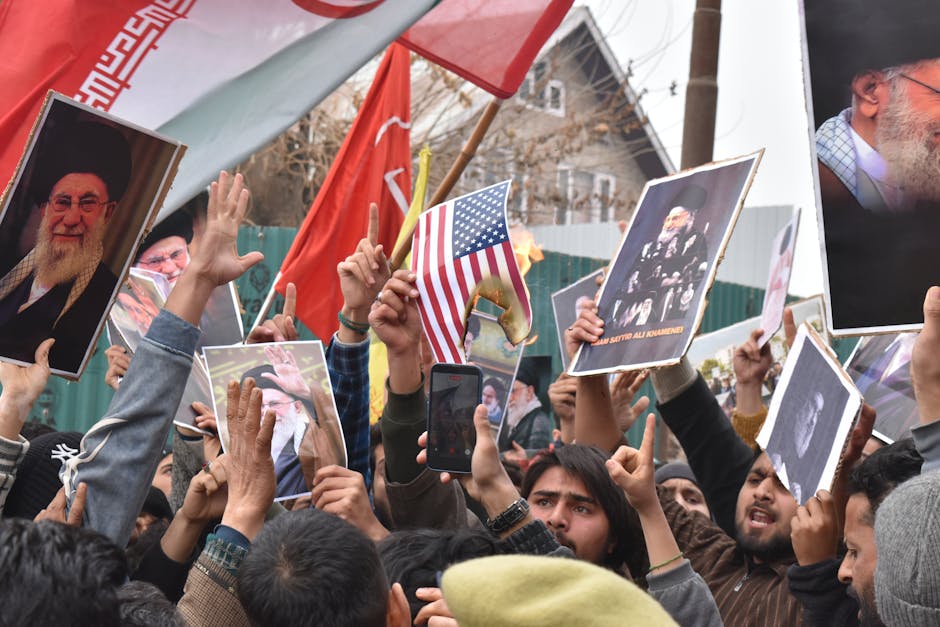
- A two-week ceasefire between the US and Iran has been established, but lasting resolution remains elusive.
- Deep divisions between the two nations have been exposed, prolonging uncertainty in the region.
- The conflict has claimed numerous lives and caused widespread destruction, prompting international concern.
- The US and Iran have been at odds since the 1979 Iranian Revolution, with tensions escalating over the years.
- A lasting resolution will require addressing complex issues that have plagued the US-Iran relationship for decades.
The recent US-Iran ceasefire, although a welcome respite from the violence, has not led to a lasting resolution. With a two-week ceasefire in place, talks between the two nations have begun, but they have exposed deep divisions, prolonging uncertainty in the region. The conflict, which has been escalating for months, has already claimed numerous lives and caused widespread destruction. As the international community watches with bated breath, the key question on everyone’s mind is: what are the key sticking points in these talks? The answer to this question is complex and multifaceted, involving a range of issues that have been plaguing the relationship between the US and Iran for decades.
Historical Context of US-Iran Relations

The current tensions between the US and Iran are not a new phenomenon, but rather the latest iteration of a long-standing conflict. The two nations have been at odds since the 1979 Iranian Revolution, which overthrew the US-backed Shah and led to the establishment of an Islamic republic. Since then, the US has imposed numerous sanctions on Iran, citing concerns over its nuclear program and human rights record. In recent years, the conflict has escalated, with the US withdrawing from the Joint Comprehensive Plan of Action (JCPOA) and Iran responding by restarting its nuclear program. The current ceasefire talks are an attempt to find a way out of this impasse, but they are fraught with difficulty.
Key Issues in the Ceasefire Talks

The ceasefire talks between the US and Iran are focused on finding a mutually acceptable agreement that addresses the key concerns of both nations. The US is demanding that Iran halt its nuclear program and stop supporting militant groups in the region, while Iran is insisting that the US lift its crippling sanctions and recognize its right to develop its nuclear energy program. Other issues, such as the release of prisoners and the withdrawal of US troops from the region, are also on the table. However, the talks have been slow-going, with both sides dug in and refusing to budge. The US has imposed a deadline for the talks, warning that it will impose further sanctions if an agreement is not reached.
Analysis of the Conflict
The conflict between the US and Iran is a complex and multifaceted one, involving a range of strategic, economic, and ideological interests. The US is concerned about the spread of Iranian influence in the region and the potential for Iran to develop a nuclear weapon. Iran, on the other hand, sees the US as a threat to its sovereignty and security, and is determined to assert its independence and defend its interests. The conflict has also been fueled by the involvement of other regional actors, such as Saudi Arabia and Israel, which have their own interests and agendas. As the talks continue, it remains to be seen whether the US and Iran can find a way to reconcile their differences and reach a lasting agreement.
Implications of the Ceasefire Talks
The implications of the ceasefire talks between the US and Iran are far-reaching and profound. If an agreement is reached, it could lead to a significant reduction in tensions in the region and pave the way for a more stable and secure future. However, if the talks fail, the consequences could be catastrophic, with the potential for a wider conflict that draws in other regional actors. The international community is watching the talks with great interest, and many countries are urging the US and Iran to find a way to resolve their differences peacefully. The people of Iran are also closely following the talks, and are hoping that a resolution will lead to an improvement in their economic and living conditions.
Expert Perspectives
Experts on the region are divided on the prospects for a successful outcome to the ceasefire talks. Some believe that the US and Iran can find a way to reconcile their differences and reach a lasting agreement, while others are more pessimistic, citing the deep-seated mistrust and hostility between the two nations. According to one expert, “the talks are a positive step, but they are just the beginning of a long and difficult process.” Another expert warned that “the US and Iran are far apart on the key issues, and it will take a lot of compromise and creativity to find a way forward.”
As the ceasefire talks continue, the international community will be watching with great interest to see if the US and Iran can find a way to resolve their differences and reach a lasting agreement. The prospects for success are uncertain, but one thing is clear: the stakes are high, and the consequences of failure could be catastrophic. The key question on everyone’s mind is: what will happen next? Will the US and Iran be able to find a way out of the current impasse, or will the conflict continue to escalate? Only time will tell, but for now, the world is holding its breath as it waits to see what the future holds.