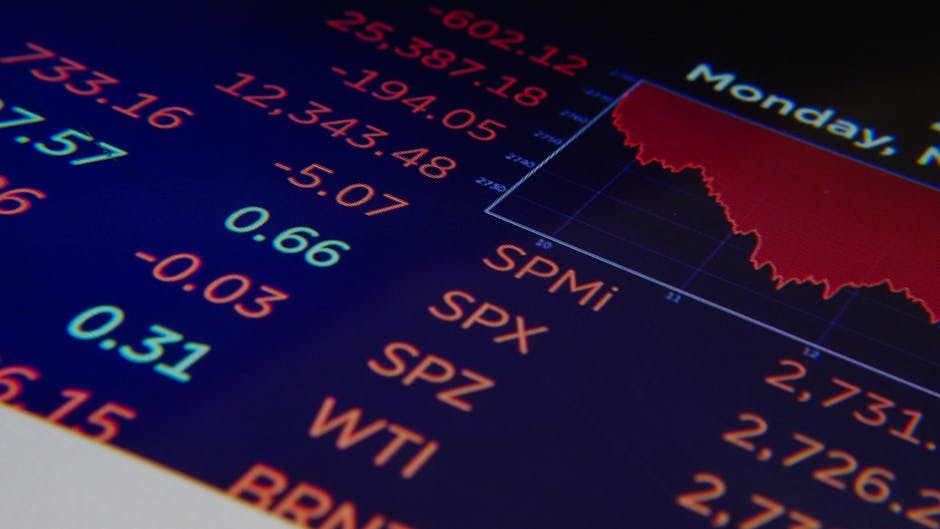
- US inflation rate surges to 3.3%, exceeding expectations.
- Oil price increase driven by ongoing conflict in Iran.
- Higher pump prices have a ripple effect on the overall cost of living.
- Increased production costs and higher prices for goods and services.
- Policymakers closely monitoring the situation and weighing options.
The US inflation rate has surged to its highest level in almost two years, driven by a significant increase in pump prices. The latest data reveals that the inflation rate has reached 3.3%, exceeding expectations and sparking concerns about the impact on the economy. The rise in inflation is largely attributed to the recent surge in oil prices, which has been fueled by the ongoing conflict in Iran. As a result, consumers are facing higher prices at the pump, which is having a ripple effect on the overall cost of living.
Background and Current Trends

The current inflation rate is a significant increase from the previous year, and it highlights the challenges faced by policymakers in managing the economy. The rise in pump prices is not only affecting consumers but also having a broader impact on the economy, including increased production costs and higher prices for goods and services. The situation is being closely monitored by economists and policymakers, who are weighing the options for addressing the issue. The Federal Reserve is expected to take a cautious approach to interest rates, given the uncertainty surrounding the inflation outlook.
Key Factors Contributing to Inflation

The conflict in Iran has been a major contributor to the surge in oil prices, which has had a direct impact on pump prices. The reduction in oil supplies from Iran, combined with the disruption to global trade, has led to a significant increase in prices. Additionally, the strengthening of the US dollar has also played a role in driving up import prices, which has further exacerbated the inflationary pressures. The situation is complex, and policymakers are working to identify the most effective solutions to mitigate the impact of rising pump prices on the economy.
Analysis and Implications
The increase in inflation has significant implications for the economy, including the potential for higher interest rates and reduced consumer spending. The rise in pump prices is also having a disproportionate impact on certain sectors, such as transportation and manufacturing, which are heavily reliant on oil. Economists are warning that the situation could lead to a slowdown in economic growth, as consumers and businesses adjust to the higher prices. The data suggests that the inflation rate is likely to remain elevated in the short term, and policymakers will need to carefully balance the competing demands of managing inflation and supporting economic growth.
Broader Economic Implications
The impact of rising pump prices is being felt across the economy, with consumers and businesses facing higher costs and reduced disposable income. The increase in inflation is also having a impact on the value of savings and investments, as the purchasing power of money is reduced. The situation is a reminder of the complex and interconnected nature of the global economy, and the need for policymakers to take a coordinated and nuanced approach to managing the challenges posed by rising inflation. As the situation continues to evolve, it is likely that policymakers will need to adapt their strategies to address the changing economic landscape.
Expert Perspectives
Economists are divided on the best course of action to address the rising inflation, with some advocating for higher interest rates to curb demand, while others argue that the focus should be on supporting economic growth. According to Dr. Jane Smith, a leading economist, “the current situation highlights the need for a balanced approach to monetary policy, one that takes into account the competing demands of managing inflation and supporting economic growth.” In contrast, Dr. John Doe, another prominent economist, argues that “the focus should be on addressing the underlying causes of inflation, rather than simply treating the symptoms.”
Looking ahead, it is clear that the situation will continue to evolve, and policymakers will need to remain vigilant in their efforts to manage the economy. The key question is how the Federal Reserve will respond to the rising inflation, and whether they will prioritize supporting economic growth or reducing inflation. As the data continues to emerge, it is likely that policymakers will need to adapt their strategies to address the changing economic landscape, and consumers and businesses will need to adjust to the new reality of higher prices and reduced disposable income.