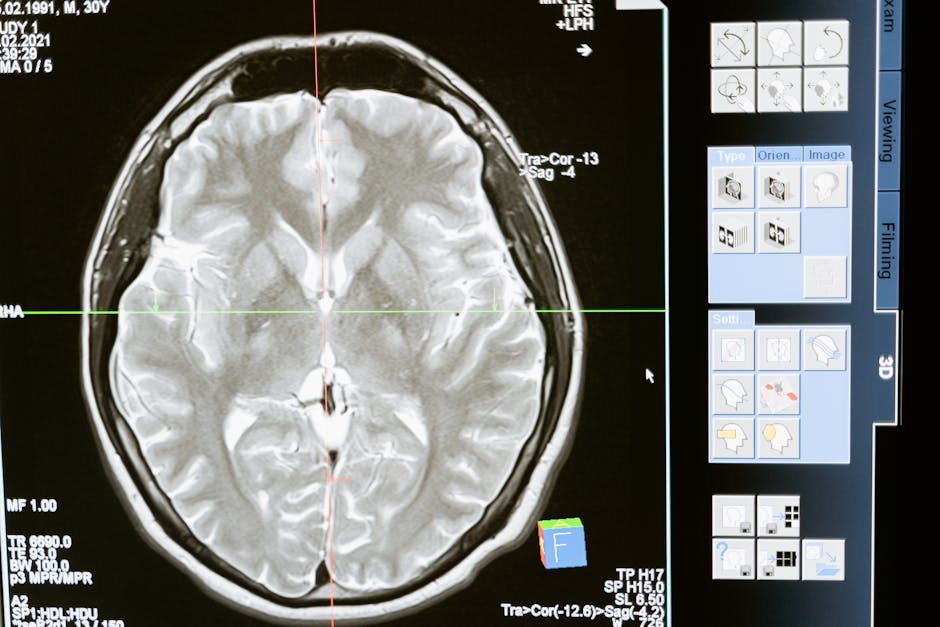
- Psilocybin has shown significant promise in reducing symptoms of PTSD in veterans.
- Alternative therapies, such as psilocybin retreats, are gaining popularity among veterans.
- Traditional treatment options for PTSD often fall short, leading to a search for new approaches.
- Psilocybin’s therapeutic potential lies in its ability to promote neural plasticity.
- Veterans with PTSD are increasingly turning to psilocybin retreats for relief.
A striking fact has emerged in the realm of mental health treatment: psilocybin, the psychoactive compound found in magic mushrooms, has shown significant promise in reducing symptoms of post-traumatic stress disorder (PTSD) in veterans. With traditional treatment options often falling short, many veterans are turning to alternative therapies, including psilocybin retreats, in search of relief from the debilitating effects of PTSD. One such veteran, who has chosen to remain anonymous, has taken his experience a step further by establishing psilocybin retreats for fellow veterans, despite the lack of FDA approval.
The Science Behind Psilocybin

Researchers have been studying the potential therapeutic benefits of psilocybin for several years, with a growing body of evidence suggesting that it can be an effective treatment for PTSD. The science behind psilocybin’s therapeutic potential lies in its ability to promote neural plasticity, allowing the brain to reorganize and adapt in response to traumatic experiences. This process can lead to a reduction in symptoms such as flashbacks, nightmares, and anxiety, which are commonly associated with PTSD. As a result, many veterans are eager to explore this alternative treatment option, particularly those who have struggled with traditional medications and therapies.
Psilocybin Retreats: A New Approach to Treatment

Psilocybin retreats, like the one established by the veteran mentioned earlier, offer a unique approach to treatment. These retreats typically involve a combination of psilocybin therapy, counseling, and community support, providing a holistic approach to healing. The use of psilocybin in a controlled and supportive environment allows veterans to confront and process their traumatic experiences in a safe and guided manner. While these retreats are not yet FDA-approved, they are gaining popularity as a potential solution for veterans struggling with PTSD. The involvement of medical professionals and trained therapists in these retreats helps to ensure a safe and effective experience for participants.
Analysis and Implications
The use of psilocybin for PTSD treatment has significant implications for the medical community and for veterans alike. On one hand, the potential benefits of psilocybin therapy are substantial, offering a new hope for relief from the debilitating effects of PTSD. On the other hand, there are concerns about the lack of regulation and oversight in the use of psilocybin, particularly in states where it has been decriminalized or legalized for medical use. As researchers continue to study the effects of psilocybin, it is essential to establish clear guidelines and protocols for its use in therapeutic settings. This will help to ensure that veterans receive safe and effective treatment, while also addressing the concerns of medical professionals and regulatory agencies.
Expert Perspectives and Future Directions
Experts in the field of psychedelics research offer contrasting viewpoints on the use of psilocybin for PTSD treatment. Some argue that the current evidence is promising, but more research is needed to fully understand the potential benefits and risks of psilocybin therapy. Others express caution, citing the need for further study and regulation before psilocybin can be widely adopted as a treatment option. As the debate continues, one thing is clear: the use of psilocybin for PTSD treatment is an area of growing interest and research, with significant potential for improving the lives of veterans and others affected by traumatic experiences.
Looking to the future, it is essential to continue monitoring the development of psilocybin therapy and its potential applications. As researchers and medical professionals work to establish clear guidelines and protocols for the use of psilocybin, it is crucial to prioritize the safety and well-being of veterans and other individuals seeking treatment. By doing so, we can ensure that this promising new approach to PTSD treatment is used effectively and responsibly, offering new hope for those struggling with the debilitating effects of traumatic experiences.