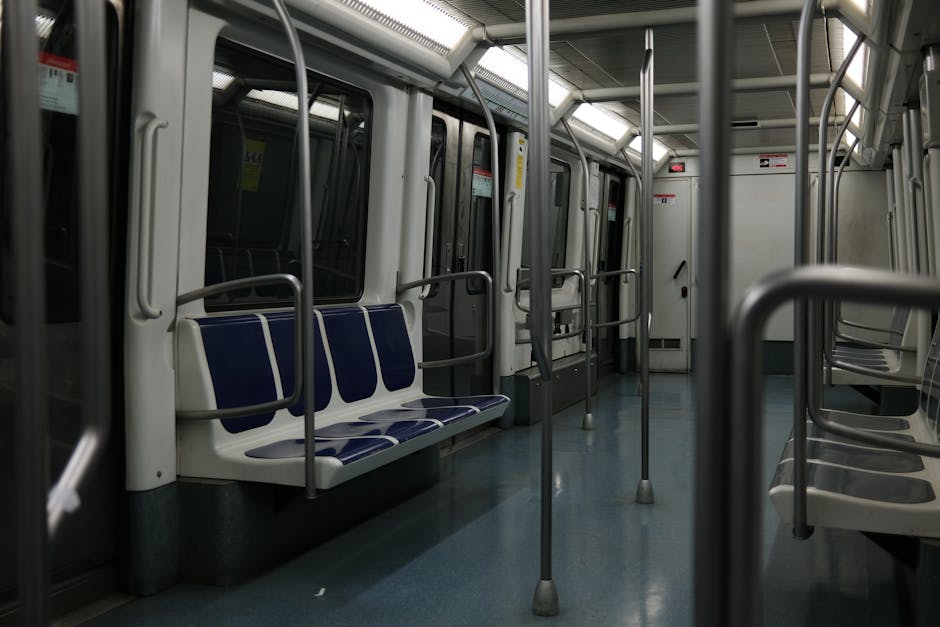
- The New York subway system has been transformed into a symphony with every train assigned a musical instrument.
- This innovative project showcases the intersection of technology, music, and urban planning in the city.
- The subway symphony is a reflection of New York’s vibrant cultural scene and its willingness to push boundaries.
- The project aims to transform mundane aspects of urban life into creative opportunities.
- The subway symphony offers a fresh perspective on interacting with cities through music and technology.
The New York subway system, with its 472 stations and over 850 miles of track, is one of the most complex and fascinating urban landscapes in the world. Recently, an innovative project has brought a new level of creativity to this iconic system, by assigning a musical instrument to every train in New York. This experiment has sparked a wave of interest and curiosity among music lovers and subway enthusiasts alike, with many wondering what inspired this unique idea and how it was brought to life.
The Birth of a Subway Symphony

This extraordinary project was made possible by the convergence of technology, music, and urban planning. The idea of giving every train an instrument is not just a novelty, but a reflection of the city’s vibrant cultural scene and its willingness to push boundaries. As the city’s population continues to grow and diversify, initiatives like this one demonstrate the potential for creativity and innovation to transform even the most mundane aspects of urban life. By exploring the intersection of music, technology, and transportation, this project offers a fresh perspective on the ways in which cities can be experienced and interacted with.
From Locomotives to Lyres

The process of assigning instruments to trains was a meticulous one, involving a deep understanding of the subway system’s rhythms and patterns. Each train was carefully paired with an instrument, taking into account factors such as the train’s route, speed, and frequency of operation. The resulting combinations are both surprising and intuitive, with some trains playing percussive roles and others providing melodic lines. As the trains move through the city, they create a dynamic, ever-changing soundscape that reflects the diverse character of New York’s neighborhoods and communities.
Unpacking the Harmony
At its core, this experiment is an exploration of the relationship between sound, motion, and space. By translating the movements of trains into music, the project reveals the intricate patterns and harmonies that underlie the city’s transportation system. This is not just a matter of assigning instruments to trains, but of uncovering the hidden rhythms and melodies that emerge from the interactions between trains, tracks, and passengers. As the data and insights from this project become available, they are likely to inspire new perspectives on urban planning, transportation design, and the role of music in shaping our experience of cities.
Implications and Inspirations
The potential implications of this project extend far beyond the realm of music or transportation. By demonstrating the power of creativity and innovation to transform urban landscapes, this experiment encourages us to think differently about the ways in which cities can be designed, experienced, and interacted with. As cities around the world face growing challenges related to sustainability, equity, and quality of life, initiatives like this one offer a powerful reminder of the importance of imagination and creative problem-solving in shaping the urban future.
Expert Perspectives
According to urban planning expert, Dr. Maria Rodriguez, ‘this project highlights the importance of considering the sensory and emotional dimensions of urban experience, and the ways in which music and sound can be used to create more vibrant and engaging public spaces.’ In contrast, music critic, John Taylor, notes that ‘while the idea of assigning instruments to trains is intriguing, it remains to be seen whether this experiment will yield meaningful or lasting artistic results.’
As this experiment continues to unfold, it will be fascinating to watch how it evolves and what insights it yields. Will this project inspire a new wave of urban music initiatives, or will it remain a unique anomaly in the world of transportation and sound art? One thing is certain: the sounds of New York’s subway symphony will continue to captivate and inspire, offering a fresh perspective on the city’s hidden harmonies and rhythms.