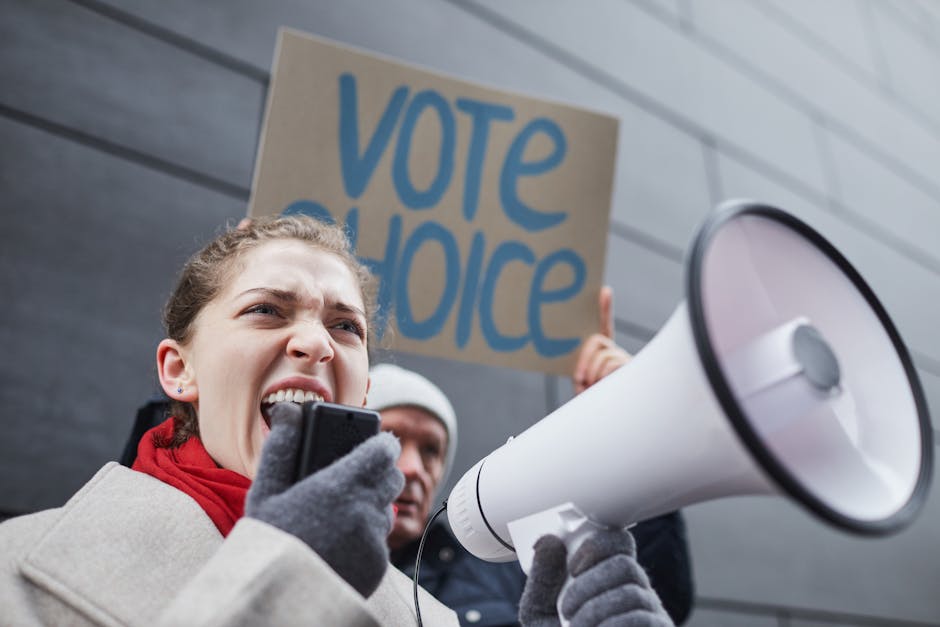
- Hungary saw a record voter turnout in its recent election, with over 70% of the eligible population casting their ballots.
- The election was a crucial test of the Orbán era, with the government and opposition presenting starkly different visions for the country’s future.
- The campaign was marked by bitter debates and intense divisions within Hungarian society, highlighting the deep-seated differences between government loyalists and the opposition.
- The election was widely seen as a referendum on the government’s policies, including its handling of corruption, economic inequality, and relations with the European Union.
- The outcome of the election has significant implications for Hungary’s future, with the opposition hoping to capitalize on growing discontent with the government’s performance.
Hungary has witnessed a significant turnout of voters in its recent election, with preliminary estimates suggesting that over 70% of the eligible population cast their ballots. This impressive voter engagement is a testament to the high stakes involved in the election, which is widely seen as a crucial test of the Orbán era. The election has been marked by a bitter campaign that has energized both government loyalists and the opposition, led by Péter Magyar, with each side presenting starkly different visions for the country’s future.
The Campaign Trail

The Hungarian election has been a long time in the making, with the campaign officially kicking off several months ago. However, the underlying tensions and divisions that have come to define the election have been simmering for much longer. The government, led by Prime Minister Viktor Orbán, has been in power for over a decade, and its policies have been the subject of intense debate and controversy. The opposition, on the other hand, has been trying to capitalize on growing discontent with the government’s handling of issues such as corruption, economic inequality, and relations with the European Union.
A Divided Country

The election has highlighted the deep divisions that exist within Hungarian society. On one hand, there are those who strongly support the government’s nationalist and conservative agenda, and who see Orbán as a champion of Hungarian interests and values. On the other hand, there are those who are deeply critical of the government’s policies, and who believe that they have undermined the country’s democratic institutions, damaged its relationships with other European countries, and failed to address pressing economic and social issues. The opposition, led by Péter Magyar, has been trying to unite these disparate groups and present a credible alternative to the government.
Analysis and Implications
The outcome of the election will have significant implications for Hungary and its relationships with other European countries. If the government is returned to power, it is likely to continue its current policies, including its tough stance on immigration and its efforts to consolidate power and limit the independence of the judiciary and other institutions. On the other hand, if the opposition is successful, it may try to reverse some of these policies and take a more conciliatory approach to the European Union. The election will also have implications for the wider European economy, as Hungary is a member of the EU and plays an important role in regional trade and investment flows.
Economic Consequences
The economic consequences of the election are also likely to be significant. Hungary has been one of the fastest-growing economies in Europe in recent years, but it faces significant challenges, including a large trade deficit and a heavy reliance on foreign investment. The government’s policies, including its attempts to reduce the country’s dependence on foreign capital and promote domestic industry, have been the subject of intense debate. The opposition has argued that these policies have undermined the country’s economic stability and damaged its relationships with foreign investors, while the government has maintained that they are necessary to promote Hungarian interests and reduce the country’s vulnerability to external shocks.
Expert Perspectives
Experts are divided on the likely outcome of the election and its implications for Hungary and the wider European economy. Some have argued that the government’s policies have been successful in promoting economic growth and reducing unemployment, while others have maintained that they have undermined the country’s democratic institutions and damaged its relationships with other European countries. Péter Magyar, the leader of the opposition, has argued that the election presents a crucial opportunity for Hungary to change direction and adopt a more conciliatory approach to the European Union, while Prime Minister Orbán has maintained that his government’s policies are necessary to protect Hungarian interests and promote the country’s economic stability.
As the results of the election become clear, all eyes will be on Hungary to see how the country responds to the outcome. Will the government be returned to power, or will the opposition be successful in its bid to unseat it? What implications will the election have for Hungary’s relationships with other European countries, and for the wider European economy? These are just some of the questions that will be on everyone’s mind in the coming days and weeks, as Hungary embarks on a new chapter in its history.