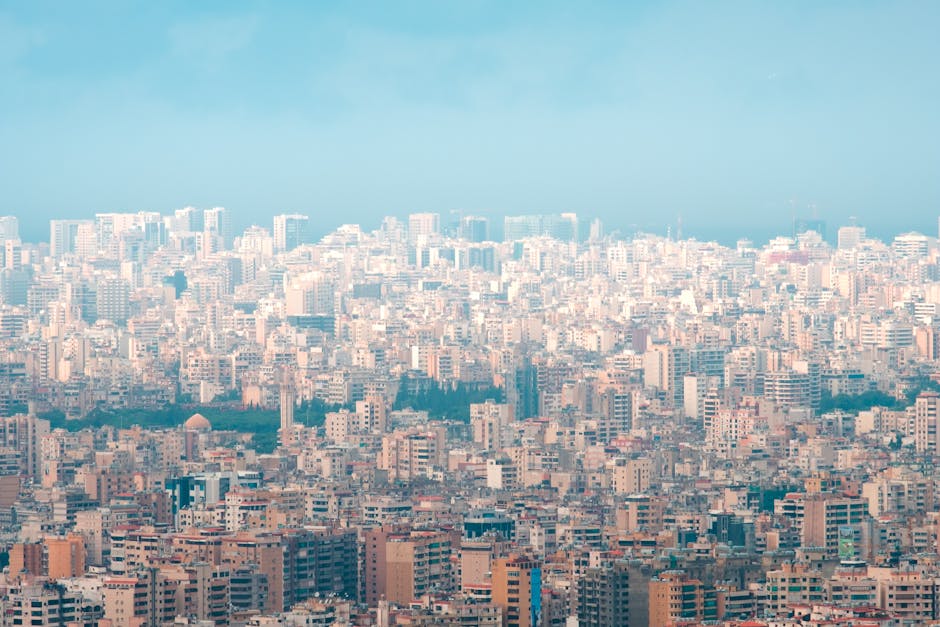
- Global concern and outrage over the Israeli airstrikes on Lebanon has led to a vigil in Madrid, highlighting the human cost of war.
- The recent conflict between Israel and Lebanon has resulted in significant loss of life and property, prompting widespread international condemnation.
- The United Nations has called for an immediate ceasefire in the conflict, urging countries to return to diplomatic efforts.
- A concerted effort from all parties involved is necessary to achieve a peaceful resolution in the conflict.
- The escalating tensions in the Middle East are a stark reminder of the need for sustained international support and diplomacy.
A striking fact has emerged from the recent escalation of violence in the Middle East: dozens of people gathered in Madrid to hold a vigil for the victims of Israeli airstrikes on Lebanon, highlighting the global concern and outrage over the conflict. The vigil, which took place in a prominent square in the Spanish capital, was attended by people from all walks of life, who came together to pay their respects to the innocent lives lost in the attacks. The event was marked by sombre speeches, candlelight, and a sense of solidarity with the people of Lebanon. As the international community continues to grapple with the complexities of the conflict, such gestures of support and condemnation of violence serve as a powerful reminder of the human cost of war.
Escalating Tensions in the Region

The vigil in Madrid comes at a time when tensions in the Middle East are running high, with the conflict between Israel and Lebanon showing no signs of abating. The recent Israeli airstrikes on Lebanon have resulted in significant loss of life and property, leading to widespread condemnation from the international community. The United Nations has called for an immediate ceasefire, while countries around the world have urged restraint and a return to diplomatic efforts to resolve the conflict. As the situation continues to deteriorate, it is becoming increasingly clear that a peaceful resolution will require a concerted effort from all parties involved, as well as the international community.
Key Players and Interests

The conflict between Israel and Lebanon is a complex and multifaceted one, involving a range of key players and interests. Israel has long considered Lebanon’s Hezbollah movement a significant threat to its national security, and has taken military action against it in the past. Lebanon, on the other hand, has accused Israel of violating its sovereignty and territorial integrity. The international community, including the United States, the European Union, and the United Nations, has been attempting to broker a peaceful resolution to the conflict, but so far, these efforts have been met with limited success. As the conflict continues to escalate, it is becoming increasingly clear that a lasting resolution will require a fundamental shift in the positions of all parties involved.
Analysis and Implications
From a geopolitical perspective, the conflict between Israel and Lebanon has significant implications for the region and beyond. The escalation of violence has the potential to draw in other countries, including Iran and Syria, which could lead to a wider regional conflict. The international community is also concerned about the humanitarian impact of the conflict, with thousands of civilians caught in the crossfire. According to experts, the conflict has already resulted in a significant displacement of people, with many forced to flee their homes in search of safety. The economic implications of the conflict are also likely to be severe, with trade and commerce in the region already beginning to suffer.
Human Cost and Global Response
The human cost of the conflict between Israel and Lebanon has been significant, with many innocent lives lost and countless more affected. The international community has been quick to respond, with many countries offering humanitarian aid and support to those affected. The vigil in Madrid is just one example of the global response to the conflict, with similar events taking place in cities around the world. As the conflict continues to escalate, it is likely that the international community will come under increasing pressure to take action to stop the violence and find a peaceful resolution. The United Nations has already begun to play a key role in this effort, with the Security Council meeting in emergency session to discuss the crisis.
Expert Perspectives
Experts are divided on the best way to resolve the conflict between Israel and Lebanon, with some arguing that a military solution is the only way to achieve lasting peace, while others believe that a diplomatic approach is the only way forward. According to Dr. Maria Rodriguez, a leading expert on Middle East politics, “the conflict between Israel and Lebanon is a complex and deeply entrenched one, and will require a fundamental shift in the positions of all parties involved if a lasting resolution is to be achieved.” Dr. John Taylor, a specialist in international relations, agrees, arguing that “the international community has a critical role to play in brokering a peaceful resolution to the conflict, and must be willing to take a firm stance against violence and in favour of diplomacy.”
As the conflict between Israel and Lebanon continues to escalate, the international community will be watching with bated breath to see how events unfold. One key question that remains to be answered is what role the international community will play in resolving the conflict, and whether it will be able to find a way to bring the parties together to negotiate a lasting peace. According to experts, the next few days and weeks will be critical in determining the course of the conflict, and the international community must be prepared to take decisive action to prevent further violence and promote a peaceful resolution.