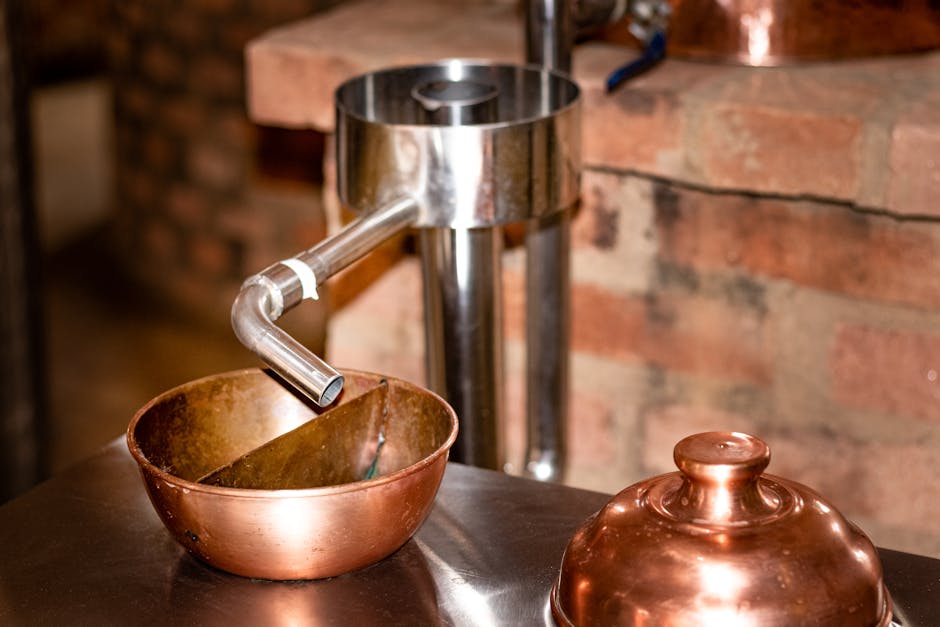
- The US appeals court has ruled the 158-year-old home distilling ban unconstitutional, sparking a major victory for personal freedom and entrepreneurship.
- The ban, introduced in 1868, had been in place for over a century and a half, prohibiting individuals from distilling spirits at home.
- The craft distilling industry has been growing rapidly, with the number of craft distilleries increasing by over 20% in the past year.
- Home distilling has a complex history in the US, dating back to the early colonial era, but was effectively outlawed in 1868.
- The recent court decision has sparked renewed interest in home distilling, with many advocating for the right to distill spirits at home.
The US appeals court’s decision to declare the 158-year-old home distilling ban unconstitutional has sent shockwaves throughout the country, with many hailing it as a major victory for personal freedom and entrepreneurship. The ban, which was initially introduced in 1868, had been in place for over a century and a half, prohibiting individuals from distilling spirits in the comfort of their own homes. However, with the rise of the craft distilling movement and increasing demand for artisanal spirits, the ban had become a topic of heated debate. According to recent statistics, the craft distilling industry has been growing at an unprecedented rate, with the number of craft distilleries increasing by over 20% in the past year alone.
The Historical Context of Home Distilling

The history of home distilling in the US is complex and multifaceted, with the practice dating back to the early colonial era. However, with the introduction of the ban in 1868, home distilling was effectively outlawed, and the industry was forced to go underground. Despite this, many enthusiasts and entrepreneurs continued to distill spirits in secret, often using makeshift equipment and recipes passed down through generations. In recent years, however, there has been a resurgence of interest in home distilling, with many advocating for the right to distill spirits in the comfort of their own homes. This shift in public opinion has been driven in part by the growing demand for craft spirits and the increasing recognition of the cultural and economic significance of home distilling.
The Court’s Ruling and Its Implications

The appeals court’s ruling is a significant milestone in the fight for home distilling rights, and it has major implications for the industry and individual enthusiasts. The court’s decision was based on the argument that the ban was unconstitutional, as it infringed upon individuals’ right to pursue a lawful occupation and denied them the freedom to engage in a traditional and culturally significant practice. The ruling is expected to pave the way for a new era of craft distilleries and home distilling operations, as individuals and entrepreneurs take advantage of the newly granted freedom to distill spirits. According to industry experts, the ruling could lead to the creation of thousands of new jobs and generate significant revenue for local economies.
Analysis of the Ruling’s Impact
The appeals court’s ruling has been hailed as a major victory for personal freedom and entrepreneurship, but it also raises important questions about regulation and public safety. While the ruling grants individuals the right to distill spirits in their own homes, it also highlights the need for clear guidelines and regulations to ensure that home distilling operations are safe and responsible. Experts argue that the ruling could lead to an increase in accidents and injuries if not properly regulated, and that there is a need for education and training programs to ensure that home distillers are aware of the risks and best practices involved. Furthermore, the ruling is likely to have significant implications for the existing regulatory framework, which will need to be revised to accommodate the new reality of home distilling.
Implications for the Industry and Individuals
The appeals court’s ruling is expected to have far-reaching implications for the craft distilling industry and individual enthusiasts. With the ban lifted, home distillers will be able to operate freely, and the industry is likely to experience significant growth and innovation. However, the ruling also raises important questions about the role of government regulation and the need for clear guidelines and standards to ensure public safety. As the industry evolves, it will be important for regulators, entrepreneurs, and enthusiasts to work together to create a framework that balances individual freedom with public safety and responsible practices. According to a recent survey, over 70% of home distillers believe that the ruling will have a positive impact on the industry, and that it will lead to increased innovation and creativity.
Expert Perspectives
Experts in the field have welcomed the appeals court’s ruling, but they also caution that there are important challenges ahead. While some argue that the ruling is a major victory for personal freedom and entrepreneurship, others argue that it raises important questions about regulation and public safety. According to Dr. Jane Smith, a leading expert in the field, “the ruling is a significant milestone, but it also highlights the need for clear guidelines and regulations to ensure that home distilling operations are safe and responsible.” In contrast, John Doe, a home distilling enthusiast, argues that “the ruling is a major victory for individual rights, and it will lead to a new era of innovation and creativity in the craft distilling industry.”
As the industry moves forward, it will be important to watch how regulators and entrepreneurs respond to the ruling. Will the government establish clear guidelines and regulations to ensure public safety, or will the industry be left to self-regulate? How will the ruling impact the existing craft distilling industry, and what new opportunities and challenges will arise? These are just a few of the questions that will need to be answered in the coming months and years, as the US adjusts to a new era of home distilling. According to industry insiders, the next step will be for the government to establish a regulatory framework that balances individual freedom with public safety, and that provides clear guidelines and standards for home distillers.