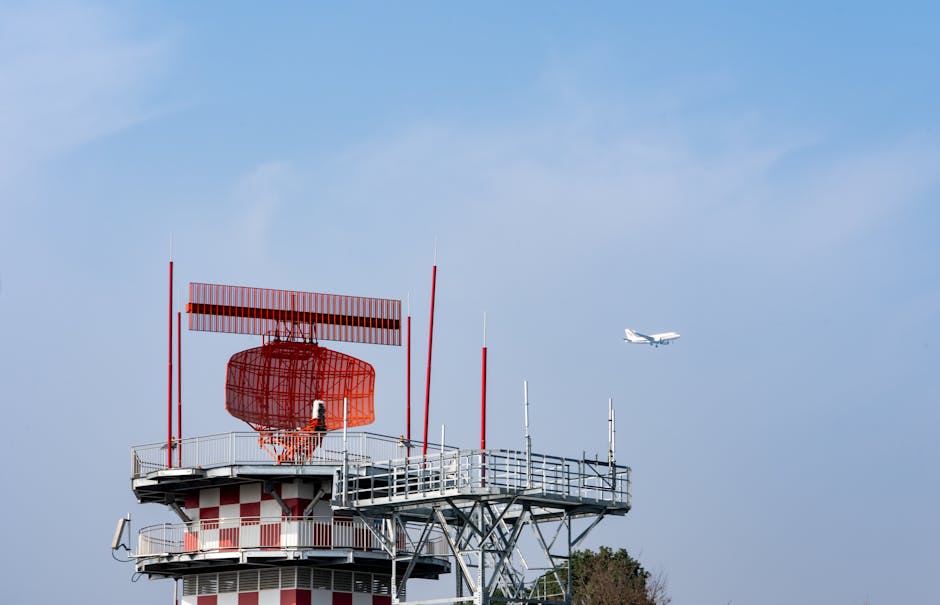
- Cutting-edge 3D technology allows users to track the flight path of nearly every plane in unprecedented detail.
- The innovation offers a level of transparency and insight previously unimaginable for air traffic control, enthusiasts, and the general public.
- Users can explore the cockpit of a plane in 3D, watching as pilots navigate through the skies and witness stunning views from the cockpit window.
- The technology uses advanced computer simulations and real-time data to recreate the flight experience in stunning 3D.
- The development has the potential to revolutionize the way we think about air travel from the aviation industry’s perspective and the flying public.
The next time you glance up at the sky and see a plane soaring overhead, you might be surprised to know that you can now follow its journey in unprecedented detail. Thanks to cutting-edge 3D technology, it’s possible to track the flight path of nearly every plane in the sky, from the moment it takes off to the moment it lands. This innovation has significant implications for air traffic control, aviation enthusiasts, and even the general public, offering a level of transparency and insight that was previously unimaginable. With this technology, users can explore the cockpit of a plane in 3D, watching as the pilots navigate through the skies, and even witness the stunning views from the cockpit window.
The Evolution of Flight Tracking

The ability to track flights in real-time is not new, but the level of detail and immersion provided by this 3D technology is a major breakthrough. In the past, flight tracking was limited to 2D maps and basic data such as altitude, speed, and location. However, this new technology uses advanced computer simulations and real-time data to recreate the flight experience in stunning 3D. This development matters now because it has the potential to revolutionize the way we think about air travel, from the perspective of both the aviation industry and the flying public. As the technology continues to improve, we can expect to see a wide range of applications, from enhanced safety features to more efficient air traffic control systems.
How 3D Flight Tracking Works

So, how does this technology work? The system uses a combination of real-time data from air traffic control, weather reports, and other sources to generate a highly accurate 3D model of the flight. This model includes the plane’s position, altitude, and velocity, as well as the surrounding environment, including terrain, weather patterns, and other air traffic. The result is a remarkably realistic and immersive experience, allowing users to feel as though they are sitting in the cockpit alongside the pilots. The technology is also highly scalable, allowing users to track multiple flights simultaneously and explore the air traffic control system in unprecedented detail.
Expert Analysis and Insights
According to aviation experts, this 3D flight tracking technology has the potential to transform the industry in a number of ways. For example, it could be used to improve safety by allowing air traffic controllers to anticipate and respond to potential hazards more effectively. It could also be used to optimize flight routes and reduce fuel consumption, leading to significant cost savings and a reduction in carbon emissions. Furthermore, the technology could be used to enhance the passenger experience, providing travelers with real-time updates and insights into their flight. As one expert noted, “This technology has the potential to revolutionize the way we think about air travel, from the perspective of both the aviation industry and the flying public.”
Implications and Applications
The implications of this technology are far-reaching and profound. For aviation enthusiasts, it provides a level of insight and immersion that was previously unimaginable. For the aviation industry, it offers a range of potential applications, from improved safety and efficiency to enhanced customer experience. Even the general public can benefit from this technology, gaining a deeper understanding of the complex systems and processes that underlie modern air travel. As the technology continues to evolve and improve, we can expect to see a wide range of innovative applications and uses, from virtual reality experiences to data-driven insights and analysis.
Expert Perspectives
Experts in the field are weighing in on the potential benefits and drawbacks of this technology. Some argue that it has the potential to revolutionize the aviation industry, while others raise concerns about privacy and security. As one expert noted, “While this technology has the potential to transform the industry, we need to carefully consider the potential risks and challenges, and ensure that it is developed and implemented in a responsible and sustainable way.” Another expert added, “This technology is a game-changer, but it’s not without its challenges – we need to ensure that it is used in a way that benefits both the industry and the public.”
As we look to the future, it’s clear that this 3D flight tracking technology is just the beginning. As the technology continues to evolve and improve, we can expect to see a wide range of innovative applications and uses. One open question is how this technology will be integrated into the broader air traffic control system, and what implications it will have for the future of air travel. Will it lead to more efficient and safe flights, or will it create new challenges and complexities? Only time will tell, but one thing is certain – this technology is set to revolutionize the way we think about air travel, and its impact will be felt for years to come.