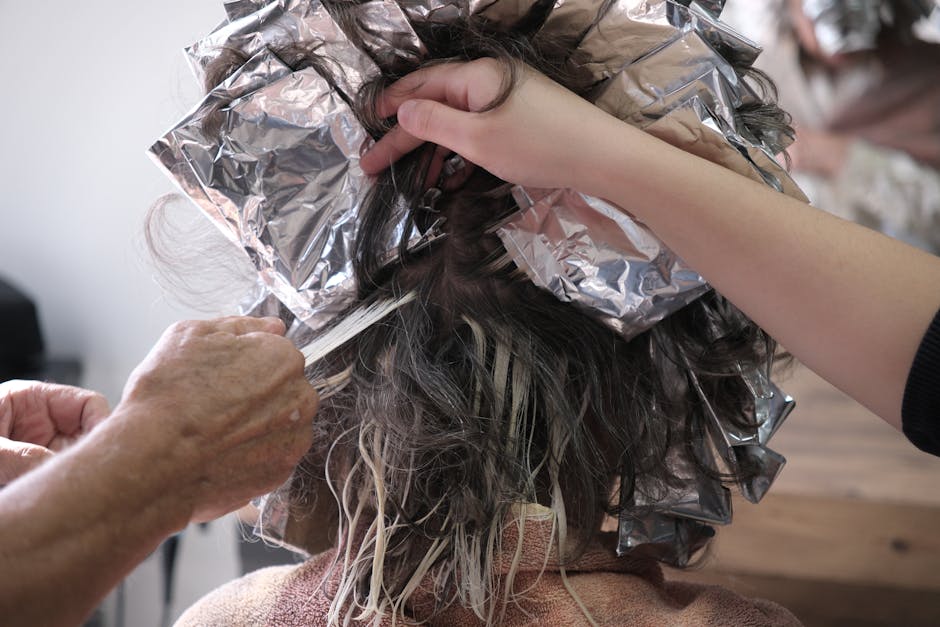
- The Zuvi ColorBox promises to print hair dye in hundreds of shades, but its performance falls short of expectations.
- The device struggles to manage two different shades accurately, raising concerns about its reliability.
- Despite its potential, the Zuvi ColorBox is not yet ready for prime time due to significant performance issues.
- The technology has the potential to democratize access to high-quality, personalized hair color, but it’s still in its infancy.
- The gap between the device’s promise and current reality is substantial, leaving many to question its viability.
The world of hair dyeing has just gotten a potentially groundbreaking new player: the Zuvi ColorBox, a device that promises to print hair dye in hundreds of different shades. This innovative technology could theoretically put an end to the tedious process of finding the perfect hair color at a salon, allowing users to achieve their desired look from the comfort of their own homes. However, after putting the Zuvi ColorBox to the test, it became painfully clear that this device is not yet ready for prime time, struggling to even manage two different shades accurately.
The Promise of Personalized Hair Color

The concept behind the Zuvi ColorBox is undeniably appealing. With the ability to create a vast array of hair dye shades, the device promises to democratize access to high-quality, personalized hair color. This could be especially beneficial for individuals with unique hair types or those who have struggled to find their perfect match in traditional salons. The technology also hints at a future where hair color can be as personalized and dynamic as the latest fashion trends. However, the gap between this promising future and the current reality of the Zuvi ColorBox is substantial, leaving many to wonder if such technology is still in its infancy.
Performance and Limitations

Upon testing the Zuvi ColorBox, it became evident that the device faces significant challenges in delivering on its promises. The most glaring issue was its inability to consistently produce the desired shades, with results often varying significantly from the selected color. This inconsistency is not only frustrating for users seeking a specific look but also raises questions about the device’s reliability and the potential health implications of using improperly mixed dyes. Furthermore, the process of using the Zuvi ColorBox, from preparation to application, was more cumbersome than anticipated, detracting from the overall user experience.
Technical Analysis and Expert Insights
A closer look at the technology behind the Zuvi ColorBox reveals a complex interplay of factors that could contribute to its performance issues. The device’s ability to mix and match different dye components to create a wide range of colors is theoretically sound, but the execution appears to be flawed. Experts in the field point to potential issues with the precision of the dye dispensing system, the quality of the dye components themselves, and the algorithms used to determine the exact mixtures for each shade. Addressing these technical challenges will be crucial for any future iterations of the device, should the manufacturer aim to improve its performance and reliability.
Implications for Consumers and the Hair Care Industry
The struggles of the Zuvi ColorBox to deliver on its promises have significant implications for both consumers and the hair care industry as a whole. For consumers, the device’s failures mean that the dream of easy, at-home, personalized hair coloring remains elusive. The hair care industry, meanwhile, faces a mixed bag: on one hand, the concept of the Zuvi ColorBox represents a potential disruption to traditional business models; on the other, the device’s shortcomings underscore the complexity and nuance of hair coloring, reinforcing the value of professional services.
Expert Perspectives
Experts in the beauty and technology sectors offer contrasting viewpoints on the Zuvi ColorBox’s potential. Some see the device as an important step towards democratizing access to personalized beauty services, emphasizing that initial hiccups are a normal part of innovation. Others are more skeptical, highlighting the significant technical and safety hurdles that must be overcome before such a device can be considered a viable alternative to traditional methods. This debate reflects the broader tension between the pursuit of technological advancement and the need for practical, reliable solutions that meet consumer needs.
Looking forward, the future of the Zuvi ColorBox and similar devices will depend on how effectively manufacturers can address the technical and user experience challenges that have plagued early models. As technology continues to evolve, it is possible that future iterations of at-home hair dye printers could overcome current limitations, offering consumers a convenient, reliable, and safe way to achieve their desired hair color. Until then, the question remains: can technology truly replace the art and science of professional hair coloring, or will devices like the Zuvi ColorBox forever be relegated to the fringes of the beauty world?