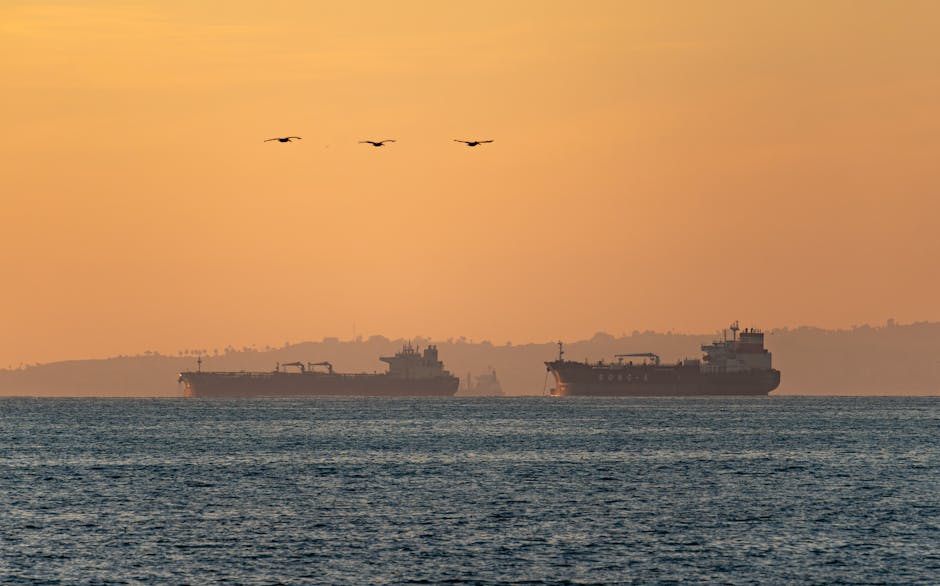
- The Strait of Hormuz is a critical waterway connecting the Persian Gulf to the Arabian Sea, with 20% of global oil trade passing through it daily.
- Escalating tensions in the region, fueled by geopolitical rivalries and military build-ups, have created a volatile environment.
- The recent decline in maritime traffic has significant implications for the global economy, energy markets, and regional stability.
- The Strait of Hormuz is a flashpoint in regional politics, with Iran, the US, and other global powers vying for influence and control.
- The increased military presence in the region has prompted Iran to respond with aggressive posturing, deterring ships from traversing the Strait.
The Strait of Hormuz, a critical waterway connecting the Persian Gulf to the Arabian Sea, witnessed an unprecedented decline in maritime traffic on Friday, with only two ships passing through the strategic chokepoint. This striking statistic underscores the escalating tensions in the region, where geopolitical rivalries and military build-ups have created an increasingly volatile environment. The Strait of Hormuz is a vital artery for global oil trade, with approximately 20% of the world’s petroleum passing through it every day. The sudden drop in traffic has significant implications for the global economy, energy markets, and regional stability.
Background and Significance

The Strait of Hormuz has long been a flashpoint in regional politics, with Iran, the United States, and other global powers vying for influence and control. The waterway’s strategic importance stems from its role as a conduit for oil exports from the Gulf states, including Saudi Arabia, Iraq, and the United Arab Emirates. The recent decline in ship traffic can be attributed to heightened security concerns, as the United States and its allies have increased their military presence in the region. This buildup has prompted Iran to respond with aggressive posturing, further exacerbating tensions and deterring ships from traversing the Strait.
Key Details and Actors

The two ships that passed through the Strait of Hormuz on Friday were reportedly escorted by naval vessels from the United States and the United Kingdom. The low volume of traffic is a stark contrast to the usual congestion in the waterway, where dozens of ships typically transit every day. The involved parties, including the United States, Iran, and other regional actors, are engaged in a complex game of cat and mouse, with each side seeking to assert its dominance and protect its interests. The situation is further complicated by the presence of other global powers, such as China and Russia, which have significant economic and strategic stakes in the region.
Analysis and Implications
Experts point to a combination of factors contributing to the decline in ship traffic, including the increased risk of military conflict, rising insurance premiums, and growing concerns over maritime security. The situation is also influenced by the ongoing trade tensions between the United States and Iran, which have led to a significant decline in Iranian oil exports. As the situation continues to unfold, analysts warn of potential disruptions to global oil supplies, which could have far-reaching consequences for energy markets and the broader economy. The International Energy Agency (IEA) has cautioned that a protracted conflict in the region could lead to a significant increase in oil prices, potentially triggering a global economic downturn.
Regional and Global Consequences
The implications of the declining ship traffic in the Strait of Hormuz are far-reaching, with potential consequences for regional stability, global energy markets, and the economy. The affected parties include not only the Gulf states and Iran but also major oil-importing countries, such as China, Japan, and the European Union. As the situation continues to deteriorate, there are growing concerns over the potential for miscalculation or accidental conflict, which could have catastrophic consequences for the region and the world at large. The United Nations has urged all parties to exercise restraint and engage in diplomatic efforts to de-escalate tensions and find a peaceful resolution to the crisis.
Expert Perspectives
Experts offer contrasting viewpoints on the situation, with some warning of an imminent conflict and others advocating for a more nuanced approach. According to Dr. Sanam Vakil, a leading expert on Middle East politics, “the situation in the Strait of Hormuz is a classic example of a security dilemma, where the actions of one party are perceived as a threat by another, leading to an escalating cycle of tension and mistrust.” In contrast, Dr. Hussein Ibish argues that “the decline in ship traffic is a temporary phenomenon, driven by short-term security concerns, and that the region will eventually return to a state of normalcy once the current tensions subside.”
As the situation in the Strait of Hormuz continues to unfold, it is essential to watch for potential flashpoints, including the upcoming OPEC meeting, which may provide insight into the future of global oil production and the region’s stability. The open question remains whether the involved parties can find a way to de-escalate tensions and restore stability to the region, or if the situation will continue to deteriorate, potentially leading to a catastrophic conflict. One thing is certain: the world will be closely watching the Strait of Hormuz in the coming days and weeks, as the fate of global oil supplies and regional stability hang in the balance.