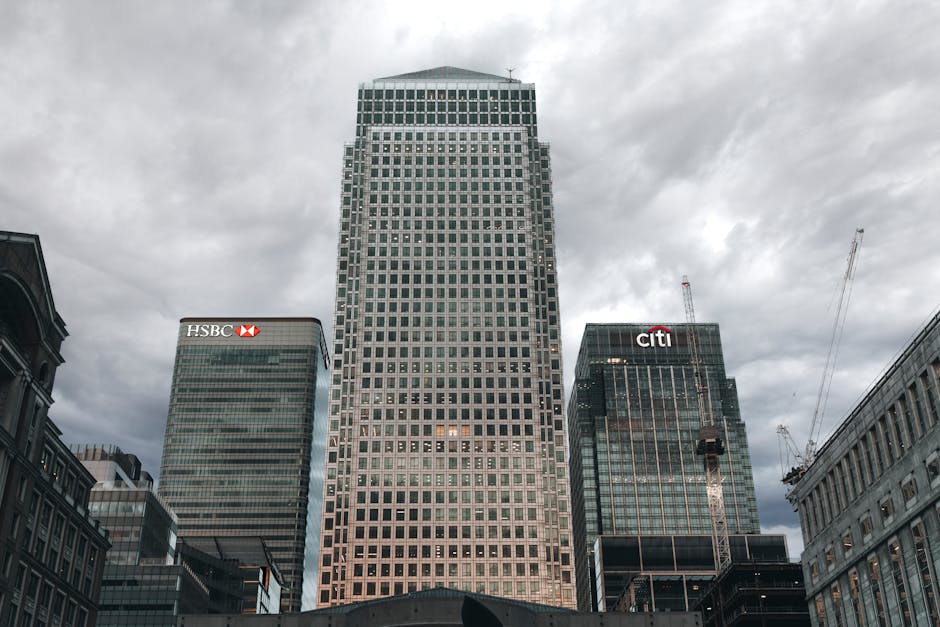
- The Federal Reserve is investigating US banks’ exposure to private credit firms due to growing concerns over potential risks to financial stability.
- Private credit firms have experienced rapid growth in recent years, operating largely operating outside traditional banking regulations.
- Regulators worry that a downturn in the economy could lead to a surge in defaults, potentially destabilizing the financial system.
- The Fed’s inquiry aims to assess the extent to which banks are invested in or lend to private credit firms.
- The move is seen as a prudent step towards assessing and mitigating potential risks in the financial sector.
The Federal Reserve has begun asking US banks about their exposure to private credit firms, a move that underscores growing concerns over the potential risks these firms pose to financial stability. According to a report by Bloomberg, the Fed’s inquiry is aimed at assessing the extent to which banks are invested in or lend to private credit firms, which have experienced rapid growth in recent years. This development is striking, given that private credit firms have largely operated outside the purview of traditional banking regulations, and their activities have raised worries among regulators and investors alike.
Background and Context

The Fed’s inquiry into US banks’ exposure to private credit firms comes at a time when regulators are increasingly focused on monitoring systemic risk in the financial sector. Private credit firms, which provide loans to companies and individuals, have grown significantly in recent years, with many of these firms relying on debt financing to fund their operations. This growth has raised concerns among regulators, who worry that a downturn in the economy could lead to a surge in defaults, potentially destabilizing the financial system. As such, the Fed’s move to gather more information on banks’ exposure to these firms is seen as a prudent step towards assessing and mitigating potential risks.
Key Details of the Inquiry

While the specifics of the Fed’s inquiry are not publicly known, it is understood that the regulator is seeking detailed information from US banks about their relationships with private credit firms. This includes data on the amount of money banks have invested in or lent to these firms, as well as information on the types of assets held by the private credit firms. The inquiry is also likely to examine the extent to which banks are exposed to potential losses in the event of a downturn in the private credit market. By gathering this information, the Fed aims to gain a better understanding of the potential risks posed by private credit firms and to assess the resilience of the banking system in the face of potential shocks.
Analysis and Implications
The Fed’s inquiry into US banks’ exposure to private credit firms reflects a growing recognition of the potential risks posed by these firms to financial stability. Private credit firms have grown rapidly in recent years, with many of these firms taking on significant amounts of debt to fund their operations. This has raised concerns among regulators, who worry that a downturn in the economy could lead to a surge in defaults, potentially destabilizing the financial system. Furthermore, the lack of transparency and regulatory oversight in the private credit market has made it difficult for regulators to assess the extent of the risks posed by these firms. By examining banks’ exposure to private credit firms, the Fed is taking a crucial step towards understanding and mitigating these risks.
Potential Consequences
The implications of the Fed’s inquiry are far-reaching, with potential consequences for both the banking sector and the broader economy. If the Fed were to determine that US banks have significant exposure to private credit firms, it could lead to increased regulatory scrutiny and potentially even stricter capital requirements for banks. This, in turn, could have a ripple effect throughout the financial system, potentially leading to reduced lending and slower economic growth. On the other hand, if the inquiry were to reveal that banks’ exposure to private credit firms is limited, it could provide reassurance to investors and regulators alike, helping to maintain confidence in the financial system.
Expert Perspectives
Experts are divided on the significance of the Fed’s inquiry, with some viewing it as a necessary step towards ensuring financial stability, while others see it as an overreach of regulatory authority. According to one expert, the inquiry is a prudent move, given the potential risks posed by private credit firms. However, another expert argues that the Fed’s actions could have unintended consequences, such as reducing the availability of credit to businesses and individuals. As such, the inquiry has sparked a lively debate among experts, with some calling for greater regulatory oversight of private credit firms, while others advocate for a more laissez-faire approach.
Looking ahead, the outcome of the Fed’s inquiry is likely to be closely watched by investors, regulators, and businesses alike. As the regulator continues to gather information and assess the potential risks posed by private credit firms, it is likely that we will see further developments in this story. One key question that remains to be answered is how the Fed will use the information gathered from its inquiry, and what steps it will take to mitigate any potential risks to financial stability. As such, this is a story that will continue to unfold in the coming weeks and months, with significant implications for the US economy and the global financial system.