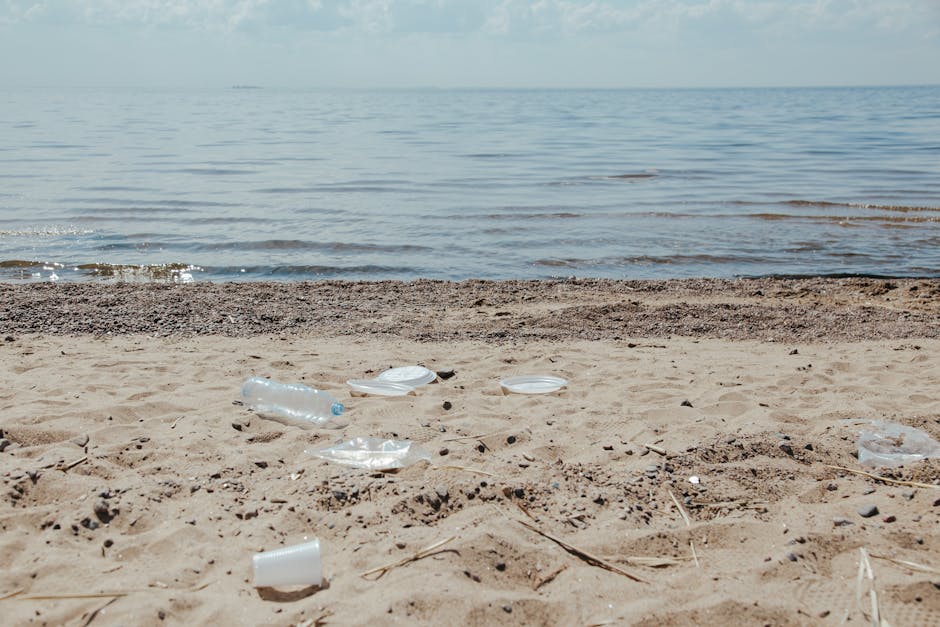
- The EPA has announced a plan to target microplastics and drugs in drinking water due to their devastating effects on human health.
- Over 80% of tap water samples worldwide contain microplastics, with the US having some of the highest levels of contamination.
- The EPA’s move is seen as a significant step towards addressing the issue of microplastics and drugs in drinking water.
- The presence of microplastics and drugs in drinking water has been linked to health problems such as cancer, reproductive issues, and neurological damage.
- The lack of effective regulation and oversight has led to widespread contamination of water sources, highlighting the need for urgent action.
The presence of microplastics and drugs in drinking water has become a pressing concern in recent years, with studies suggesting that these substances can have devastating effects on human health. According to a recent report, over 80% of tap water samples from around the world contain microplastics, with the United States being one of the countries with the highest levels of contamination. In a bid to address this issue, the Environmental Protection Agency (EPA) has announced a new plan to target microplastics and drugs in drinking water, a move that has drawn praise from health advocates and critics of the agency’s handling of toxic chemicals.
Background and Significance

The EPA’s decision to tackle microplastics and drugs in drinking water comes at a critical time, as the issue has been gaining increasing attention from the public and policymakers alike. The presence of these substances in drinking water has been linked to a range of health problems, including cancer, reproductive issues, and neurological damage. Furthermore, the lack of effective regulation and oversight has led to widespread contamination of water sources, highlighting the need for urgent action. The EPA’s move is seen as a significant step towards addressing this issue and restoring public trust in the agency’s ability to protect the nation’s water supply.
Key Details of the Plan

The EPA’s plan to remove microplastics and drugs from drinking water involves a multi-faceted approach, including the development of new technologies and treatment methods, as well as stricter regulations and enforcement. The agency has announced that it will be working with state and local authorities to implement the plan, which will involve the testing of water samples and the identification of sources of contamination. Additionally, the EPA will be providing funding and technical assistance to help utilities and water treatment plants upgrade their infrastructure and implement new technologies. The plan has been welcomed by leaders of the Make America Healthy Again movement, who had recently criticized the agency’s handling of toxic chemicals.
Analysis and Implications
The EPA’s plan to target microplastics and drugs in drinking water has significant implications for public health and the environment. The removal of these substances from drinking water will help to reduce the risk of health problems associated with their consumption, and will also help to protect aquatic ecosystems and wildlife. Furthermore, the plan is seen as a major step towards addressing the broader issue of water pollution, which is a critical challenge facing the nation. However, the success of the plan will depend on a range of factors, including the level of funding and support provided, as well as the effectiveness of the technologies and treatment methods used. Experts have warned that the plan will require significant investment and resources, and that it will be important to monitor its progress and adjust the approach as needed.
Implications for Public Health
The EPA’s plan to remove microplastics and drugs from drinking water will have significant implications for public health, particularly for vulnerable populations such as children, pregnant women, and people with compromised immune systems. The consumption of microplastics and drugs has been linked to a range of health problems, including cancer, reproductive issues, and neurological damage. By removing these substances from drinking water, the EPA’s plan will help to reduce the risk of these health problems and will provide greater protection for public health. Additionally, the plan will help to address health disparities and promote environmental justice, as low-income and minority communities are often disproportionately affected by water pollution.
Expert Perspectives
Experts have welcomed the EPA’s plan to target microplastics and drugs in drinking water, but have also cautioned that more needs to be done to address the broader issue of water pollution. According to Dr. Maria Rodriguez, a leading expert on water quality, “the EPA’s plan is a significant step in the right direction, but it is only the beginning. We need to see more investment in water infrastructure and more effective regulation of pollutants if we are to truly protect public health and the environment.” Others have warned that the plan may not go far enough, and that more stringent regulations and enforcement are needed to address the scale and complexity of the problem.
Looking ahead, it will be important to monitor the progress of the EPA’s plan and to adjust the approach as needed. The agency will need to work closely with state and local authorities, as well as with utilities and water treatment plants, to ensure that the plan is implemented effectively and that the necessary resources are provided. Additionally, there will need to be ongoing research and development of new technologies and treatment methods, as well as more effective regulation and enforcement of pollutants. As the nation grapples with the challenges of water pollution, the EPA’s plan to remove microplastics and drugs from drinking water is a critical step towards a healthier and more sustainable future.