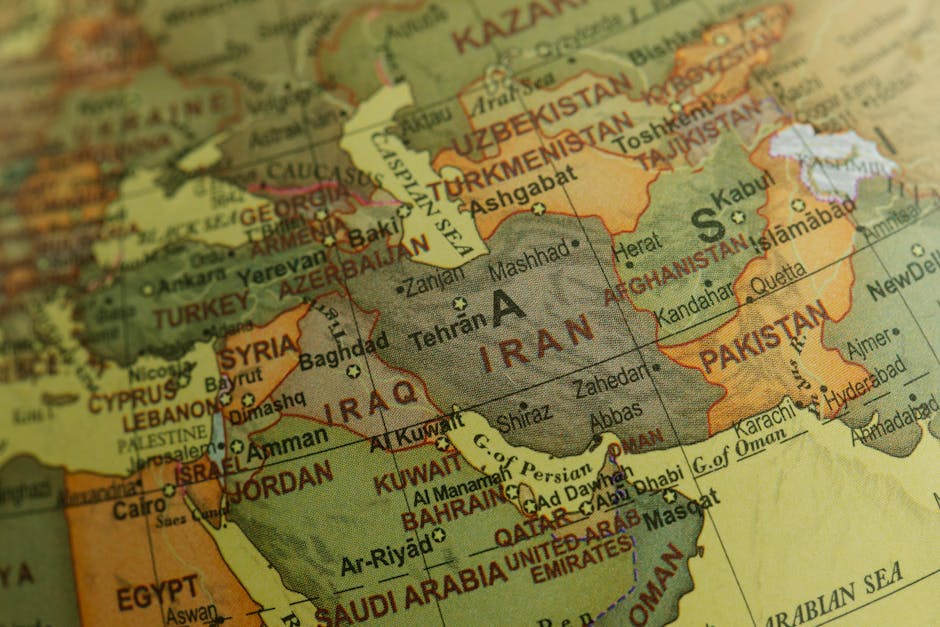
- The Strait of Hormuz, a critical oil shipping route, has been partially blockaded by Iranian forces, sparking rising tensions between the US, UK, and Iran.
- US President Donald Trump and British Prime Minister Starmer discussed ‘military capabilities’ to reopen the Strait, highlighting the escalating conflict in the region.
- The UK and US consider the Strait a vital interest, with both nations having a history of involvement in the region, citing its strategic importance.
- A prolonged closure of the Strait could lead to skyrocketing oil prices and widespread economic instability, affecting the global economy.
- The international community is increasingly concerned about the potential for a wider conflict in the region, with experts warning of devastating effects on the global economy.
The Strait of Hormuz, a vital shipping route for global oil supplies, has been at the center of rising tensions between the US, UK, and Iran. In a striking revelation, British Prime Minister Starmer disclosed that he and US President Donald Trump had discussed “military capabilities” to reopen the Strait, which has been partially blockaded by Iranian forces. This admission has significant implications for global security and the economy, highlighting the escalating conflict in the region. With nearly 20% of the world’s oil passing through the Strait, any disruption to shipping lanes could have far-reaching consequences for the global economy.
The Strategic Importance of the Strait of Hormuz

The Strait of Hormuz is a critical waterway connecting the Persian Gulf to the Gulf of Oman, and its closure could have devastating effects on the global economy. The UK and US have long considered the Strait a vital interest, with both nations having a history of involvement in the region. The current tensions have been exacerbated by Iranian aggression, including the seizure of foreign tankers and attacks on Saudi oil facilities. As the situation continues to deteriorate, the international community is increasingly concerned about the potential for a wider conflict. The Strait’s strategic importance cannot be overstated, with experts warning that a prolonged closure could lead to skyrocketing oil prices and widespread economic instability.
Military Options on the Table

According to Prime Minister Starmer, the discussions with President Trump centered on exploring military options to reopen the Strait. While the details of these talks remain classified, it is clear that both leaders are considering a range of scenarios, including potential military action against Iranian forces. The involvement of the US and UK militaries would significantly escalate the conflict, with potentially catastrophic consequences for the region. The international community is watching with bated breath as the situation unfolds, with many calling for a diplomatic resolution to the crisis. As the world teeters on the brink of a wider conflict, the need for careful consideration and restraint has never been more pressing.
Analysis of the Crisis
Experts point to a combination of factors contributing to the current crisis, including Iranian aggression, US sanctions, and the collapse of the nuclear deal. The situation has been further complicated by the involvement of other regional actors, including Saudi Arabia and the UAE. As the conflict escalates, the potential for miscalculation and unintended consequences grows. The international community must navigate a complex web of alliances and rivalries, all while avoiding a catastrophic war. With the stakes higher than ever, the need for a coordinated and diplomatic response has never been more urgent. The crisis in the Strait of Hormuz serves as a stark reminder of the interconnectedness of global security and the economy, highlighting the need for careful consideration and strategic thinking.
Implications of the Conflict
The implications of the conflict in the Strait of Hormuz are far-reaching, with potential consequences for global oil prices, trade, and security. A prolonged closure of the Strait could lead to shortages and price increases, having a devastating impact on economies around the world. The conflict also has significant implications for regional stability, with the potential for a wider war drawing in other nations. As the situation continues to unfold, the international community must consider the potential consequences of its actions, weighing the need for security against the risk of escalation. The world is holding its breath as the crisis deepens, with the need for a peaceful resolution more pressing than ever.
Expert Perspectives
Experts are divided on the best course of action, with some advocating for a strong military response to Iranian aggression. Others, however, argue that diplomacy and negotiation offer the only viable path forward, citing the devastating consequences of a wider conflict. As the situation continues to evolve, it is clear that there are no easy answers, and the international community must carefully consider its next steps. The need for a nuanced and informed approach has never been more pressing, as the world navigates the complexities of the crisis in the Strait of Hormuz. With the stakes higher than ever, the international community must come together to find a peaceful and sustainable solution.
As the crisis in the Strait of Hormuz continues to unfold, the world is left wondering what the future holds. Will the international community find a way to peacefully resolve the conflict, or will the situation escalate into a wider war? The answer to this question remains uncertain, but one thing is clear: the need for careful consideration, strategic thinking, and diplomacy has never been more pressing. The world is watching with bated breath as the situation develops, hoping against hope that a peaceful resolution can be found. The coming days and weeks will be critical in determining the course of the conflict, and the international community must remain vigilant and engaged in the pursuit of peace.