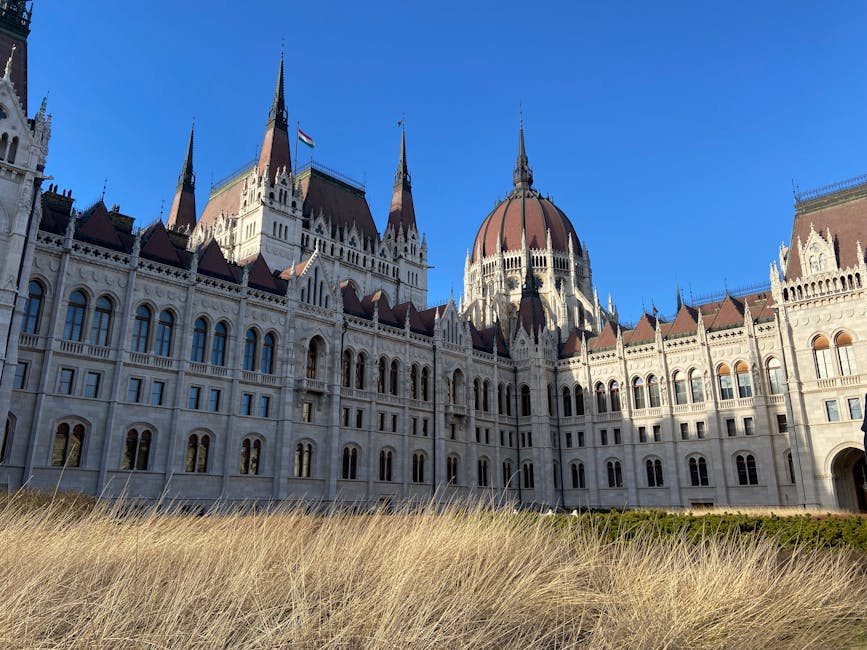
As Hungary prepares to head to the polls on Sunday, a striking fact has emerged: a growing list of high-profile defections from Prime Minister Viktor Orban’s party, Fidesz. With Orban seeking to extend his 12-year grip on power, the defections have sparked concern among his loyalists and raised questions about the party’s ability to maintain its dominance. The defections, which include several notable politicians and public figures, have been driven by a range of factors, including disagreements over policy and concerns about the party’s increasingly authoritarian tone.
Background to the Defections

The defections are significant because they come at a time when Orban’s popularity is already under pressure. The Hungarian economy is facing significant challenges, including high inflation and a large budget deficit, and many voters are increasingly disillusioned with the government’s handling of these issues. Furthermore, the European Union has been critical of Orban’s government, accusing it of undermining the rule of law and eroding democratic institutions. As a result, the defections have the potential to further weaken Orban’s position and create an opportunity for the opposition to gain ground.
Key Details of the Defections

The defections have included several high-profile figures, including former Fidesz politicians and public officials who have spoken out against Orban’s leadership. One of the most notable defectors is a former Fidesz MP who has accused the party of becoming increasingly authoritarian and intolerant of dissent. Other defectors have cited concerns about the party’s handling of the economy and its relations with the European Union. The defections have been welcomed by the opposition, which sees them as a sign of growing discontent with Orban’s government and a potential opportunity to win over undecided voters.
Analysis of the Defections
Analysts say that the defections reflect a deeper crisis within Fidesz, which has been in power since 2010. The party has long been dominated by Orban, who has centralized power and suppressed dissent. However, this approach has created resentment among some party members, who feel that their views are not being represented. The defections also reflect a growing divide between Orban’s loyalists and those who are increasingly critical of his leadership. According to some polls, Orban’s popularity has declined significantly in recent months, and the defections may be a sign that his support is beginning to erode.
Implications of the Defections
The implications of the defections are significant, both for Orban’s government and for the wider political landscape in Hungary. If the opposition is able to capitalize on the defections and win over undecided voters, it could potentially lead to a change in government. Even if Orban’s party is able to maintain its majority, the defections may weaken his position and create an opportunity for the opposition to push for reforms. The defections may also have implications for Hungary’s relations with the European Union, which has been critical of Orban’s government and may view the defections as a sign of growing opposition to his leadership.
Expert Perspectives
Experts are divided on the significance of the defections, with some seeing them as a major blow to Orban’s government and others downplaying their importance. One analyst noted that while the defections are a sign of growing discontent with Orban’s leadership, they may not necessarily translate into votes for the opposition. Another expert argued that the defections reflect a deeper crisis within Fidesz and may be a sign that the party is beginning to fragment.
Looking ahead to the election, the key question is whether the opposition will be able to capitalize on the defections and win over undecided voters. With the polls showing a tight race, the outcome is far from certain. One thing is clear, however: the defections have created an opportunity for the opposition to challenge Orban’s dominance and potentially create a new era in Hungarian politics. As the election approaches, all eyes will be on Hungary to see how the defections will impact the outcome and what the future holds for Orban’s government.