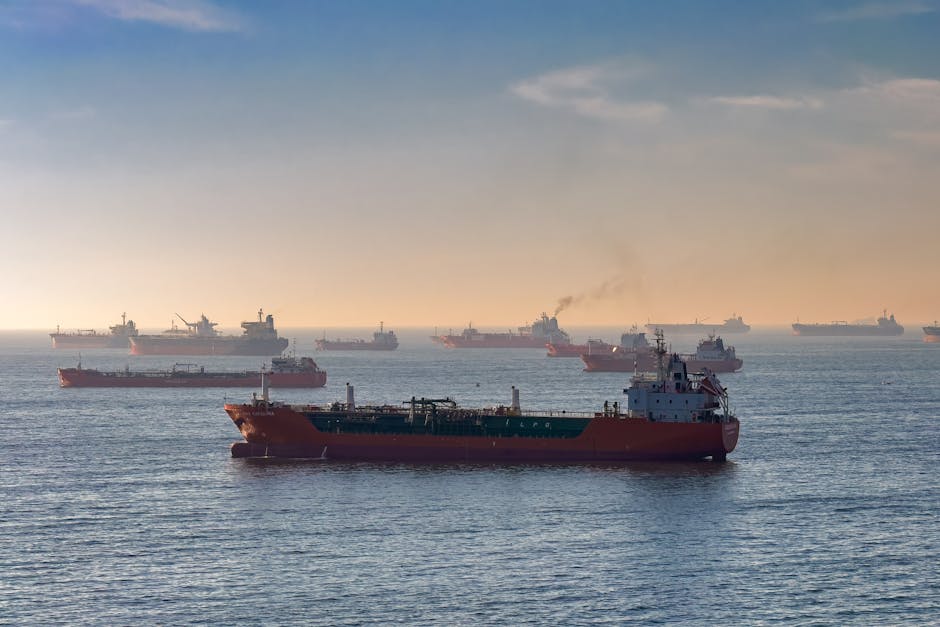
- The Strait of Hormuz is a critical waterway, responsible for approximately 20% of the world’s oil trade, impacting global energy politics.
- Any disruption to the Strait of Hormuz can send shockwaves through the global energy market, influencing oil and gas prices.
- Restoring the flow of energy through the strait won’t immediately lower gas prices due to the need for lengthy repairs at dozens of energy sites.
- The strait’s narrowness and shallow depth make it vulnerable to disruptions from natural causes or human actions.
- Establishing diverse and resilient energy supply chains can mitigate the impact of disruptions to the Strait of Hormuz.
The Strait of Hormuz, a critical waterway connecting the Persian Gulf to the Arabian Sea, has long been a flashpoint in global energy politics. With approximately 20% of the world’s oil passing through this narrow strait, any disruption to the flow of energy has significant implications for the global economy. Recently, the strait has been at the center of heightened tensions, sparking concerns over the potential for soaring gas prices. However, even if the flow of energy is restored, it will take months to carry out repairs across dozens of energy sites in the region, meaning that gas prices won’t immediately decrease.
The Strategic Importance of the Strait of Hormuz

The Strait of Hormuz is a vital passage for international oil trade, with many of the world’s largest oil-producing countries, including Saudi Arabia, Iraq, and Iran, relying on it to export their crude oil. The strait’s narrowness and shallow depth make it particularly susceptible to disruption, whether from natural causes or human actions. As such, any incident affecting the strait’s operation has the potential to send shockwaves through the global energy market, influencing the price of oil and, by extension, gas prices. The current situation underscores the need for diverse and resilient energy supply chains to mitigate the impact of such disruptions.
Recent Developments and Key Players

Recent events in the region have highlighted the complex geopolitical dynamics at play. Tensions between major world powers and regional actors have led to a heightened state of alert, with multiple parties vying for influence over this critical energy corridor. Key players, including the United States, China, and European nations, have significant interests in maintaining the free flow of oil through the strait. Meanwhile, regional powers such as Iran and Saudi Arabia are also closely involved, each pursuing their own strategic objectives in the area. Understanding the roles and motivations of these actors is crucial for grasping the full context of the situation and its potential outcomes.
Analysis of the Crisis and Its Consequences
The crisis in the Strait of Hormuz serves as a stark reminder of the interconnectedness of the global energy system and the potential vulnerabilities that come with it. From an economic perspective, the immediate effects of any disruption would likely be felt in the form of increased oil prices, as supply chains are impacted and markets adjust to the new reality. However, the longer-term consequences could be even more profound, potentially leading to a reevaluation of global energy strategies and investments in alternative energy sources. Experts point to the importance of diversification and the development of more resilient energy infrastructures to mitigate the effects of future crises.
Implications for Global Energy Markets
The implications of the Strait of Hormuz crisis for global energy markets are far-reaching. Consumers, particularly in regions heavily reliant on oil imports, could face higher energy costs in the short term. Furthermore, the uncertainty surrounding the situation could lead to volatility in financial markets, as investors weigh the potential risks and opportunities arising from the crisis. The response of major economies and international organizations will be critical in shaping the outcome, with coordinated efforts likely needed to stabilize the energy market and support affected economies.
Expert Perspectives
Experts in the field offer contrasting viewpoints on the situation, reflecting the complexity and multifaceted nature of the crisis. Some argue that the immediate priority should be to de-escalate tensions and restore the free flow of oil, citing the potential for catastrophic economic consequences if the situation is not resolved quickly. Others, however, suggest that the crisis presents an opportunity for the global community to reassess its reliance on fossil fuels and accelerate the transition to cleaner, more sustainable energy sources. These differing perspectives highlight the need for a nuanced and informed discussion about the future of global energy.
Looking forward, the key question is how the international community will respond to the challenges posed by the Strait of Hormuz crisis. Will the situation serve as a catalyst for change, prompting investments in renewable energy and more resilient supply chains, or will it reinforce existing patterns of dependence on fossil fuels? The answer to this question will have significant implications for the future of global energy, the environment, and the economy, making the coming months and years a critical period for decision-makers and stakeholders around the world.