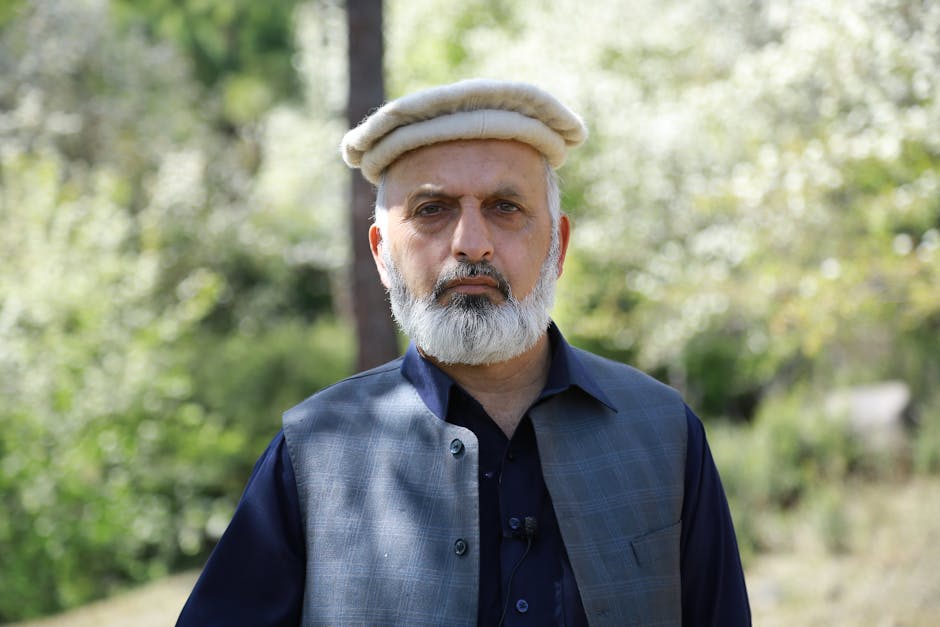
- JD Vance’s meeting with Pakistani PM Shehbaz Sharif indicates a strategic effort to build consensus among regional players.
- The meeting highlights the complex geopolitical landscape of the region, with alliances being forged and tensions running high.
- Pakistan’s unique position makes it a crucial player in facilitating dialogue between the US and Iran.
- The timing of the meeting underscores the urgency and importance of diplomatic efforts to de-escalate tensions in the region.
- The outcome of these talks could have far-reaching implications for global security and stability.
In a significant development, JD Vance, a key figure in US foreign policy, has met with Pakistani Prime Minister Shehbaz Sharif in Islamabad, just ahead of potential talks with Iran. This high-level meeting underscores the complex geopolitical landscape of the region, where alliances are being forged and tensions are running high. The fact that Vance chose to meet with Sharif before engaging with Iranian officials suggests a strategic effort to build consensus and leverage among regional players. As the world watches with bated breath, the outcome of these talks could have far-reaching implications for global security and stability.
Regional Dynamics and the Road to Talks

The meeting between Vance and Sharif is particularly noteworthy given the current state of relations between the US, Pakistan, and Iran. Pakistan, with its unique position in the region, has long been a crucial player in facilitating dialogue between the US and Iran. The country’s historical ties with both nations, coupled with its own security concerns, make it an indispensable intermediary. The timing of this meeting is also significant, as it comes on the heels of heightened rhetoric and military posturing in the region, underscoring the urgency and importance of diplomatic efforts to de-escalate tensions.
Key Players and Their Roles

JD Vance, known for his hawkish stance on Iran, brings a level of seriousness and gravity to the negotiations. His meeting with Prime Minister Sharif is a clear indication that the US is seeking to bolster its alliances in the region before sitting down with Iranian officials. Sharif, on the other hand, faces the daunting task of balancing Pakistan’s relations with both the US and Iran, while also addressing his country’s internal security and economic challenges. The involvement of these key players highlights the complexity and the high stakes of the negotiations, where every move and statement is being closely watched and analyzed.
Analysis of the Situation
Experts point to the meeting as a strategic move by the US to strengthen its position ahead of talks with Iran. By securing the support or at least the neutrality of Pakistan, the US aims to present a unified front against Iranian aggression. The analysis also suggests that the US is keen on using Pakistan as a conduit to influence Iranian policy, particularly concerning its nuclear program and regional activities. However, the path ahead is fraught with challenges, including deep-seated mistrust between the parties involved and the ever-present risk of miscalculation that could lead to conflict.
Implications for the Region and Beyond
The implications of these developments are far-reaching, affecting not only the immediate region but also global geopolitics. A successful outcome to the talks could pave the way for a reduction in tensions and potentially even a new era of cooperation between historical adversaries. Conversely, failure could exacerbate existing conflicts, drawing in other regional and global powers and threatening to destabilize the already volatile Middle East. The ripple effects of such an outcome could be felt in energy markets, global security frameworks, and the balance of power among nations.
Expert Perspectives
Experts in international relations offer contrasting views on the potential outcomes of these talks. Some see the engagement as a positive step towards diplomacy, highlighting the willingness of parties to negotiate as a sign of maturity and a desire for peace. Others are more pessimistic, citing the deep-seated issues and mistrust that have historically plagued relations between the US and Iran, and questioning whether real progress can be made. As one expert noted, “The challenge lies not in getting parties to the table, but in ensuring that all sides are willing to make the necessary compromises for a lasting agreement.”
Looking forward, the international community will be closely watching the next steps in this diplomatic dance. The question on everyone’s mind is whether these talks will mark a turning point in the region’s history, leading to a more peaceful and cooperative future, or if they will succumb to the weight of historical grievances and contemporary challenges. As the situation continues to evolve, one thing is clear: the coming weeks and months will be critical in determining the trajectory of regional and global security for years to come.