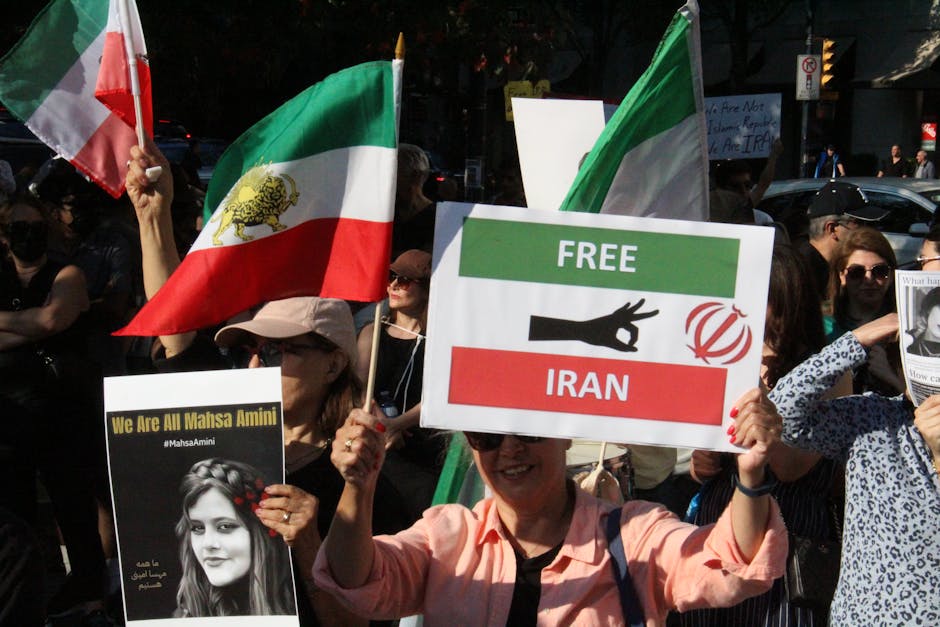
- Over 70% of Iranians support a return to the negotiating table, indicating a desire for peace.
- Decades of tension between Iran and the West have led to the current conflict.
- Negotiations are seen as a crucial step towards achieving a peaceful resolution.
- Historical, cultural, and political factors have contributed to the complexity of the conflict.
- A lasting peace in Iran is dependent on resolving issues like nuclear proliferation and human rights.
The ongoing conflict in Iran has sparked intense debate about the possibility of a peaceful resolution. With negotiations underway, many are wondering if a diplomatic solution can be reached. One striking fact is that over 70% of Iranians support a return to the negotiating table, highlighting the desire for peace among the population. As the international community watches with bated breath, the question remains: can Iran negotiations lead to lasting peace? The answer lies in the complex web of historical, cultural, and political factors that have led to this point. Redi Tlhabi recently spoke to former Iran and US diplomats to gain insight into the hopes and challenges of these negotiations.
Background to the Conflict

The current situation in Iran is a culmination of decades of tension between Iran and the West. The 1979 Islamic Revolution marked a significant turning point in Iran’s history, leading to the establishment of an Islamic republic and a subsequent deterioration in relations with the United States. The conflict has been further complicated by issues such as nuclear proliferation, human rights, and regional influence. As the conflict escalates, the humanitarian toll continues to rise, with thousands of civilians caught in the crossfire. The international community has been calling for a peaceful resolution, and negotiations are seen as a crucial step towards achieving this goal. The negotiations are not just about resolving the current conflict but also about addressing the underlying issues that have led to this point.
Key Players and Developments

The negotiations involve key players from Iran, the United States, and other international stakeholders. Former Iran diplomats, such as Seyed Hossein Mousavian, have expressed optimism about the talks, citing the willingness of all parties to engage in constructive dialogue. On the other hand, former US diplomats, such as Dennis Ross, have emphasized the need for caution, highlighting the complexities and challenges involved in reaching a mutually acceptable agreement. The talks have been marked by moments of tension and breakthroughs, with both sides making concessions and compromises. The international community is watching closely, with many countries offering support and encouragement for the negotiations. As the talks progress, it remains to be seen whether the parties can overcome their differences and reach a lasting agreement.
Analysis of the Negotiations
An analysis of the negotiations reveals a complex interplay of factors, including political, economic, and cultural considerations. The Iranian government is under pressure from various factions, including hardliners who oppose any compromise with the West. On the other hand, the US administration is facing opposition from some lawmakers who are skeptical about the negotiations. Despite these challenges, the negotiations have made significant progress, with both sides agreeing on key principles and framework for a deal. Experts point to the importance of building trust and confidence between the parties, as well as addressing the underlying issues that have led to the conflict. The negotiations are also being influenced by regional dynamics, including the role of other Middle Eastern countries and the impact of the conflict on the global economy.
Implications of a Peaceful Resolution
A peaceful resolution to the conflict in Iran would have far-reaching implications for the region and the world. It would mark a significant shift in the geopolitical landscape, with potential benefits for global security, trade, and economic stability. The people of Iran would be the biggest winners, with an end to the conflict bringing much-needed relief and hope for a better future. A peaceful resolution would also have implications for other countries in the region, including Iraq, Syria, and Yemen, where conflicts are ongoing. The international community would need to play a supportive role in helping to rebuild and stabilize the region, with a focus on promoting economic development, human rights, and social justice.
Expert Perspectives
Experts have differing views on the likelihood of a peaceful resolution. Some, like former US diplomat, Richard Haass, believe that the negotiations are a crucial step towards peace, but that significant challenges remain. Others, like Iranian scholar, Vali Nasr, argue that the talks are a positive development, but that the Iranian government must do more to address human rights and democratic reforms. Despite these differing perspectives, there is a broad consensus that the negotiations are a step in the right direction and that a peaceful resolution is possible. The experts emphasize the need for patience, persistence, and creativity in finding solutions to the complex issues involved.
As the negotiations continue, the international community will be watching closely to see what the future holds. One open question is whether the parties can overcome their differences and reach a lasting agreement. The answer will depend on a variety of factors, including the willingness of the parties to compromise, the role of external actors, and the ability of the international community to support and facilitate the negotiations. As Redi Tlhabi’s interviews with former diplomats highlight, there are reasons to be hopeful, but also reasons to be cautious. Ultimately, the outcome of the negotiations will depend on the ability of the parties to find common ground and work towards a shared goal of peace and stability in the region.