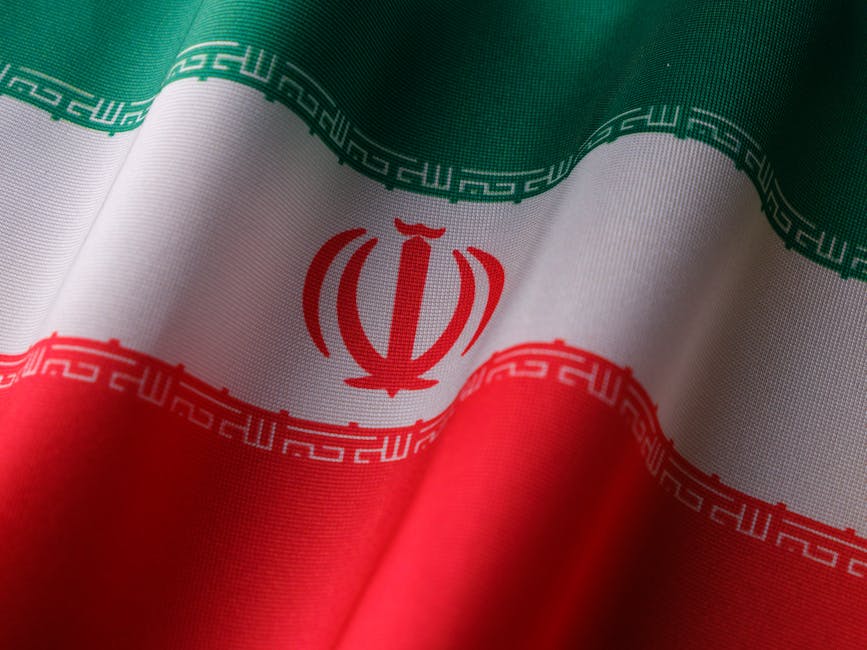
- Iran has maintained a consistent stance in the conflict with the US, refusing to back down on its core demands.
- The US has shifted its war aims, alternating between seeking regime change and a diplomatic solution, while Iran has remained steadfast.
- Iran’s demands include the removal of US sanctions and recognition of its regional influence.
- The conflict’s roots lie in the US withdrawal from the JCPOA in 2018, leading to significant economic pressures on Iran.
- Iran’s commitment to its demands may pose a challenge in potential peace talks with the US.
The past year has seen a significant escalation of tensions between the US and Iran, with both countries engaging in a war of words and sporadic military clashes. One striking fact that has emerged from this conflict is Iran’s unwavering commitment to its demands, despite the constantly shifting war aims of the US. While President Trump has alternated between calling for regime change and seeking a diplomatic solution, Iran has stuck to its core requirements, including the removal of US sanctions and a recognition of its regional influence. This consistency has raised questions about Iran’s approach to potential peace talks, and whether it will be willing to compromise on its key demands.
Background to the Conflict

The current tensions between the US and Iran have their roots in the US withdrawal from the Joint Comprehensive Plan of Action (JCPOA), also known as the Iran nuclear deal, in 2018. The JCPOA had imposed significant restrictions on Iran’s nuclear program in exchange for relief from economic sanctions. However, the US withdrawal and subsequent reimposition of sanctions have had a devastating impact on Iran’s economy, leading to widespread protests and a significant decline in living standards. Iran’s consistent demands are, in part, a response to these economic pressures, and a desire to restore its economy to its pre-sanctions state. The question is whether Iran’s commitment to these demands will be a stumbling block in potential peace talks, or whether it will be willing to negotiate and find common ground with the US.
Key Developments in the Conflict

Over the past year, there have been several key developments in the conflict between the US and Iran. These have included the downing of a US drone by Iranian forces, the attack on Saudi oil facilities, and the US assassination of top Iranian military commander Qasem Soleimani. Each of these incidents has raised tensions and brought the two countries to the brink of war. Despite these developments, Iran has maintained a consistent stance, calling for the removal of US sanctions and a recognition of its regional influence. The US, on the other hand, has shifted its war aims, with President Trump alternating between calling for regime change and seeking a diplomatic solution. This lack of consistency has made it difficult to predict the trajectory of the conflict, and has raised questions about the US’s commitment to a peaceful resolution.
Analysis of the Conflict
Analysts have pointed to several factors that are driving Iran’s consistent stance in the conflict. These include the country’s desire to restore its economy, its need to maintain regional influence, and its commitment to its core principles. Iran’s leadership has also been keen to demonstrate its strength and resilience in the face of US pressure, and has used the conflict to rally domestic support and consolidate its power. The US, on the other hand, has been driven by a desire to contain Iran’s regional influence and to prevent it from developing a nuclear weapon. The two countries’ competing interests have created a complex and challenging diplomatic landscape, and have made it difficult to find common ground. Despite these challenges, there are some who believe that a diplomatic solution is still possible, and that Iran may be willing to compromise on its demands in exchange for significant concessions from the US.
Implications of the Conflict
The conflict between the US and Iran has significant implications for the region and the world. A war between the two countries would have devastating consequences, including a significant loss of life, widespread destruction, and a potential disruption to global oil supplies. Even a diplomatic solution would require significant compromises from both sides, and would likely involve a range of complex and challenging trade-offs. The conflict also has implications for other countries in the region, including Saudi Arabia, Israel, and the European powers. Each of these countries has its own interests and concerns, and would be affected in different ways by a war or a diplomatic solution. As the conflict continues to evolve, it is likely that these countries will play an increasingly important role in shaping its trajectory and outcome.
Expert Perspectives
Experts have offered a range of perspectives on the conflict between the US and Iran. Some have argued that Iran’s consistent stance is a sign of its strength and resilience, and that it will be willing to negotiate a diplomatic solution if the US is willing to make significant concessions. Others have argued that Iran’s demands are unrealistic, and that it will need to compromise on its core principles in order to reach a deal. There are also those who believe that the US’s shifting war aims are a sign of its weakness, and that it will need to clarify its objectives and commit to a consistent strategy in order to achieve a peaceful resolution. As the conflict continues to evolve, it is likely that these competing perspectives will shape the debate and inform the decisions of policymakers.
Looking to the future, there are several key questions that will need to be answered. Will Iran be willing to compromise on its demands, and if so, what concessions will it require from the US? How will the US clarify its war aims and commit to a consistent strategy? And what role will other countries in the region play in shaping the trajectory and outcome of the conflict? These are complex and challenging questions, and there are no easy answers. However, one thing is clear: the conflict between the US and Iran is a critical issue that requires a diplomatic solution, and one that will have significant implications for the region and the world.