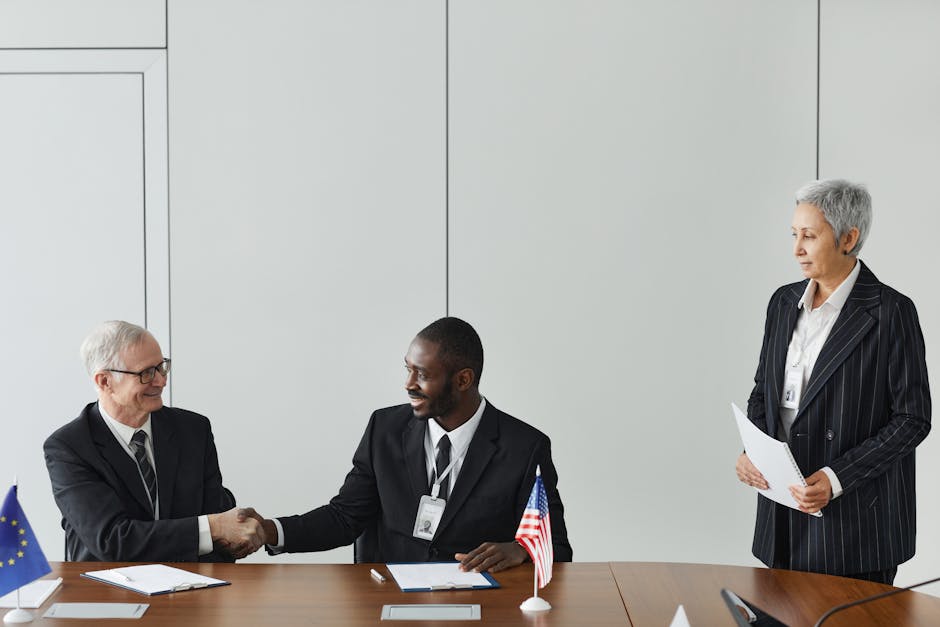
- Iran is sending a large delegation of at least 70 people to peace talks with the US in Pakistan, demonstrating its strength and solidarity.
- The talks are a critical development in the tumultuous relationship between Iran and the US, with a renewed sense of optimism for diplomacy and cooperation.
- Iran’s decision to send a large delegation underscores its determination to achieve a favorable outcome and find common ground with the US.
- The talks come amidst ongoing tensions between Iran and the US, with both sides engaging in a war of words and implementing economic sanctions.
- Pakistan’s involvement in the talks adds a new layer of complexity, with regional players playing a key role in the diplomatic efforts.
Iran is set to project a unified front in its upcoming peace talks with the United States, with a large delegation of at least 70 people scheduled to negotiate with the American side in Pakistan on Saturday. This move is seen as a strategic attempt by Tehran to demonstrate its strength and solidarity in the face of ongoing tensions with Washington. The large team will likely comprise high-ranking officials, diplomats, and experts from various fields, all working together to present a cohesive Iranian stance. With the international community watching closely, Iran’s decision to send such a substantial delegation underscores the significance of these talks and the country’s determination to achieve a favorable outcome.
Background to the Talks

The upcoming peace talks between Iran and the US are a critical development in the tumultuous relationship between the two nations. Over the past year, tensions have escalated significantly, with both sides engaging in a war of words and implementing stringent economic sanctions. However, with the changing geopolitical landscape and the involvement of regional players like Pakistan, there is a renewed sense of optimism that these talks could mark the beginning of a new era of diplomacy and cooperation. The fact that Iran is sending such a large delegation suggests that the country is taking these talks seriously and is willing to work towards finding common ground with its American counterparts. As the international community continues to grapple with the challenges of conflict and instability, the success of these talks could have far-reaching implications for regional and global security.
Key Players and Details

The Iranian delegation will be led by high-ranking officials, including diplomats and experts with extensive experience in international relations and conflict resolution. The team will also comprise representatives from various Iranian ministries, including foreign affairs, defense, and economy. On the American side, the delegation will be headed by senior officials from the State Department and the National Security Council. The talks are scheduled to take place in Pakistan, which has played a crucial role in facilitating the negotiations and providing a neutral venue for the discussions. As the two sides engage in dialogue, they will need to navigate a complex web of issues, including economic sanctions, nuclear proliferation, and regional security concerns. With so many stakeholders involved, the negotiations are likely to be challenging, but the presence of such a large and diverse Iranian delegation suggests that Tehran is committed to finding a peaceful resolution.
Analysis and Implications
The decision by Iran to send a large delegation to the peace talks is a calculated move that reflects the country’s strategic priorities and diplomatic objectives. By presenting a unified front, Iran aims to demonstrate its strength and cohesion, while also signaling its willingness to engage in constructive dialogue with the US. The talks will be closely watched by the international community, and their success or failure will have significant implications for regional stability and global security. If the negotiations are successful, they could pave the way for a new era of cooperation and diplomacy between Iran and the US, with potential benefits for trade, energy, and security. However, if the talks fail, the consequences could be severe, with the potential for further escalation and conflict. As the world waits with bated breath for the outcome of these talks, one thing is clear: the decision by Iran to send such a large delegation is a significant development that underscores the complexity and importance of these negotiations.
Regional and Global Implications
The outcome of the peace talks between Iran and the US will have far-reaching implications for the region and the world. A successful negotiation could lead to a reduction in tensions, increased economic cooperation, and improved security for the Middle East and beyond. On the other hand, a failure to reach an agreement could exacerbate existing conflicts, lead to further instability, and undermine global efforts to promote peace and security. The fact that Iran is sending such a large delegation to the talks suggests that the country is aware of the high stakes involved and is committed to finding a peaceful resolution. As the international community continues to navigate the challenges of conflict and instability, the success of these talks could provide a much-needed boost to regional and global security, while also paving the way for a new era of diplomacy and cooperation between nations.
Expert Perspectives
Experts and analysts are divided in their assessment of the upcoming peace talks, with some expressing optimism about the potential for a breakthrough, while others are more skeptical. According to some, the large Iranian delegation is a positive sign that suggests Tehran is serious about finding a peaceful resolution. Others, however, argue that the talks are unlikely to succeed, given the deep-seated differences between the two sides and the lack of trust that has built up over the years. As the world waits for the outcome of these talks, one thing is clear: the decision by Iran to send such a large delegation has added a new layer of complexity to the negotiations, and the expert community will be watching closely to see how events unfold.
As the peace talks between Iran and the US get underway, the world will be watching with great interest to see how events unfold. Will the large Iranian delegation be able to negotiate a successful agreement, or will the talks end in failure? What will be the implications of the outcome for regional and global security? These are just some of the questions that will be on everyone’s mind as the negotiations progress. One thing is certain, however: the decision by Iran to send such a large delegation to the talks has raised the stakes and underscored the importance of finding a peaceful resolution to the ongoing conflict between the two nations.