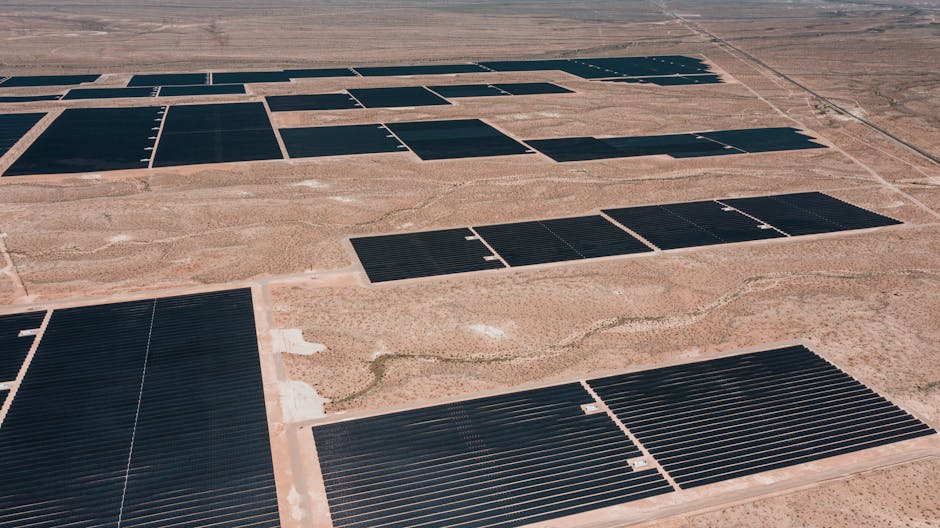
- Gaza’s makeshift university provides a vital lifeline for students seeking to pursue their educational aspirations in a war-torn territory.
- The solar-powered university has become a beacon of hope, enabling students to resume their studies and look towards a brighter future.
- The initiative has created a self-sustaining infrastructure, relying on renewable energy to power its facilities and reduce resource reliance.
- Over 50,000 students affected by the conflict have been given a chance to reclaim their right to education through this vital institution.
- The university’s resilience and determination have served as a testament to the resourcefulness of the local community in the face of adversity.
In the midst of the Gaza Strip’s devastation, a remarkable endeavor has emerged to resurrect academic studies for the region’s students. A makeshift university, powered by solar energy, has been established to provide a lifeline for young people seeking to pursue their educational aspirations. This innovative initiative has created a beacon of hope in a war-torn territory where access to education has been severely limited. The university’s solar-powered halls have become a symbol of resilience, enabling students to resume their studies and look towards a brighter future. With over 50,000 students affected by the conflict, this makeshift university has become a vital institution, offering a chance for Gaza’s youth to reclaim their right to education.
The Rise of Solar-Powered Education

The concept of a solar-powered university in Gaza may seem like an ambitious undertaking, but it is a testament to the resourcefulness and determination of the local community. In the face of overwhelming adversity, the people of Gaza have come together to create an opportunity for their children to learn and grow. The university’s solar-powered infrastructure has been designed to be self-sustaining, relying on renewable energy to power its facilities. This not only reduces the institution’s reliance on scarce resources but also provides a reliable source of energy, enabling students to focus on their studies without interruption. As the university continues to grow and expand, it is likely to become a model for other communities in the region, demonstrating the potential for innovative solutions to address the challenges posed by conflict and limited resources.
Rebuilding Education in Gaza

The makeshift university in Gaza has been made possible through the collaborative efforts of local organizations, international donors, and dedicated individuals. The initiative has brought together a diverse range of stakeholders, all united by a shared commitment to providing access to education for the region’s students. The university’s curriculum has been designed to cater to the needs of Gaza’s students, with a focus on subjects such as science, technology, engineering, and mathematics (STEM). By providing a comprehensive education, the university aims to equip its students with the skills and knowledge necessary to rebuild and develop their community. As the university continues to expand, it is likely to play an increasingly important role in promoting economic growth and social development in the region.
Overcoming Challenges and Achieving Success
Despite the numerous challenges it has faced, the makeshift university in Gaza has achieved remarkable success. The institution has attracted a talented and dedicated faculty, comprising local and international educators who are passionate about providing high-quality education. The university’s students have also demonstrated exceptional resilience and determination, with many having overcome significant obstacles to pursue their academic goals. As the university looks to the future, it is likely to face ongoing challenges, including the need to secure funding and resources. However, with the support of its stakeholders and the dedication of its students and faculty, the institution is well-placed to continue providing a vital service to the people of Gaza.
A New Era for Education in Gaza
The establishment of the makeshift university in Gaza marks a significant turning point in the region’s educational landscape. The institution has created a new era of opportunity for Gaza’s students, enabling them to access high-quality education and pursue their academic aspirations. As the university continues to grow and develop, it is likely to have a profound impact on the region, promoting social mobility, economic growth, and community development. The university’s success also serves as a powerful reminder of the importance of education in promoting peace and stability, highlighting the need for continued investment in educational initiatives in conflict-affected regions.
Expert Perspectives
According to experts in the field of education, the makeshift university in Gaza represents a beacon of hope for the region’s students. “The establishment of this university is a testament to the power of education to transform lives and communities,” said Dr. Amal Abu Shawish, a leading expert on education in conflict-affected regions. “By providing access to high-quality education, the university is empowering Gaza’s students to become active participants in the region’s reconstruction and development.” Other experts have also praised the university’s innovative approach, highlighting the potential for solar-powered education to address the challenges posed by limited resources and conflict.
As the makeshift university in Gaza looks to the future, it is clear that there are many challenges still to be overcome. However, with the support of its stakeholders and the dedication of its students and faculty, the institution is well-placed to continue providing a vital service to the people of Gaza. One key question that remains is how the university will be able to sustain itself in the long term, and what role international donors and organizations will play in supporting its development. As the university navigates these challenges, it is likely to remain a powerful symbol of the importance of education in promoting peace, stability, and prosperity in conflict-affected regions.