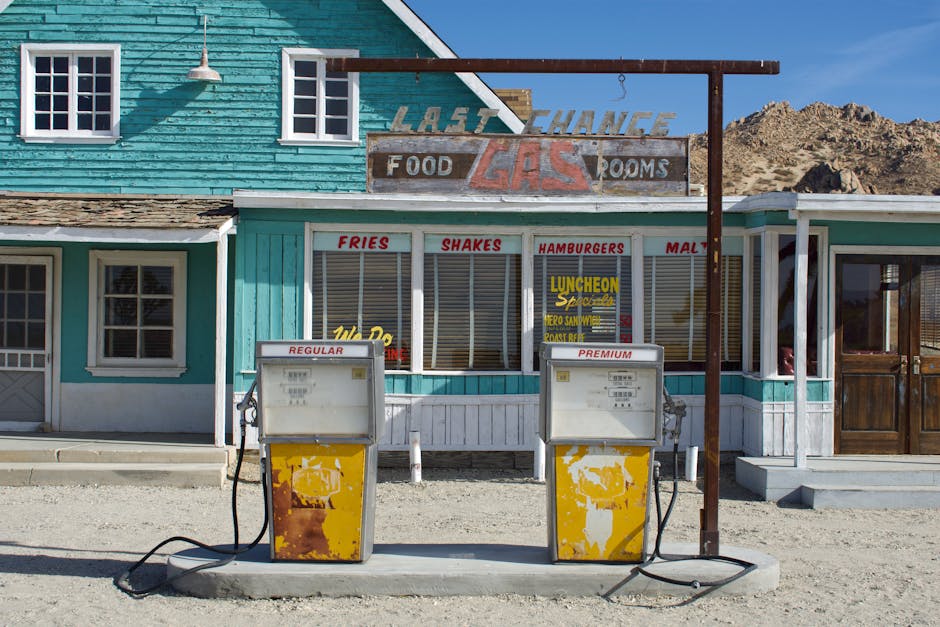
- Native American reservations are exempt from state gas taxes, allowing tribally owned gas stations to offer lower fuel prices.
- Tribal gas stations can pass the savings on to customers, making their fuel prices significantly lower than those found off the reservation.
- The tax exemption advantage attracts price-conscious drivers to fill up their tanks without breaking the bank.
- Tribes can also exempt themselves from federal excise taxes on fuel, further reducing the cost of gas for drivers.
- This unique tax status has created a lucrative business opportunity for tribes, who can attract customers from surrounding areas.
As fuel prices continue to fluctuate, many drivers are on the lookout for ways to save on gas. One unexpected place to find cheap fuel is on Native American reservations, where tribes are exempt from state gas taxes. This exemption has led to a proliferation of tribally owned convenience stores with gas stations, with almost 500 locations across the US offering some of the lowest fuel prices in the country. For example, a gallon of gas on the Navajo Nation reservation in Arizona can be as much as 30 cents cheaper than in nearby cities. This price difference has made these reservations a haven for price-conscious drivers looking to fill up their tanks without breaking the bank.
The Tax Exemption Advantage

The reason why Native American reservations can offer such cheap fuel is due to their exemption from state gas taxes. As sovereign nations, Native American tribes are not required to pay state taxes on fuel sold on their reservations. This exemption allows tribally owned gas stations to pass the savings on to customers, making their fuel prices significantly lower than those found off the reservation. Additionally, many tribes have also exempted themselves from federal excise taxes on fuel, further reducing the cost of gas for drivers. This unique tax status has created a lucrative business opportunity for tribes, who can attract customers from surrounding areas with their low fuel prices.
Tribal-Owned Gas Stations on the Rise

The number of tribally owned gas stations has been increasing in recent years, with many tribes investing in convenience stores and fueling stations as a way to diversify their economies. These businesses not only provide a source of revenue for the tribe but also create jobs and stimulate local economic growth. Many of these gas stations are strategically located near highways and interstates, making them convenient stops for drivers on long road trips. Some tribes have even partnered with major fuel brands to offer a range of services, including food, beverages, and lodging, making their gas stations a one-stop shop for travelers. As the demand for cheap fuel continues to grow, it is likely that the number of tribally owned gas stations will continue to rise.
Analysis of the Fuel Price Disparity
The significant price difference between fuel sold on Native American reservations and that sold off the reservation has sparked debate about the fairness of the tax exemption. While tribes argue that the exemption is necessary to support their economic development, some state officials claim that it gives them an unfair advantage over non-tribal gas stations. However, data suggests that the tax exemption has a positive impact on the local economy, with many drivers stopping to fill up on gas also spending money at nearby tribal-owned businesses, such as restaurants and souvenir shops. Furthermore, the low fuel prices have also made it possible for some low-income families to save money on gas, which can be a significant expense for households on a tight budget. As the US continues to grapple with issues of economic inequality, the tax exemption for Native American tribes may be seen as a rare success story.
Implications for Drivers and the Economy
The availability of cheap fuel on Native American reservations has significant implications for drivers and the economy as a whole. For drivers, the lower fuel prices can result in significant savings, particularly for those who drive long distances for work or leisure. Additionally, the increased competition from tribally owned gas stations may also put pressure on non-tribal gas stations to lower their prices, which could have a positive impact on the economy. However, some have raised concerns that the tax exemption could lead to a loss of revenue for state governments, which could have negative consequences for public services and infrastructure. As the demand for cheap fuel continues to grow, it is likely that the debate over the fairness of the tax exemption will continue.
Expert Perspectives
Experts have differing opinions on the impact of the tax exemption for Native American tribes. Some argue that it is a vital tool for economic development, allowing tribes to invest in businesses and create jobs. Others claim that it creates an unfair advantage over non-tribal businesses and could lead to a loss of revenue for state governments. According to Dr. Gavin Clarkson, a professor of finance at New Mexico State University, “the tax exemption is a necessary step towards economic self-sufficiency for Native American tribes. It allows them to compete on a level playing field with non-tribal businesses and creates opportunities for economic growth and development.” However, some state officials have expressed concerns that the exemption could lead to a loss of revenue and have called for reforms to ensure that tribes are contributing to the state tax base.
As the US continues to navigate the complex issues surrounding fuel prices and taxation, it is likely that the debate over the tax exemption for Native American tribes will continue. One thing is certain, however: the availability of cheap fuel on Native American reservations will remain a popular option for price-conscious drivers. As the demand for affordable fuel continues to grow, it will be interesting to see how the tax exemption affects the economy and whether it will lead to changes in the way fuel is taxed and sold in the US. Will the tax exemption remain in place, or will reforms be implemented to ensure that tribes are contributing to the state tax base? Only time will tell, but for now, drivers can continue to enjoy the savings offered by tribally owned gas stations.