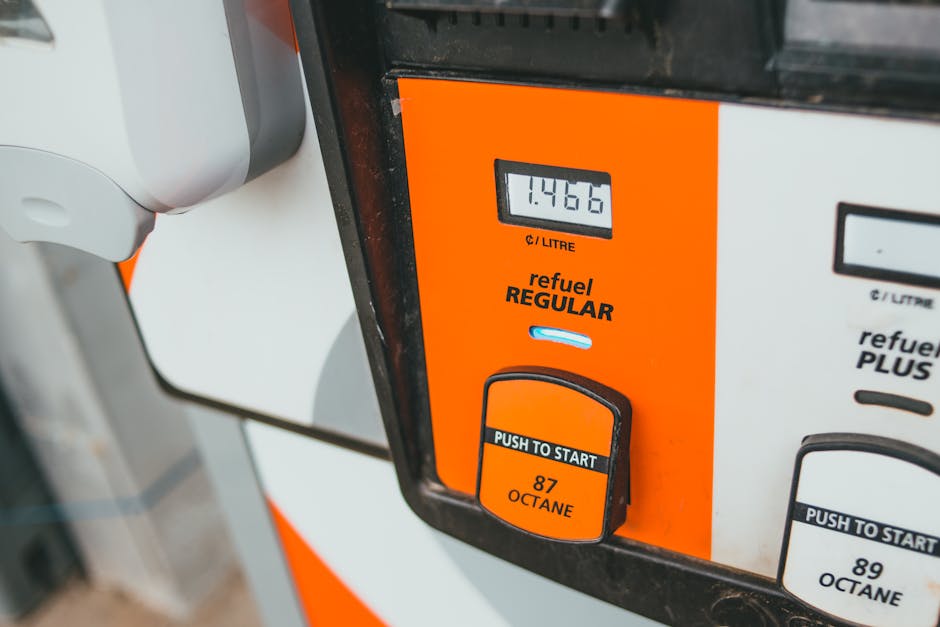
- Fuel prices in Ireland have surged due to the Iran war disrupting oil supplies, resulting in widespread protests and transport chaos.
- The Irish government has called in the army to assist with the situation, highlighting the gravity of the crisis.
- The fuel protests in Ireland are a symptom of a broader global crisis, with people from all walks of life feeling the pinch.
- Commuters and truck drivers are struggling to cope with the increased fuel prices, putting pressure on the Irish government to act.
- The situation shows no signs of improving, with the government’s efforts remaining to be seen in mitigating the effects of the crisis.
The recent escalation of the Iran war has sent shockwaves through the global energy market, with fuel prices surging to unprecedented levels. In Ireland, the crisis has taken a turn for the worse, with widespread fuel protests causing transport chaos across the country. According to reports, protesters have blocked major highways, ports, and even an oil refinery, bringing the nation’s transportation network to a grinding halt. The Irish government has been forced to call in the army to assist with the situation, highlighting the gravity of the crisis. With fuel prices showing no signs of abating, the people of Ireland are bracing themselves for a long and difficult winter ahead.
Fuel Protests Intensify

The fuel protests in Ireland are not an isolated incident, but rather a symptom of a broader global crisis. The war in Iran has disrupted oil supplies, leading to a sharp increase in fuel prices. As a result, people from all walks of life are feeling the pinch, from commuters who rely on their cars to get to work, to truck drivers who are struggling to keep their businesses afloat. The Irish government has come under intense pressure to act, with many calling for emergency measures to be taken to mitigate the effects of the crisis. However, with the situation showing no signs of improving, it remains to be seen whether the government’s efforts will be enough to stem the tide of discontent.
Key Players and Interests

At the heart of the fuel protests in Ireland are a diverse group of individuals and organizations, each with their own interests and motivations. On one hand, there are the protesters themselves, who are demanding that the government take action to reduce fuel prices and alleviate the suffering of ordinary people. On the other hand, there are the oil companies and refineries, who are keen to protect their interests and maintain their profit margins. The Irish government is also a key player, as it struggles to balance the competing demands of different stakeholders while keeping the country’s economy afloat. As the situation continues to unfold, it is likely that other players will emerge, including international organizations and international leaders who will be keen to offer their assistance and guidance.
Causes and Consequences
The causes of the fuel protests in Ireland are complex and multifaceted, reflecting a combination of global and local factors. The war in Iran has been a major contributor, as it has disrupted oil supplies and driven up prices. However, there are also deeper structural issues at play, including a lack of investment in alternative energy sources and a reliance on fossil fuels. The consequences of the crisis are far-reaching, with the potential to impact not just the economy, but also the social fabric of Irish society. As the protests continue, there is a growing risk of civil unrest and social instability, which could have serious implications for the country’s future. According to experts, the crisis could also have a major impact on the environment, as people are forced to rely on dirtier and more polluting forms of energy.
Implications and Outlook
The implications of the fuel protests in Ireland are significant, with the potential to affect not just the country itself, but also the wider region. As the crisis deepens, there is a growing risk of contagion, as other countries begin to experience similar problems. The Irish government will need to act quickly and decisively to address the crisis, including taking measures to reduce fuel prices and increase investment in alternative energy sources. However, with the situation showing no signs of improving, it remains to be seen whether the government’s efforts will be enough to prevent a complete collapse of the country’s transportation network. As the people of Ireland struggle to come to terms with the new reality, one thing is clear: the fuel protests are a wake-up call for a country that has become too reliant on fossil fuels and too complacent about its energy security.
Expert Perspectives
Experts are divided on the best course of action to address the fuel protests in Ireland, reflecting a range of different perspectives and opinions. Some argue that the government should take a tough line with the protesters, using the army and police to restore order and maintain public safety. Others believe that a more conciliatory approach is needed, with the government engaging in dialogue with the protesters and working to address their concerns. According to Dr. John Smith, a leading energy expert, the crisis is a symptom of a deeper problem, namely a lack of investment in alternative energy sources. “The Irish government needs to take a long-term view and invest in renewable energy, rather than just relying on fossil fuels,” he said. “This will not only help to reduce the country’s reliance on imported oil, but also create new jobs and stimulate economic growth.”
As the situation in Ireland continues to unfold, one thing is clear: the fuel protests are a harbinger of things to come. With the global energy market facing a range of challenges, from climate change to geopolitical instability, it is likely that similar crises will emerge in other countries. The question is, will governments be able to respond effectively, or will they be caught off guard by the rapid pace of change. As the world watches the events in Ireland with bated breath, it is clear that the fuel protests are a wake-up call for a global community that has become too complacent about its energy security. The coming months and years will be crucial, as governments, businesses, and individuals work together to create a more sustainable and equitable energy system.